





























































































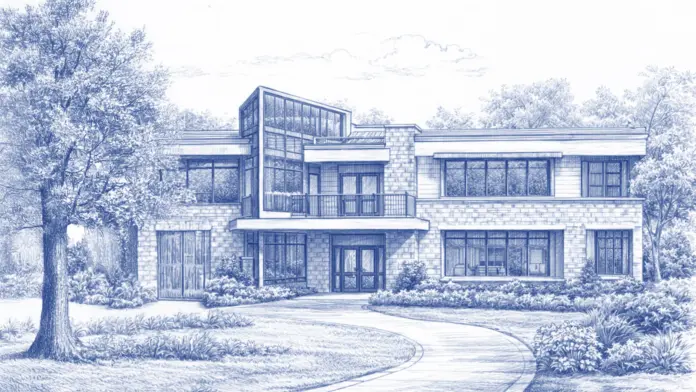
About Rize OC

Rehab Score
 Our Methodology


Location
Accepted Insurance
Other Forms of Payment
Private insurance refers to any kind of healthcare coverage that isn't from the state or federal government. This includes individual and family plans offered by an employer or purchased from the Insurance Marketplace. Every plan will have different requirements and out of pocket costs so be sure to get the full details before you start treatment.
Self-pay involves paying for treatment out of your own pocket. You can use savings or credit, get a personal loan, or receive help from family and friends to fund your treatment. If you don't have insurance or your insurance plan doesn't cover a specific program, self-pay can help ensure you still get the care you need.
Addiction Treatments
Levels of Care
When addicted, quitting your drug of choice suddenly can be dangerous. That's why experts agree a medically assisted detox is the safest way to remove addictive substances from the body. Usually done in an inpatient setting, your vitals signs and overall well being are consistently monitored and rechecked in order to keep you safe and ensure the detox is successful.
Commonly known as "day treatment," a partial hospitalization program (PHP) is an intensive form of outpatient treatment where clients meet during the day and return home in the evening. PHP treatment doesn't require 24-hour care and often serves as an alternative to inpatient hospitalization or a step-down after a residential program. With PHP treatment, you can receive daily support for 6 to 8 hours which includes evidence-based therapies and medication management. The cost of PHP treatment typically varies but averages 90 days.
Intensive outpatient programs (IOP) support a client's sustained sobriety as they exit detox or step down from an inpatient program. IOPs are also designed for clients who are at an elevated risk of relapse. Intensive outpatient treatment typically requires clients to engage in a minimum of nine hours of therapy per week, but clients may receive up to 20 therapeutic hours weekly. IOP treatment modalities often combine psychotherapy, recovery-focused life skills training, and medication assisted treatment (MAT).
Clients receiving treatment at an outpatient rehab typically do not require hospitalization or intensive supervision and support. Outpatient addiction counseling and recovery education are often offered during the morning, evening, night, and weekend, allowing clients to tailor treatment to their own schedule. Partial hospitalization (PHP) and intensive outpatient (IOP) programs are the most time-intensive and are designed for clients who are at an increased relapse risk and/or who need more robust therapeutic support.
Using telehealth options in California allows you to share health information with your provider via phone call, video chat, or healthcare apps. You can meet with them virtually as well as submit health information online so they can track your progress without having to meet with them in person.
Treatments
Alcoholism, or alcohol use disorder (AUD), is defined by alcohol dependence. This is a state the body reaches when it experiences withdrawal symptoms in the absence of alcohol. A person who has AUD craves alcohol and continues to drink despite adverse consequences. Because withdrawing from alcohol can pose health risks, individuals with AUD should seek professional alcohol rehab in California to overcome their alcohol addiction. This process typically involves medical detox, rehabilitation, and maintenance.
Drug rehab in California teaches participants constructive ways to stay clean and sober. Treatment revolves around helping individuals stop using the substance they are addicted to and learn healthy habits to avoid relapse.
 Opioid Addiction
In California, substance abuse treatment programs can help individuals with any type of substance use disorders and co-occurring conditions. These rehab programs typically encompass various levels of care, including medically assisted detox, intensive outpatient, outpatient, residential rehab, and partial hospitalization. You can expect clinicians to utilize evidence-based therapies like cognitive behavioral therapy (CBT), dialectical behavioral therapy (DBT), and mindfulness to help you achieve and sustain your recovery. The rehab's clinical team can provide a comprehensive assessment to determine the appropriate level of care and medical support you may need.
California's mental health and substance abuse rehabs provide dual-diagnosis treatment options for individuals looking to address co-occurring disorders. These programs are usually offered on either an inpatient or outpatient basis. You can usually expect a mental health assessment and personalized treatment plan, evidence-based therapies, like cognitive-behavioral therapy (CBT), experiential therapies like equine therapy, skills groups, and counseling to simultaneously address both mental health and substance abuse and drastically increase your chances of long-term sobriety.
In California, dual-diagnosis addiction treatment programs offer comprehensive care for individuals with co-occurring mental health and substance use disorders. Programs include medically assisted detox, intensive outpatient, outpatient, residential rehab, and partial hospitalization. Using an evidence-based approach, clinicians utilize therapies like cognitive behavioral therapy, or dialectical behavioral therapy and mindfulness to address substance use disorders and co-occurring mental health challenges. Additional services include 12-Step recovery, group therapy, family counseling, and relapse prevention to promote sustained recovery.
Programs
Adult rehab programs include therapies tailored to each client's specific needs, goals, and recovery progress. They are tailored to the specific challenges adult clients may face, including family and work pressures and commitments. From inpatient and residential treatment to various levels of outpatient services, there are many options available. Some facilities also help adults work through co-occurring conditions, like anxiety, that can accompany addiction.
Clinical Services
Cognitive behavioral therapy in California is a method that therapists often use for the effective treatment of substance use disorders. It is based on the principle that substance abuse stems from unhelpful ways of thinking and patterns of behavior, which can be changed by helping the individual learn better ways of coping.
While participating in dialectical behavior therapy in California, you'll focus on four key areas of skill development: mindfulness, interpersonal effectiveness, emotion regulation, and distress tolerance. Treatment includes weekly individual and group sessions.
The use of experiential therapy can be helpful for the treatment of behavioral disorders, including drug and alcohol addiction. This method teaches you how to release negative emotions and cope with pain from the past. Activities such as art, music, and animal care are used to facilitate this process.
 Eye Movement Desensitization And Reprocessing
Family therapy offers a platform for members to have an open dialogue about the challenges that addiction has placed on the family unit. Through guided sessions, therapists can help families develop healthy communication skills and address unresolved issues. By working together toward a common goal, they help to support their loved one's sobriety.
During group therapy, men and women learn to express their emotions openly in a non judgmental setting. This helps you process your feelings and reduces feelings of social isolation that are often associated with addiction.
Individual therapy for drug addiction includes a customized treatment plan that considers your history and life circumstances. During your therapy sessions, the therapist helps you uncover underlying issues and triggers for addictive behavior that support a holistic approach to recovery.
While in rehab treatment, you may work on developing various life skills to help you in long term recovery. These may include resilience, interpersonal skills, and self awareness. The focus will be on developing healthy habits for self care and relationships so you have the skills you need to manage day to day life.
For clients who are struggling with ambivalence toward change, motivational interviewing in California can help strengthen their commitment to change. Using a conversational method, the therapist helps you explore your motivations and empowers you to make the changes you desire.
Substances can prevent the absorption of nutrients and cause damage to your body's systems. Nutrition therapy in California addresses the deficiencies in vitamins and minerals that are caused by substance abuse.
Recreational therapy is included in alcohol and drug addiction treatment to focus on engaging you in healthy activities that reduce your cravings and improve your overall health and well being. When you participate in group sports, art, or nature walks, you develop new interests and find a meaningful way to spend your time and reduce your cravings.
Trauma therapy is a structured approach used by therapists to help you heal from a past traumatic event. Your therapist works with you to identify the traumatic memory and process the information so you experience emotional healing and a sense of safety and stability.
Amenities
-
 Meditation Room
 -
 Private Rooms
 -
 Private Setting
 -
 WiFi
WiFi -
 Yoga Studio
Accreditations

The Joint Commission, formerly known as JCAHO, is a nonprofit organization that accredits rehab organizations and programs. Founded in 1951, the Joint Commision's mission is to improve the quality of patient care and demonstrating the quality of patient care.
Joint Commission Accreditation: Yes

LegitScript has reviewed Rize OC as part of their certification program, and has determined that it meets the LegitScript standards for legality, safety and transparency.
LegitScript verified in

State Licenses are permits issued by government agencies that allow rehab organizations to conduct business legally within a certain geographical area. Typically, the kind of program a rehab facility offers, along with its physical location, determines which licenses are required to operate legally.
State License: California
Rehab.com regularly reviews this listing for accuracy but changes may occur between updates. For the most up-to-date information, please contact Rize OC.
Contact Information


22792 Centre Dr Ste 104
Lake Forest, CA 92630
Sponsored Helpline
