





























































































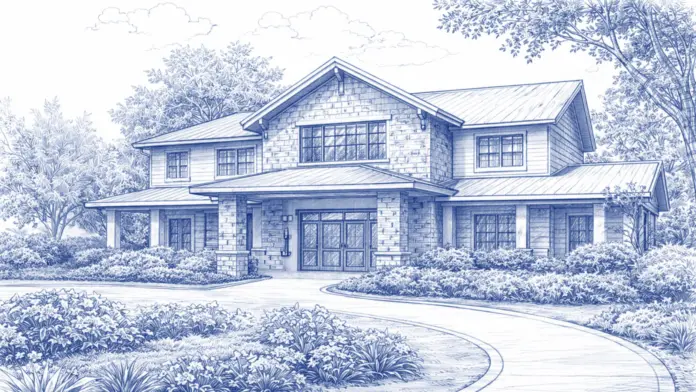
About Skywood Recovery Lansing
Skywood Outpatient Lansing is an outpatient addiction treatment center and rehab in Lansing Michigan.
We specialize in treating the unique needs of adults struggling with co-occurring addiction and mental health disorders both in-person and virtually. Available services include supportive and effective therapy for trauma, grief, anger management, and co-occurring mood disorders. Services are available in-person and vial telehealth.
Foundations Recovery Network
Skywood Outpatient Lansing is a member of Foundations Recovery Network, the premier provider of integrated treatment for co-occurring addiction and mental health concerns, offering residential and outpatient services nationwide.
We have Locations in California, Arizona, Minnesota and Michigan. At each facility, we focus on patient-centered care and an individualized approach, upholding a high standard of innovative treatment and compassionate attention to each patient’s needs. We are committed to providing evidence-based treatment for individuals with co-occurring disorders through clinical services, education and research. Our purpose is to create lifetime relationships for long-term recovery.
Everything we do is designed to support recovery in a comprehensive way, addressing the needs of the whole person-physically, emotionally, mentally and spiritually. We provide the foundation, you build the life.

Rehab Score
 Our Methodology


Location
Accepted Insurance
Other Forms of Payment
Military members, veterans, and eligible dependents have access to specific insurance programs that help them get the care they need. TRICARE and VA insurance can help you access low cost or no cost addiction and mental health treatment. Programs that accept military insurance often have targeted treatment focused on the unique challenges military members, veterans, and their families face.
Private insurance refers to any kind of healthcare coverage that isn't from the state or federal government. This includes individual and family plans offered by an employer or purchased from the Insurance Marketplace. Every plan will have different requirements and out of pocket costs so be sure to get the full details before you start treatment.
Self-pay involves paying for treatment out of your own pocket. You can use savings or credit, get a personal loan, or receive help from family and friends to fund your treatment. If you don't have insurance or your insurance plan doesn't cover a specific program, self-pay can help ensure you still get the care you need.
Addiction Treatments
Levels of Care
Clients receiving care at an outpatient rehab remain in their own homes and attend treatment as often as daily, depending on the level of need. Outpatient care generally consists of psychotherapy, addiction education, life skills training, and community reintegration support. Many outpatient treatment centers provide step-down care, including partial hospitalization (PHP), intensive outpatient (IOP), sober living, and standard outpatient services. Some outpatient rehabs also offer ambulatory medical detox and medication assisted treatment (MAT).
Treatments
Alcoholism is characterized by the excessive or compulsive use of alcohol, which does not stop despite negative consequences. This compulsive use leads to psychological and physical dependence. To break this dependence, alcohol rehab in Michigan is necessary. Treatment is available from a range of services, including residential programs, outpatient treatment, AA, medical detox, and evidence-based counseling. Support systems are also a crucial part of long-term recovery.
Drug rehab in Michigan provides personalized treatment to help individuals break this cycle and regain control of their lives. Treatment methods are used in various levels of care, including inpatient rehab, partial hospitalization programs, intensive outpatient programs, and standard outpatient treatment.
 Opioid Addiction
Michigan's dual-diagnosis addiction treatment programs provide specialized treatment for individuals with co-occurring substance use disorders and mental health conditions. Levels of care include outpatient, inpatient, and partial hospitalization options. Using a combination of evidence-based therapies, trauma-informed care, group therapy, and psychoeducation, clinicians can help you address the underlying cause of your addiction, treat both disorders, and promote overall mental health and well-being. You'll also develop a support network and enhance your coping skills.
Clinical Services
Cognitive behavioral therapy in Michigan helps participants view challenges more clearly so they can respond to them in healthy ways. During a limited number of structured sessions, clients learn about and practice these changes to effectively address substance use and mental health disorders.
Addiction often involves intense situations and emotions. Dialectical behavior therapy helps you understand and regulate your emotions and better manage the situations that evoke those feelings. You'll receive mindfulness training and stress management training to cope more effectively with difficult emotions.
Group therapy sessions in Michigan allow you to share responsibility with your peers in a group setting. This fosters a collective commitment to achieve sobriety and learn coping skills that are essential to improving your relationships and reducing your stress levels.
Personalized therapy sessions for drug addiction emphasize understanding your background and behavioral triggers for substance use. Your therapist will collaborate with you to create an effective coping strategy and address underlying issues that clear the way for lasting change.
During motivational interviewing, therapists express empathy, support self efficacy, and develop discrepancies. By using these techniques, therapists help clients reflect on their desires for change and understand why and how they should move forward with those changes.
During trauma therapy in Michigan, you are guided through traumatic memories within a safe and supportive environment. Your therapist then provides you with tools to process traumatic events and reduce the symptoms that occur when you're exposed to a trigger. This improves your overall mental health and ability to function in the community.
Accreditations

The Joint Commission, formerly known as JCAHO, is a nonprofit organization that accredits rehab organizations and programs. Founded in 1951, the Joint Commision's mission is to improve the quality of patient care and demonstrating the quality of patient care.
Joint Commission Accreditation: Yes
Rehab.com regularly reviews this listing for accuracy but changes may occur between updates. For the most up-to-date information, please contact Skywood Recovery Lansing.
Contact Information


3645 East Jolly Road
Suite B
Lansing, MI 48910
Sponsored Helpline
