






























































































I’m a Godmother at SPA. Jennifer is the third person to live in my home from SPA. She really wants to give back her experience with SPA. She is helpful with my home, family and friends. Jennifer has been hired to work has an evening home coordinator at SPA. She strives in ...
About SPA Women’s Ministry Homes
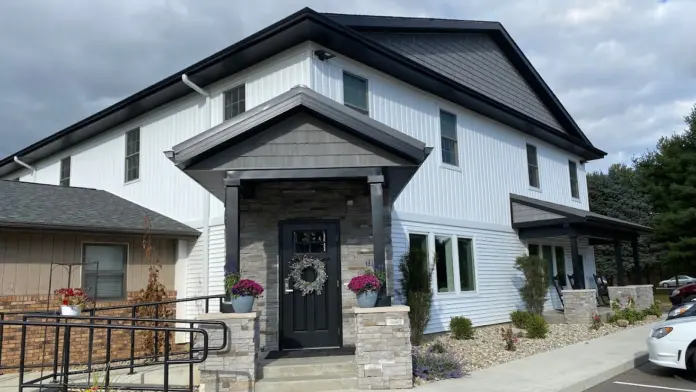
SPA Women’s Ministry Homes provides faith-based recovery in Elkhart, Indiana to help women overcome addiction and life-controlling issues through Christian discipleship and structured support. The program provides whole-person care in a home setting where women can rebuild their lives with accountability, mentorship and practical life skills. SPA Women’s Ministry Homes emphasizes spiritual healing, community support and preparation for independent living and family reintegration.
Structured Programming
Women enter a residential recovery program designed to provide safety, structure and freedom from substances in a supportive home environment. The program is long-term to allow participants time to heal spiritually, emotionally and physically while developing new routines and healthy habits that support lasting sobriety.
The longer time frame provides the space for women to focus on their recovery path without feeling rushed.
Gaining Life Skills
Program components include recovery and discipleship classes, individual counseling and coaching, life skills training, education and employment preparation, community service and accountability through mentoring. Women are expected to remain drug and alcohol free, participate actively in all program activities and follow household guidelines as they work toward returning to their families and communities as healthy, productive individuals.
Latest Reviews
If a woman has physical. mental, and spiritual problems this is a heaven sent place for your hurts to be healed.
Response from the owner1 week ago
Thank you for saying so! We are blessed to be able to walk alongside those hurting in our community.
I have personally watched SPA transition from being run almost solely by one amazing founder to a team of leaders who are literally partnering with God in changing generations. If you're thinking about going or encouraging your loved one to go, DO IT. Stick with it. I've seen many lives changed.
Response from the owner1 week ago
Marketo, thank you for the beautiful words. To God be the glory as He uses the SPA staff to help these ladies transform their lives. And yes Sandra (the founder) is an amazing spirit driven woman of God.
SPA Women’s Ministry is truly amazing. A place you feel Gods presence and love!! A place you truly come as you are but will leave changed!! A place you face reality and truth; but with gentleness and compassion! You walk in welcomed and walk out transformed and feeling Jesus’s tangible love for you.
I volunteer once a month for a fun night and I truly am blessed beyond measure!! (Probably more than I can give). I go with the intention to give and to encourage and I leave more encouraged!! It’s an anointed place and I pray the Lord continues to move and transform through this ministry!
I am truly grateful to be a part of this ministry and beyond grateful to see how God works in the lives of the ladies that make the brave step of walking through the doors to make a change! May God get the glory forever!
Response from the owner1 week ago
Thank you Gessica for your kind words. And yes to God be the glory for the great things He is doing at SPA Women's Ministries! 
Rehab Score
 Our Methodology
Scoring is assigned by a proprietary system which helps surface key metrics that determine quality. The 10-point scale factors in categories such as operations, customer satisfaction, and trust metrics. Read Full Methodology

6.5 / 10
Gallery
Other Forms of Payment
Self-pay involves paying for treatment out of your own pocket. You can use savings or credit, get a personal loan, or receive help from family and friends to fund your treatment. If you don't have insurance or your insurance plan doesn't cover a specific program, self-pay can help ensure you still get the care you need.
Medicare is a federal program that provides health insurance for those 65 and older. It also serves people under 65 with chronic and disabling health challenges. To use Medicare for addiction treatment you need to find a program that accepts Medicare and is in network with your plan. Out of pocket costs and preauthorization requirements vary, so always check with your provider.
Medicaid is a state based program that helps lower-income individuals and families pay for healthcare. Medicaid covers addiction treatment so those enrolled can use their coverage to pay for rehab. When a program accepts Medicaid the client often pays very little or nothing out of their own pocket.
Addiction Treatments
Levels of Care
Residential treatment programs are those that offer housing and meals in addition to substance abuse treatment. Rehab facilities that offer residential treatment allow patients to focus solely on recovery, in an environment totally separate from their lives. Some rehab centers specialize in short-term residential treatment (a few days to a week or two), while others solely provide treatment on a long-term basis (several weeks to months). Some offer both, and tailor treatment to the patient's individual requirements.
When removing addictive substances from your body under the care of licensed medical professionals, the process is called medically assisted detox. Once you've become physically dependent on substances like alcohol, opioids, or benzodiazepines, quitting can be uncomfortable or even dangerous. To minimize risks to your health and overall discomfort, a team of medical professionals monitors you 24/7 and provides medications if necessary (like Suboxone or methadone) to ease potential symptoms of withdrawal.
Treatments
The goal of treatment for alcoholism is abstinence. Those with poor social support, poor motivation, or psychiatric disorders tend to relapse within a few years of treatment. For these people, success is measured by longer periods of abstinence, reduced use of alcohol, better health, and improved social functioning. Recovery and Maintenance are usually based on 12 step programs and AA meetings.
For long-term recovery from drug addiction, drug rehab in Indiana is often key. This treatment gives individuals who are struggling with a substance use disorder the tools to manage their disorder and achieve long-term sobriety.
A combined mental health and substance abuse rehab has the staff and resources available to handle individuals with both mental health and substance abuse issues. It can be challenging to determine where a specific symptom stems from (a mental health issue or an issue related to substance abuse), so mental health and substance abuse professionals are helpful in detangling symptoms and keeping treatment on track.
Opioid rehabs specialize in supporting those recovering from opioid addiction. They treat those suffering from addiction to illegal opioids like heroin, as well as prescription drugs like oxycodone. These centers typically combine both physical as well as mental and emotional support to help stop addiction. Physical support often includes medical detox and subsequent medical support (including medication), and mental support includes in-depth therapy to address the underlying causes of addiction.
Programs
Adult rehab programs include therapies tailored to each client's specific needs, goals, and recovery progress. They are tailored to the specific challenges adult clients may face, including family and work pressures and commitments. From inpatient and residential treatment to various levels of outpatient services, there are many options available. Some facilities also help adults work through co-occurring conditions, like anxiety, that can accompany addiction.
Young adulthood can be an exciting, yet difficult, time of transition. Individuals in their late teens to mid-20s face unique stressors related to school, jobs, families, and social circles, which can lead to a rise in substance use. Rehab centers with dedicated young adult programs will include activities and amenities that cater to this age group, with an emphasis on specialized counseling, peer socialization, and ongoing aftercare.
Rehabs for women provide a safe, nurturing space for female clients to heal. These treatment programs consider the specific obstacles that women can face during recovery and place a special emphasis on mental, social, physical, and reproductive health. They explore how each woman's experience has shaped the trajectory of their substance use, addressing issues such as sexual abuse and past trauma.
Clinical Services
Fitness therapy blends exercise with psychotherapy for a fun, inspiring, and effective way of treating addiction and other issues. By incorporating movement into counseling sessions, clients become more empowered, motivated, and goal-oriented, all while strengthening their bodies and becoming more flexible. Fitness Therapy is usually used to complement a course of treatment (inpatient or outpatient) to make it even more successful. Increasing the connection between a patient’s mind and body helps both with healing as well as in creating new, healthy habits.
Group therapy is any therapeutic work that happens in a group (not one-on-one). There are a number of different group therapy modalities, including support groups, experiential therapy, psycho-education, and more. Group therapy involves treatment as well as processing interaction between group members.
In individual therapy, a patient meets one-on-one with a trained psychologist or counselor. Therapy is a pivotal part of effective substance abuse treatment, as it often covers root causes of addiction, including challenges faced by the patient in their social, family, and work/school life.
Life skills trainings involve all the skills a person must have in order to function successfully in the world. These include time management, career guidance, money management, and effective communication. Truly successful addiction recovery is based on the ability to not only live substance-free, but to thrive. Life skills teaches the practical necessities of functioning in society, which sets clients up for success in life, and therefore sobriety.
Staff
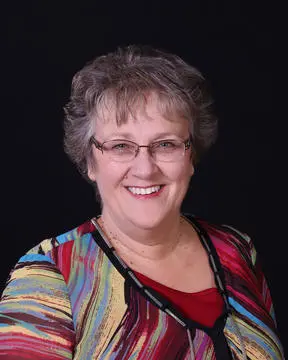
Sandra Bontrager
Founder & Ordained Pastor
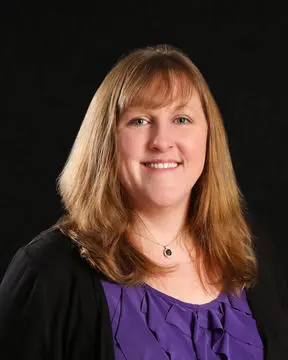
Carrie Zickefoose, MSW
Executive Director
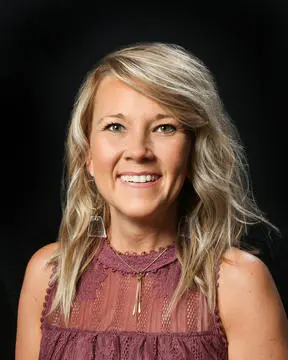
Rachel Campbell
Operations Director
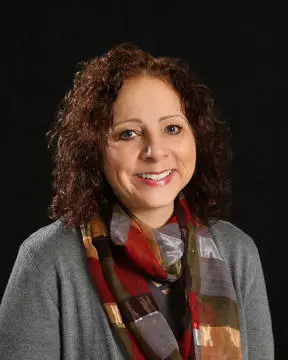
Patricia Dilts
Board Chair
Rehab.com regularly reviews this listing for accuracy but changes may occur between updates. For the most up-to-date information, please contact SPA Women’s Ministry Homes.
Contact Information

3404 Toledo Rd
Elkhart, IN 46516
Get Help Now - 574-301-4763
Sponsored Helpline
Sponsored Helpline

