




























































































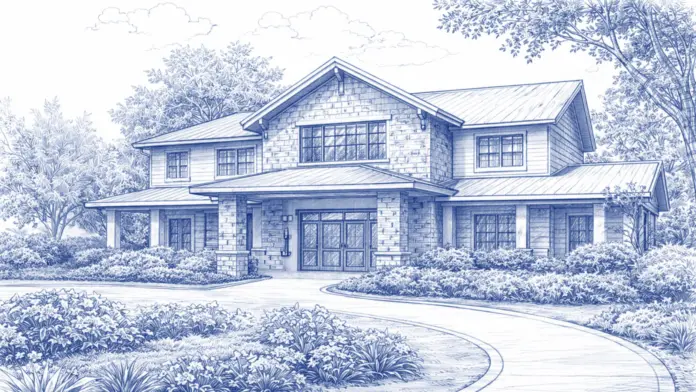
About Steps Recovery Center (Murray) Outpatient Rehab
The services in this program include cognitive behavioral therapy (CBT) and holistic approaches. The program is designed to heal various issues that contribute to addiction, such as anger and anxiety.
The schedule for a patient will involve individual and group sessions coupled with holistic treatments. One thing I admire about this facility is that it allows patients to choose whether to do individual or group therapy or both. With each day of treatment, the facility aims for clients to learn new techniques that they can apply to their continued recovery. Staff members will help individuals come up with a plan that involves making healthy lifestyle choices and implementing relapse prevention strategies.
Cognitive behavioral therapy and dialectical behavioral therapy are the primary therapeutic approaches counselors will use to treat patients. The holistic therapeutic approaches that will be used in addition to these treatments are yoga, meditation and fitness activities. Each of these activities can benefit a client’s recovery by reducing stress, creating emotional balance and improving mood. After completion of the program, patients can connect with the alumni program to continue receiving ongoing support that can help them maintain their sobriety.
Latest Reviews



Rehab Score
 Our Methodology


Gallery
Accepted Insurance

Other Forms of Payment
Private insurance refers to any kind of healthcare coverage that isn't from the state or federal government. This includes individual and family plans offered by an employer or purchased from the Insurance Marketplace. Every plan will have different requirements and out of pocket costs so be sure to get the full details before you start treatment.
Self-pay involves paying for treatment out of your own pocket. You can use savings or credit, get a personal loan, or receive help from family and friends to fund your treatment. If you don't have insurance or your insurance plan doesn't cover a specific program, self-pay can help ensure you still get the care you need.
Military members, veterans, and eligible dependents have access to specific insurance programs that help them get the care they need. TRICARE and VA insurance can help you access low cost or no cost addiction and mental health treatment. Programs that accept military insurance often have targeted treatment focused on the unique challenges military members, veterans, and their families face.
Medicaid is a state based program that helps lower-income individuals and families pay for healthcare. Medicaid covers addiction treatment so those enrolled can use their coverage to pay for rehab. When a program accepts Medicaid the client often pays very little or nothing out of their own pocket.
Addiction Treatments
Levels of Care
Outpatient rehab programs enable clients to integrate addiction treatment with their routine work and home life. Many facilities offer virtual services and evening, night, and weekend sessions to accommodate clients' schedules. Outpatient care typically includes rigorous psychotherapy, including group and family counseling. Most programs also prioritize addiction education and recovery-focused life skills training. Medication assisted treatment (MAT) is common for clients with alcohol and/or opioid dependency.
Intensive Outpatient Programs (IOP) are for those who want or need a very structured treatment program but who also wish to live at home and continue with certain responsibilities (such as work or school). IOP substance abuse treatment programs vary in duration and intensity, and certain outpatient rehab centers will offer individualized treatment programs.
Clients receiving services in a rehab aftercare program have generally been stable and sober for a period of weeks and months and no longer require high intensity treatment. Many have stepped down from inpatient rehab to outpatient treatment. Others have been discharged from formal treatment but need support in maintaining their sobriety. Clients typically work with their case manager and care team to develop a long-term care plan that aligns with their unique needs and goals.
Participants in 12 step programs engage in rigorous group counseling, peer coaching, and personal development. Though 12 step recovery is rooted in spiritual principles, religious affiliation is not mandatory. The steps model promotes participants' emotional and psychological healing, which is presumed integral to sustained sobriety. Regular attendance at group meetings is expected. These meetings are free, anonymous, peer-led, and accessible day and night in most communities. Gender and age-specific programs and other specialized formats are common.
A partial hospitalization program (PHP) is a short-term form of intensive rehab, usually for those with acute symptoms that are hard to manage but don’t require 24-hour care. PHPs have structured programming (i.e. individual and/or group therapy), and usually meet 3-5 days a week for around 6 hours (i.e. 9am-3m). Some PHPs are residential (patients sleep on site) and some are not, so patients sleep at home. PHPs can last from 1-6 months, and some offer transportation and meals.
In order to ensure your safety during the withdrawal process, rehabs offer 24-hour clinical care in Utah. You have access to experienced medical staff around the clock, and they can adminsiter treatments or perform clincial interventions that lessen withdrawal symptoms and make you more comfortable. Teatments can include medications, nutritional supplements, and mental health counseling.
Medical detox is the safest way to remove addictive substances from your body under the care of medical professionals. In an inpatient environment, you'll be monitored 24/7 by doctors, nurses, and clinical experts, who will help keep you as safe and comfortable as possible and administer medication if needed to treat any withdrawal symptoms. The process may take up to a week or longer depending on your needs, and is often at least partially covered by insurance.
Treatments
The goal of treatment for alcoholism is abstinence. Those with poor social support, poor motivation, or psychiatric disorders tend to relapse within a few years of treatment. For these people, success is measured by longer periods of abstinence, reduced use of alcohol, better health, and improved social functioning. Recovery and Maintenance are usually based on 12 step programs and AA meetings.
When you enter a drug rehab in Utah, the process usually involves four stages: treatment initiation, early abstinence, maintaining abstinence, and advanced recovery. Treatment methods can rely on medications, counseling, or both, in either an outpatient or inpatient setting.
Substance rehabs focus on helping individuals recover from substance abuse, including alcohol and drug addiction (both illegal and prescription drugs). They often include the opportunity to engage in both individual as well as group therapy.
Programs
Adult rehab programs include therapies tailored to each client's specific needs, goals, and recovery progress. They are tailored to the specific challenges adult clients may face, including family and work pressures and commitments. From inpatient and residential treatment to various levels of outpatient services, there are many options available. Some facilities also help adults work through co-occurring conditions, like anxiety, that can accompany addiction.
Young adulthood can be an exciting, yet difficult, time of transition. Individuals in their late teens to mid-20s face unique stressors related to school, jobs, families, and social circles, which can lead to a rise in substance use. Rehab centers with dedicated young adult programs will include activities and amenities that cater to this age group, with an emphasis on specialized counseling, peer socialization, and ongoing aftercare.
Recovery is most successful when clients feel accepted and validated by their peers and treatment providers. Facilities that offer LGBTQ-inclusive programming are committed to creating a safe space where everyone can grow and recover without fear of judgment or discrimination. They will have dedicated policies in place to create a safe and supportive environment that fosters free expression.
Serving in the military is both mentally and physically challenging, and can result in trauma that persists even after combat ends. Military programs are tailored to the specific and often complex needs of active duty personnel, veterans, and military families. Clients often access these programs through the U.S. Department of Veterans Affairs (VA).
Clinical Services
Therapists may use cognitive behavioral therapy (CBT) in Utah to address substance use and mental health disorders. The main focus is to change thinking patterns, which leads to behavioral change. Subtypes of CBT include exposure therapy, dialectical behavior therapy, and acceptance commitment therapy.
During dialectical behavior therapy in Utah, you'll work on developing four main skills. Interpersonal effectiveness helps you manage your relationships. Mindfulness keeps you present in the current moment rather than worry or regret. Distress tolerance helps you accept emotions. Emotional regulation gives you the tools you need to successfully manage intense emotions.
Group therapy is any therapeutic work that happens in a group (not one-on-one). There are a number of different group therapy modalities, including support groups, experiential therapy, psycho-education, and more. Group therapy involves treatment as well as processing interaction between group members.
In individual therapy, a patient meets one-on-one with a trained psychologist or counselor. Therapy is a pivotal part of effective substance abuse treatment, as it often covers root causes of addiction, including challenges faced by the patient in their social, family, and work/school life.
The foundation of motivational interviewing in Utah rests on four pillars: partnership, evocation, acceptance, and compassion. The therapist collaborates with the client, encouraging them to explore their options and make informed decisions about making changes in their lives.
Trauma therapy addresses the psychological impact of traumatic events. Together with a therapist, you identify the impact that trauma has had on your life and the factors that trigger emotional and physical responses. You develop better coping mechanisms to rebuild a sense of safety and trust in your life.
Couples at any stage of their relationship may benefit from couples therapy in Utah. It is designed to keep relationships on the right path by teaching both partners healthy forms of communication and conflict resolution.
Research clearly demonstrates that recovery is far more successful and sustainable when loved ones like family members participate in rehab and substance abuse treatment. Genetic factors may be at play when it comes to drug and alcohol addiction, as well as mental health issues. Family dynamics often play a critical role in addiction triggers, and if properly educated, family members can be a strong source of support when it comes to rehabilitation.
Life skills training helps you handle the daily obligations of work, school, and family. It rebuilds your self awareness and self confidence so you can face these challenges with healthy coping strategies rather than succumb to relapse.
Specialists trained in creative arts therapy can incorporate methods such as art, music, and writing therapy in your treatment program. These expressive methods may be combined with psychodynamic therapy and mindfulness based approaches.
Amenities
-
 Private Transportation
 -
 Yoga Studio
 -
 Residential Setting
 -
 Private Rooms
Staff & Accreditations
Staff
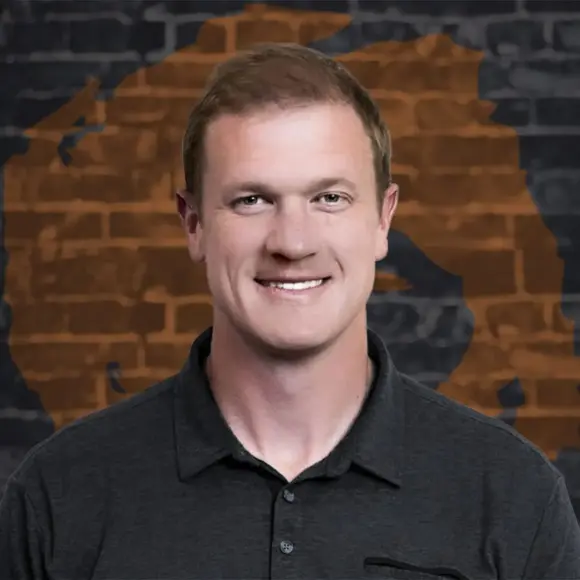
Paul Walkenhorst
Co-Owner

Tyler Hansen
Co-Owner
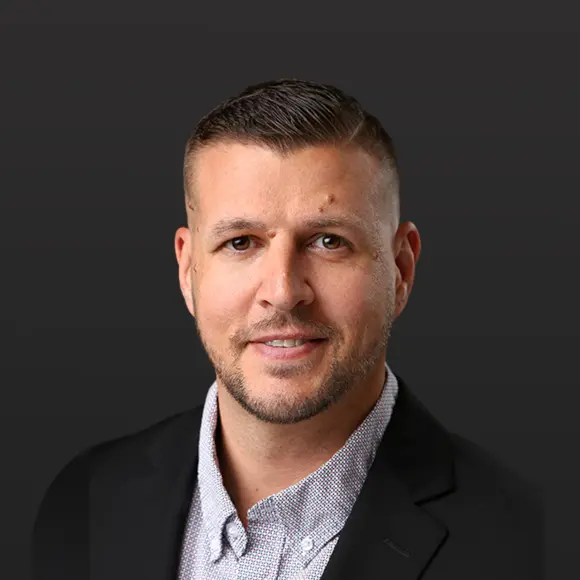
Micah Niles
General Manager

Robert Mendenhall
Medical Director
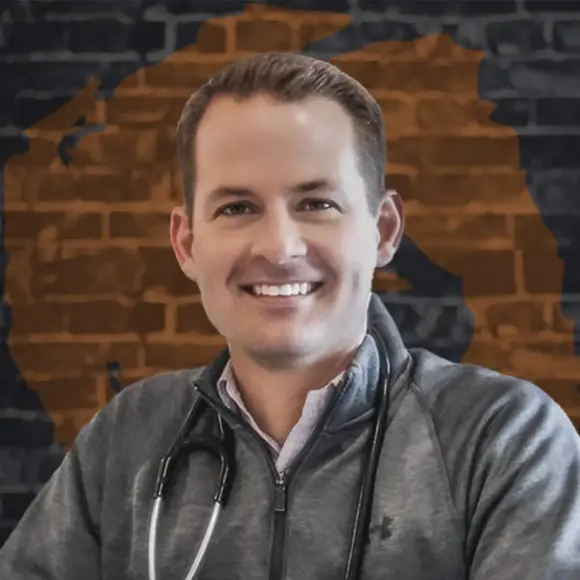
Blake Rapier
Assistant Medical Director
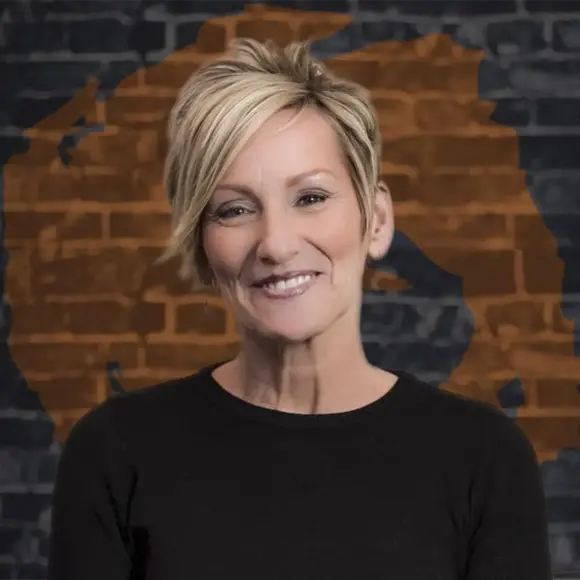
Julie Jackson
Director of Outpatient Operations
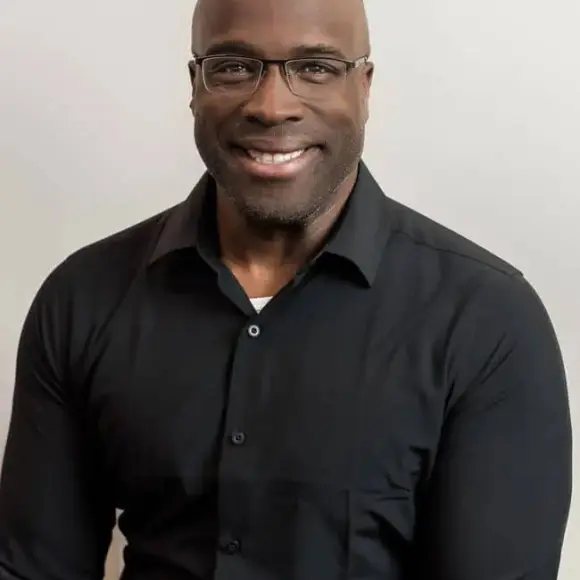
Desmond Lomax
Clinical Consultant
Accreditations

State Licenses are permits issued by government agencies that allow rehab organizations to conduct business legally within a certain geographical area. Typically, the kind of program a rehab facility offers, along with its physical location, determines which licenses are required to operate legally.
State License: Utah

The Joint Commission, formerly known as JCAHO, is a nonprofit organization that accredits rehab organizations and programs. Founded in 1951, the Joint Commision's mission is to improve the quality of patient care and demonstrating the quality of patient care.
Joint Commission Accreditation: Yes
Rehab.com regularly reviews this listing for accuracy but changes may occur between updates. For the most up-to-date information, please contact Steps Recovery Center (Murray) Outpatient Rehab.
Contact Information


345 E 4500 S
#100
Murray, UT 84107
Sponsored Helpline



