































































































This program & support system gave my family our sister back.She accomplished so many life goals.The tools she was taught at Next Door truly helped out whole family.Sadly the rate of addicts that return to addiction is very very high .My sister Amanda Gail Thomas died ri ...
About The Next Door Recovery
This rehab is faith-based so the program has a spiritual backdrop. There are inpatient programs and outpatient programs so you can get the level of treatment you need. They also do a great job with special cases like pregnant women with addiction and women with dual diagnoses (mental illness along with addiction).
The program at the Next Door is focused on lifetime recovery so it’s all about long-term health and sobriety. It’s based on 12 Step programs. Most major insurance companies will cover the treatment too so you don’t need to stress about the cost.
You usually start your journey with medical detox at The Next Door where there is medical monitoring 24/7 and medications to help you with withdrawal. The next step is the 28 day inpatient program before you move on to outpatient care and aftercare. The programs include therapy and special classes like relapse prevention and parenting. There are holistic therapies and activities too like yoga, art therapy, and community groups at the YMCA.
For women in Nashville The Next Door is a safe haven where they can get the care they need that is truly based on them.
Latest Reviews
TND is the most amazing facility ive ever been to! They saved my life. So many extracurricular activities. The peers, BHTs, nurses and therapist are all amazing. The food is soo good, nothing like normal facility food! Its amazing! I love this place so much and I can not recommend it enough. I could write an essay on this place and all it has to offer. Please please pick this facility, you will not regret it. 10s all across the board. Good luck and youve got this. This is the place to get sober for sure.
TND is amazing the staff there cares so much about each woman and they recovery Miss April cooks with love for the women the peers Whitney, Megan and Constance are great role models to the women my therapist Hannah was amazing she was very patient with me shoutout to my care manager MaCayla is theeee shit she help me figure out my next step after TND the medical staff Miranda, Bri and Ebony are amazing I would highly recommend TND I wish they had a sober living but thee 28 day program is amazing and saves many women lives thank you oh so much ladies ❤️
There are truly no words that can express how grateful I am for everyone at Next Door Recovery Center. When I came through their doors, I was at one of the lowest points in my life. I felt lost, hopeless, and unsure if I could ever become the person I wanted to be. From day one, the staff treated me with compassion, dignity, and unconditional support. They never judged me for my past—they believed in my future.
Every counselor, nurse, and staff member genuinely cares about the people they help. They don't see you as another patient; they see you as a person who deserves a second chance. Their encouragement, patience, and commitment gave me the strength to keep fighting, even on the days I wanted to give up.
Because of Next Door Recovery Center, I have hope again. They helped me rediscover my self-worth and showed me that recovery is possible if you're willing to put in the work. I will never forget the impact they've had on my life, and I will always be thankful for the love, guidance, and support they gave me during one of the hardest chapters of my journey.
If you're struggling with addiction or know someone who is, I wholeheartedly recommend Next Door Recovery Center. They don't just help people recover—they help people find themselves again. They truly changed my life, and for that, I will be forever grateful.

Rehab Score
 Our Methodology
Scoring is assigned by a proprietary system which helps surface key metrics that determine quality. The 10-point scale factors in categories such as operations, customer satisfaction, and trust metrics. Read Full Methodology

8 / 10
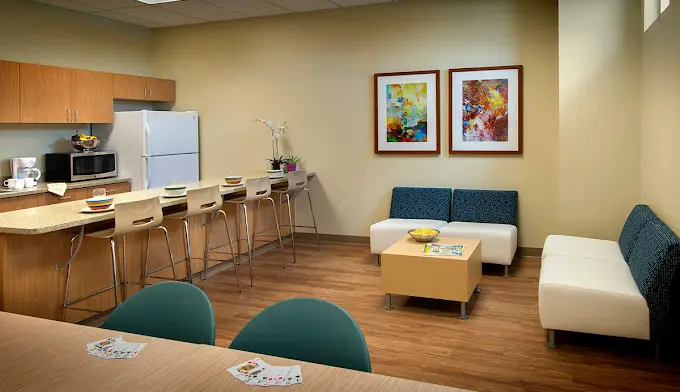
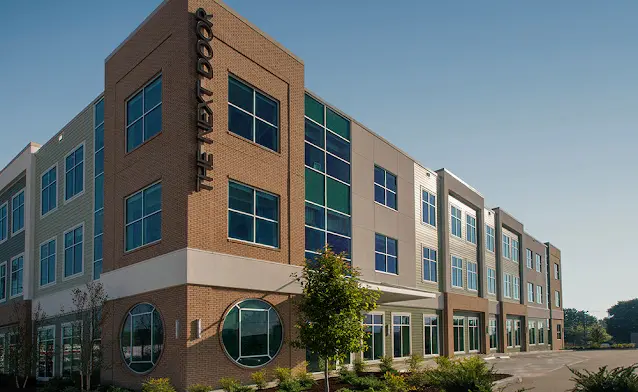
Gallery

Accepted Insurance
Other Forms of Payment
Self-pay involves paying for treatment out of your own pocket. You can use savings or credit, get a personal loan, or receive help from family and friends to fund your treatment. If you don't have insurance or your insurance plan doesn't cover a specific program, self-pay can help ensure you still get the care you need.
Private insurance refers to any kind of healthcare coverage that isn't from the state or federal government. This includes individual and family plans offered by an employer or purchased from the Insurance Marketplace. Every plan will have different requirements and out of pocket costs so be sure to get the full details before you start treatment.
Medicaid is a state based program that helps lower-income individuals and families pay for healthcare. Medicaid covers addiction treatment so those enrolled can use their coverage to pay for rehab. When a program accepts Medicaid the client often pays very little or nothing out of their own pocket.
Financial aid can take many forms. Centers may have grants or scholarships available to clients who meet eligibility requirements. Programs that receive SAMHSA grants may have financial aid available for those who need treatment as well. Grants and scholarships can help you pai for treatment without having to repay.
Medicare is a federal program that provides health insurance for those 65 and older. It also serves people under 65 with chronic and disabling health challenges. To use Medicare for addiction treatment you need to find a program that accepts Medicare and is in network with your plan. Out of pocket costs and preauthorization requirements vary, so always check with your provider.
Military members, veterans, and eligible dependents have access to specific insurance programs that help them get the care they need. TRICARE and VA insurance can help you access low cost or no cost addiction and mental health treatment. Programs that accept military insurance often have targeted treatment focused on the unique challenges military members, veterans, and their families face.
Private insurance refers to any kind of healthcare coverage that isn't from the state or federal government. This includes individual and family plans offered by an employer or purchased from the Insurance Marketplace. Every plan will have different requirements and out of pocket costs so be sure to get the full details before you start treatment.
Addiction Treatments
Levels of Care
Drug and alcohol addiction often takes a heavy toll on one's body. Over time, a physical dependence can develop, meaning the body physiologically needs the substance to function. Detox is the process of removing drugs and/or alcohol from the body, a process that can be lethal if mismanaged. Medical detox is done by licensed medical professionals who monitor vital signs and keep you safe, healthy, and as comfortable as possible as you go through detox and withdrawal.
At certain points in the recovery process, it's important to have support available 24/7. 24-hour clinical care offers a safe environment in which to recover from drug or alcohol addiction in peace, knowing medical detox and other treatment will happen with professionals on hand.
The Intensive Outpatient Program (IOP) is a high therapeutic intensity and recovery focus program, but with less structure. It is an outpatient program that meets 3 hours a day 4 days a week. IOP clients receive intensive day treatment and return home at night to practice their recovery skills. Clients may choose to enter The Next Door treatment at this level of care. They may also step down from the Residential Treatment Program based upon their individual need. Intensive Outpatient Program may also be a good alternative to the Residential Treatment Program if a client has an appropriate, supportive living environment and is able to manage daily activities without round the clock supervision.
The Outpatient Program offers clients a step down to less intensive treatment services following the completion of higher, more structured levels of care. Services are based upon the individual needs of clients and meets less than five hours a week. Outpatient programs are for those seeking mental rehab or drug rehab, but who also stay at home every night.
The Residential Treatment Program is a comprehensive, high intensity and structured inpatient treatment program where clients meet multiple hours each day during week days/nights and have continuous structured, yet less intensive, programming on weekends. Programming explores the underlying issues of mind, body and spirit that are associated with chemical dependency, co-occurring mental illness and trauma.
12-step programs are addiction recovery models based on Alcoholics Anonymous (AA). A number of substance abuse programs (including some drug and alcohol rehab centers) use the 12 steps as a basis for treatment. Beginning steps involve admitting powerlessness over the addiction and creating a spiritual basis for recovery. Middle steps including making direct amends to those who've been hurt by the addiction, and the final step is to assist others in addiction recovery in the same way. 12-Step offshoots including Narcotics Anonymous (NA), Cocaine Anonymous (CA), Dual Recovery Anonymous (DRA), Sex and Love Addicts Anonymous (SLAA) and Gamblers Anonymous (GA).
The Next Door’s long-term Aftercare program provides a support network like none other. Clients may enter TND’s LRM at varying points in the road to recovery. This may be after treatment, after completion of our Re-Entry Program, and/or any time in between. They believe that once one enters their doors they will forever remain a part of their “family.” Aftercare offers encouragement, support, and accountability for sustaining recovery. This weekly group is peer-facilitated support with clinical staff assistance. Through this group one can offer support to others and gain support for themselves while also participating in giving back to the community through outreach projects as a group.
The goal of a drug intervention in Tennessee is to encourage a person with a substance use disorder to enter treatment. The process also educates family members about addiction, enabling behaviors, and treatment options. The involvement of intervention services can help with this education and provide guidance for the intervention itself and follow-up care. The professional interventionist will work with the entire family to encourage the best outcomes possible from the intervention.
A partial hospitalization program (PHP) is an intensive outpatient option for those with moderate to severe addictions, allowing you to return home at the end of the day. It can be an alternative to hospitalization or used as a step-down option. PHP treatment requires a minimum of 20 hours of treatment per week for an average of 90 days. Depending on your needs, PHP treatment includes relapse prevention, medication management, and behavioral therapy services. PHP treatment is often covered by providers.
Treatments
The goal of treatment for alcoholism is abstinence. Those with poor social support, poor motivation, or psychiatric disorders tend to relapse within a few years of treatment. For these people, success is measured by longer periods of abstinence, reduced use of alcohol, better health, and improved social functioning. Recovery and Maintenance are usually based on 12 step programs and AA meetings.
When your day-to-day life is taken over by drug use, this is known as substance use disorder. If you abruptly stop using your drug of choice, you experience withdrawal symptoms. To overcome this cycle, professional drug rehab in Tennessee is usually needed.
Many of those suffering from addiction also suffer from mental or emotional illnesses like schizophrenia, bipolar disorder, depression, or anxiety disorders. Rehab and other substance abuse facilities treating those with a dual diagnosis or co-occurring disorder administer psychiatric treatment to address the person's mental health issue in addition to drug and alcohol rehabilitation.
A combined mental health and substance abuse rehab has the staff and resources available to handle individuals with both mental health and substance abuse issues. It can be challenging to determine where a specific symptom stems from (a mental health issue or an issue related to substance abuse), so mental health and substance abuse professionals are helpful in detangling symptoms and keeping treatment on track.
Opioid rehabs specialize in supporting those recovering from opioid addiction. They treat those suffering from addiction to illegal opioids like heroin, as well as prescription drugs like oxycodone. These centers typically combine both physical as well as mental and emotional support to help stop addiction. Physical support often includes medical detox and subsequent medical support (including medication), and mental support includes in-depth therapy to address the underlying causes of addiction.
Substance abuse treatment in Tennessee is available in addiction treatment centers, where experienced addiction professionals can treat both substance use disorders. Typically, clinicians use a range of evidence-based therapies such as a biopsychosocial assessment, cognitive-behavioral therapy, and motivational interviewing to get a complete picture of your mental health, support systems, and motivation to change. Through an individualized treatment plan, you'll receive the support you need to achieve long-term sobriety through new skills and relapse prevention strategies.
Programs
Adult rehab programs include therapies tailored to each client's specific needs, goals, and recovery progress. They are tailored to the specific challenges adult clients may face, including family and work pressures and commitments. From inpatient and residential treatment to various levels of outpatient services, there are many options available. Some facilities also help adults work through co-occurring conditions, like anxiety, that can accompany addiction.
Young adulthood can be an exciting, yet difficult, time of transition. Individuals in their late teens to mid-20s face unique stressors related to school, jobs, families, and social circles, which can lead to a rise in substance use. Rehab centers with dedicated young adult programs will include activities and amenities that cater to this age group, with an emphasis on specialized counseling, peer socialization, and ongoing aftercare.
Serving in the military is both mentally and physically challenging, and can result in trauma that persists even after combat ends. Military programs are tailored to the specific and often complex needs of active duty personnel, veterans, and military families. Clients often access these programs through the U.S. Department of Veterans Affairs (VA).
Rehabs for women provide a safe, nurturing space for female clients to heal. These treatment programs consider the specific obstacles that women can face during recovery and place a special emphasis on mental, social, physical, and reproductive health. They explore how each woman's experience has shaped the trajectory of their substance use, addressing issues such as sexual abuse and past trauma.
Clinical Services
At The Next Door they recognize the vital need for families to receive their own treatment and recovery from the Disease of Addiction. In fulfilling this need, families are allowed their own place to learn, process, grow and heal. The Next Door offers a four week series for clients and families on the following topics: Disease of Addiction, Family Disease and Recovery, Enabling and Codependency, Boundaries and Communication. Our staff utilizes various forms of educational and therapeutic resources to help support families. Family members are provided with educational information and materials throughout the 4 week series. In addition, family members and clients participate in both psychoeducational and experiential activities.
Group therapy is any therapeutic work that happens in a group (not one-on-one). There are a number of different group therapy modalities, including support groups, experiential therapy, psycho-education, and more. Group therapy involves treatment as well as processing interaction between group members.
In individual therapy, a patient meets one-on-one with a trained psychologist or counselor. Therapy is a pivotal part of effective substance abuse treatment, as it often covers root causes of addiction, including challenges faced by the patient in their social, family, and work/school life.
Life skills trainings involve all the skills a person must have in order to function successfully in the world. These include time management, career guidance, money management, and effective communication. Truly successful addiction recovery is based on the ability to not only live substance-free, but to thrive. Life skills teaches the practical necessities of functioning in society, which sets clients up for success in life, and therefore sobriety.
Trauma therapy addresses traumatic incidents from a client's past that are likely affecting their present-day experience. Trauma is often one of the primary triggers and potential causes of addiction, and can stem from child sexual abuse, domestic violence, having a parent with a mental illness, losing one or both parents at a young age, teenage or adult sexual assault, or any number of other factors. The purpose of trauma therapy is to allow a patient to process trauma and move through and past it, with the help of trained and compassionate mental health professionals.
While engaged in couples therapy in Tennessee, you'll learn how to trust, communicate, forgive, and manage emotions. Developing these skills can be beneficial at any time during the relationship, but they are particularly crucial when facing life challenges.
Many individuals who are experiencing addiction are extremely malnourished. This is due to negative patterns that develop during active addiction. Nutrition therapy helps break these negative patterns and teaches you to develop healthy ones that will help you sustain sobriety long term.
A wide range of therapeutic methods fall under the category of experiential therapy. Examples include drama therapy, animal assisted therapy, wilderness therapy, music therapy, and martial arts. Each of these offers an experience that allows the individual to express themselves and work through their emotions and experiences.
Typical cognitive behavioral therapy in Tennessee involves recognizing negative thinking and learning techniques to change that thinking and create new, positive behaviors. Strategies may include SMART goals, journaling, and situation exposure.
Counseling in Tennessee that takes a dialectical behavior therapy approach can last from six to 12 months. During that time, you'll develop skills in the areas of distress tolerance, mindfulness, emotional regulation, and interpersonal effectiveness.
Amenities
-
 Private Setting
 -
 Yoga Studio
 -
 Gym
Gym -
 Meditation Room
 -
 Art Activities
Staff & Accreditations
Staff
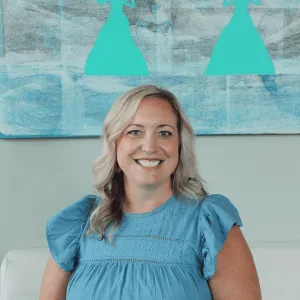
Amanda Dunlap, LPC-MHSP
Clinical Executive Director
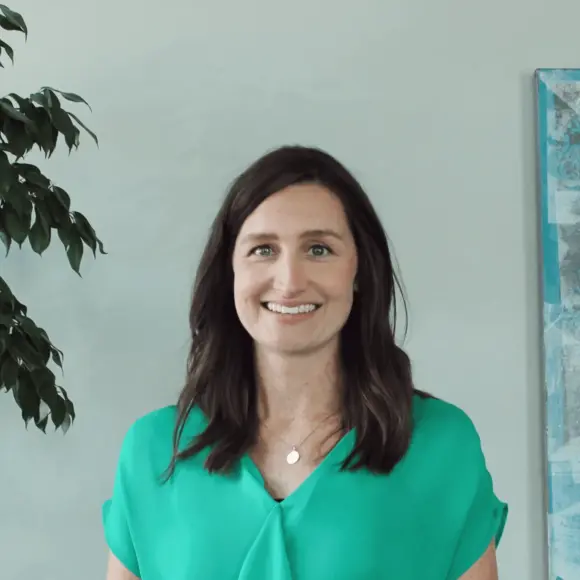
Rachel Morris
Executive Director
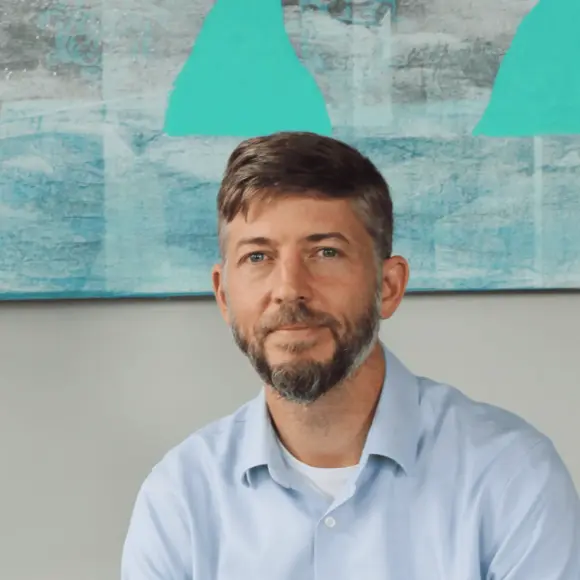
Michael Ferri, MD
Medical Director
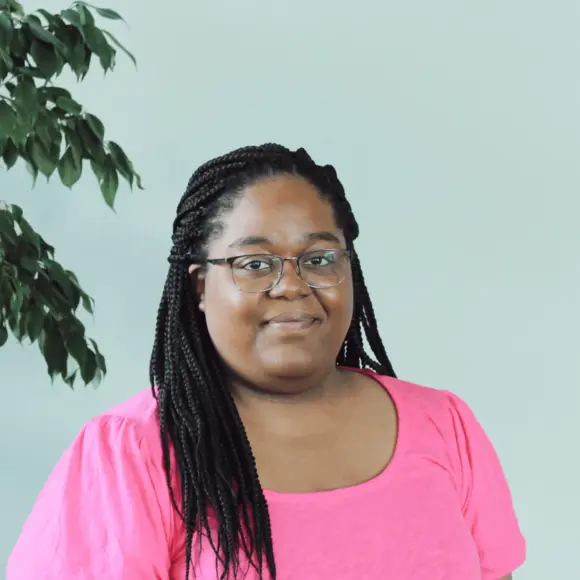
Jonea Marcellus, BSN, RN, CARN
Director of Nursing
Accreditations

The Commission on Accreditation of Rehabilitation Facilities (CARF) is a non-profit organization that specifically accredits rehab organizations. Founded in 1966, CARF's, mission is to help service providers like rehab facilities maintain high standards of care.
CARF Accreditation: Yes

State Licenses are permits issued by government agencies that allow rehab organizations to conduct business legally within a certain geographical area. Typically, the kind of program a rehab facility offers, along with its physical location, determines which licenses are required to operate legally.
State License: Tennessee
License Number: L000000022989
Rehab.com regularly reviews this listing for accuracy but changes may occur between updates. For the most up-to-date information, please contact The Next Door Recovery.
Contact Information

402 22nd Avenue North
Nashville, TN 37203
Get Help Now - 615-437-0407
Sponsored Helpline
Sponsored Helpline


