





























































































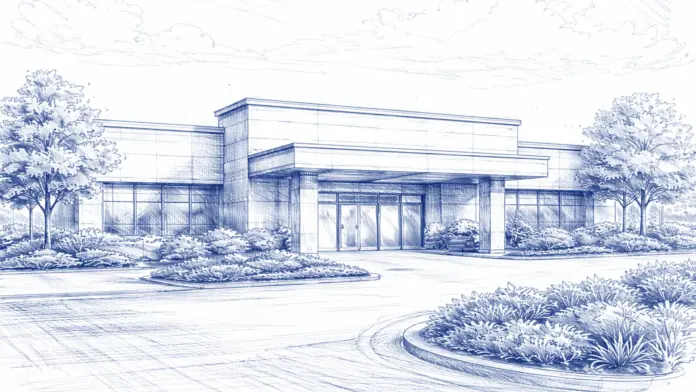
About Tree House Recovery TN
Based in the heart of Nashville, Tree House Recovery TN offers holistic addiction treatment programming for adults, including veterans. Most major health plans are accepted, including TRICARE. Their 24/7 admissions team is also on hand to discuss any financial concerns you may have, as well as suitable coverage options.
A Holistic Drug Rehab in Tennessee’s Capital
Access personalized addiction treatment in central Nashville. With its high sobriety and successful graduation rates, the center boasts scientifically backed treatment approaches designed to help you heal from the physical, mental, and social effects of addiction. The team is with you every step of the way to support you as you build a new lifestyle and sense of self, away from the substances.
Addiction Treatment Approaches
Intensive outpatient programming (IOP) encourages individuals to own their recovery by creating a strong foundation for healthy, sober living. They use a biopsychosocial model, designed to address all aspects of addiction. This means treating both the effects, and the causes of addiction, and becoming physically, mentally, emotionally, and socially stronger.
The team helps craft a personalized recovery plan, involving individual and group counseling to help you process and make sense of your experiences, while hearing and learning from peers in similar circumstances.
Evidence Based Therapeutic Approaches to Care
Therapeutic approaches used include motivational interviewing (MI), psychoeducation, including addiction education, relapse prevention therapy (RPT), as well as mindfulness practices like grounding and breathwork. Life skills sessions are also provided.
Exercise-based group therapy also features, with a fitness-based approach prevalent here. This is supported by the facility’s private on-site gym, providing dedicated space for you to get back into your body.
Facility Overview
 91+
91+ Latest Reviews



Rehab Score
 Our Methodology


Location
Accepted Insurance
Other Forms of Payment
Private insurance refers to any kind of healthcare coverage that isn't from the state or federal government. This includes individual and family plans offered by an employer or purchased from the Insurance Marketplace. Every plan will have different requirements and out of pocket costs so be sure to get the full details before you start treatment.
Self-pay involves paying for treatment out of your own pocket. You can use savings or credit, get a personal loan, or receive help from family and friends to fund your treatment. If you don't have insurance or your insurance plan doesn't cover a specific program, self-pay can help ensure you still get the care you need.
Addiction Treatments
Levels of Care
Clients in intensive outpatient programs (IOP) receive robust, personalized care to support their reintegration into their community. Clients stepping down from inpatient treatment frequently enroll in IOP before entering standard outpatient care or community-based recovery programs, such as AA. Intensive outpatient treatment generally involves between nine and 20 therapeutic hours weekly, with the frequency and duration of sessions decreasing as clients stabilize. IOP services commonly include counseling, recovery education, holistic therapies, and medication assisted treatment (MAT).
Outpatient rehabs enable clients to receive care without leaving their home, workplace, and community. Clients typically receive intensive addiction counseling, including individual, group, and family therapy. Many programs promote clients' long-term sobriety through recovery-focused life skills training and ancillary services, such as peer coaching. Medication assisted treatment (MAT), including medication induction and maintenance, are common in outpatient care. Most facilities offer multiple levels of care to accommodate clients' evolving needs, including intensive outpatient (IOP) and standard outpatient programming.
Treatments
Alcohol use disorder (AUD) is a treatable condition characterized by uncontrolled consumption of alcohol which continues despite negative consequences. Treatment options for alcohol addiction include inpatient or outpatient alcohol rehab in Tennessee. Therapeutic methods include group and individual therapy, medication, and holistic therapies. Aftercare is often provided through 12-step support groups, which offer ongoing accountability and encouragement.
When your day-to-day life is taken over by drug use, this is known as substance use disorder. If you abruptly stop using your drug of choice, you experience withdrawal symptoms. To overcome this cycle, professional drug rehab in Tennessee is usually needed.
 Opioid Addiction
Substance abuse treatment in Tennessee is available in addiction treatment centers, where experienced addiction professionals can treat both substance use disorders. Typically, clinicians use a range of evidence-based therapies such as a biopsychosocial assessment, cognitive-behavioral therapy, and motivational interviewing to get a complete picture of your mental health, support systems, and motivation to change. Through an individualized treatment plan, you'll receive the support you need to achieve long-term sobriety through new skills and relapse prevention strategies.
Programs
Young adulthood can be an exciting, yet difficult, time of transition. Individuals in their late teens to mid-20s face unique stressors related to school, jobs, families, and social circles, which can lead to a rise in substance use. Rehab centers with dedicated young adult programs will include activities and amenities that cater to this age group, with an emphasis on specialized counseling, peer socialization, and ongoing aftercare.
Serving in the military is both mentally and physically challenging, and can result in trauma that persists even after combat ends. Military programs are tailored to the specific and often complex needs of active duty personnel, veterans, and military families. Clients often access these programs through the U.S. Department of Veterans Affairs (VA).
Clinical Services
Typical cognitive behavioral therapy in Tennessee involves recognizing negative thinking and learning techniques to change that thinking and create new, positive behaviors. Strategies may include SMART goals, journaling, and situation exposure.
If you participate in motivational interviewing in Tennessee, your therapist will focus on four key strategies: open questions, affirmation, reflections, and summarizing. Rather than confront or warn you to change, the clinician will allow you to explore your own motivations and decide what changes you may need to make in your life.
Amenities
-
 Gym
Gym
Accreditations

The Joint Commission, formerly known as JCAHO, is a nonprofit organization that accredits rehab organizations and programs. Founded in 1951, the Joint Commision's mission is to improve the quality of patient care and demonstrating the quality of patient care.
Joint Commission Accreditation: Yes

The Substance Abuse and Mental Health Services Administration (SAMHSA) is a branch of the U.S. Department of Health and Human Services. Established in 1992 by congress, SAMHSA's mission is to reduce the impact of substance abuse and mental illness on American's communities.
SAMHSA Listed: Yes
Rehab.com regularly reviews this listing for accuracy but changes may occur between updates. For the most up-to-date information, please contact Tree House Recovery TN.
Contact Information


6030 Neighborly Ave, Nashville, TN 37209
Sponsored Helpline

