






























































































I thank U Turn For Christ for making me realize all the mistakes I was making, for making me the person that I'm today and thank you to the Lord for giving me life and putting this people on my way so that I was able to improve and get to knoe Him better. Thank you Lord for ...
About U Turn For Christ Tennessee
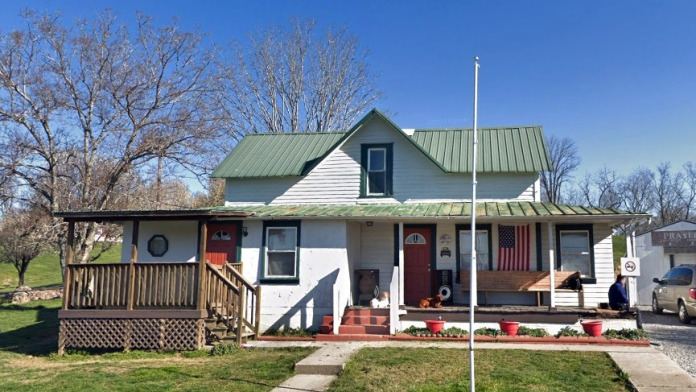
The residential treatment program at U Turn For Christ requires patients to live in military-style quarters. During the day, patients will be involved in voluntary community service, daily chores, and Bible study. It’s worth noting that the residential recovery program is wholly based on the Word of God, and you reach sobriety through faith-based therapies. In addition, individuals have to remain in the residential program for two months to a year.
Their outpatient program is designed to help patients become more productive and vital members of their communities, churches, workplaces, schools, and society while helping them strengthen their relationship with God. There’s individual and group counseling, with the Holy Scripture being the main focus point to set individuals free of their addictions. Those enrolled can remain at the facility and pay a monthly donation, but they must remain for up to six months.
As a faith-based substance abuse treatment provider, U Turn For Christ offers various ways to pay for treatment and can accept many major insurers. Those wanting to enroll should speak with the ministry and their insurer to determine if they have insurance coverage. Alternatively, out-of-network benefits might come into play, or self-pay may be preferable.
Latest Reviews
Went there looking for 🧳 and found one low price and we had a family crisis going on at the moment and they prayed for us thank you
Background and research! Pastor Steve is NO LONGER the director. When you read through those reviews please know that! Call and speak with the current director Clint. My son went through in 2021. Feel free to contact Calvary Chapel Greeneville for a reference. So sorry you and your family are battling with addiction.
I was there in 2006 to 2007. It was a blessing being apart of this ministry serving and being served by others in the same grip of addiction. If you truly want to change your life I highly recommend this program or another program just like this as it will change your life !

Rehab Score
 Our Methodology
Scoring is assigned by a proprietary system which helps surface key metrics that determine quality. The 10-point scale factors in categories such as operations, customer satisfaction, and trust metrics. Read Full Methodology

6.2 / 10
Gallery
Other Forms of Payment
Private insurance refers to any kind of healthcare coverage that isn't from the state or federal government. This includes individual and family plans offered by an employer or purchased from the Insurance Marketplace. Every plan will have different requirements and out of pocket costs so be sure to get the full details before you start treatment.
Self-pay involves paying for treatment out of your own pocket. You can use savings or credit, get a personal loan, or receive help from family and friends to fund your treatment. If you don't have insurance or your insurance plan doesn't cover a specific program, self-pay can help ensure you still get the care you need.
Financial aid can take many forms. Centers may have grants or scholarships available to clients who meet eligibility requirements. Programs that receive SAMHSA grants may have financial aid available for those who need treatment as well. Grants and scholarships can help you pai for treatment without having to repay.
Addiction Treatments
Levels of Care
Inpatient rehabs are designed principally for clients who require intensive supervision and support, including clients who have just completed detox, clients in early recovery, and clients at an elevated risk of relapse. Inpatient treatment helps clients stabilize following detox and prepares them to step-down into outpatient and/or community-based care. Clients reside at the facility for the duration of their program and engage in extensive addiction counseling and education. Many programs also offer evidence-based complementary therapies.
Clients receiving support in a rehab aftercare program typically have abstained from drugs or alcohol for a period of weeks or months and have completed high-level (often inpatient) treatment. Drug rehab aftercare is designed to support clients in maintaining their sobriety as they re-engage with their ordinary lives at home, in the workplace, and in the community. Services are highly individualized and evolve with clients' changing needs, but generally include peer coaching and relapse prevention.
Safe detox requires 24-hour clinical care in Tennessee. This is due to the health risks that are involved during withdrawal. As the brain reacts to the absence of the drug, severe symptoms can occur, depending on the type of drug used. For instance, alcohol and benzodiazepine withdrawal may result in seizures. Fortunately, supervised care in a clinical setting can provide the necessary treatment to avoid health risks and allow you to complete detox safely.
Treatments
The goal of treatment for alcoholism is abstinence. Those with poor social support, poor motivation, or psychiatric disorders tend to relapse within a few years of treatment. For these people, success is measured by longer periods of abstinence, reduced use of alcohol, better health, and improved social functioning. Recovery and Maintenance are usually based on 12 step programs and AA meetings.
When your day-to-day life is taken over by drug use, this is known as substance use disorder. If you abruptly stop using your drug of choice, you experience withdrawal symptoms. To overcome this cycle, professional drug rehab in Tennessee is usually needed.
Opioid rehabs specialize in supporting those recovering from opioid addiction. They treat those suffering from addiction to illegal opioids like heroin, as well as prescription drugs like oxycodone. These centers typically combine both physical as well as mental and emotional support to help stop addiction. Physical support often includes medical detox and subsequent medical support (including medication), and mental support includes in-depth therapy to address the underlying causes of addiction.
Substance rehabs focus on helping individuals recover from substance abuse, including alcohol and drug addiction (both illegal and prescription drugs). They often include the opportunity to engage in both individual as well as group therapy.
Programs
Adult rehab programs include therapies tailored to each client's specific needs, goals, and recovery progress. They are tailored to the specific challenges adult clients may face, including family and work pressures and commitments. From inpatient and residential treatment to various levels of outpatient services, there are many options available. Some facilities also help adults work through co-occurring conditions, like anxiety, that can accompany addiction.
Young adulthood can be an exciting, yet difficult, time of transition. Individuals in their late teens to mid-20s face unique stressors related to school, jobs, families, and social circles, which can lead to a rise in substance use. Rehab centers with dedicated young adult programs will include activities and amenities that cater to this age group, with an emphasis on specialized counseling, peer socialization, and ongoing aftercare.
Men face specific challenges and concerns when seeking addiction treatment. Gender-specific recovery programs help them tackle these issues head-on in an environment that's focused, targeted, and distraction-free. It also gives them the opportunity to connect with and learn from other men who have been through a similar journey and can offer support for the next step.
Clinical Services
Group therapy is any therapeutic work that happens in a group (not one-on-one). There are a number of different group therapy modalities, including support groups, experiential therapy, psycho-education, and more. Group therapy involves treatment as well as processing interaction between group members.
In individual therapy, a patient meets one-on-one with a trained psychologist or counselor. Therapy is a pivotal part of effective substance abuse treatment, as it often covers root causes of addiction, including challenges faced by the patient in their social, family, and work/school life.
While engaged in couples therapy in Tennessee, you'll learn how to trust, communicate, forgive, and manage emotions. Developing these skills can be beneficial at any time during the relationship, but they are particularly crucial when facing life challenges.
Family therapy uses a structured environment to address the complexities of addiction and the negative influences it has on the family unit. Therapists work with family members to develop effective coping and communication strategies that support their loved one's recovery while also focusing on the health and well being of each family member.
Recreational therapy (aka therapeutic recreation) uses creative and fun activities to help with addiction recovery. Recreational therapists lead patients in entertaining and engaging activities like sports or games; art (drawing, painting, sculpture); drama, music, and dance; and/or community outings (field trips) to improve patients' physical, social, and emotional well-being.
Experiential therapy is a form of therapy in which clients are encouraged to surface and work through subconscious issues by engaging in real-time experiences. Experiential therapy departs from traditional talk therapy by involving the body, and having clients engage in activities, movements, and physical and emotional expression. This can involve role-play or using props (which can include other people). Experiential therapy can help people process trauma, memories, and emotion quickly, deeply, and in a lasting fashion, leading to substantial and impactful healing.
To quit smoking, you can use nicotine replacement therapy and gradually reduce the amount of nicotine you consume. This allows your brain and body to adjust so you can reach your goal of breaking free from cigarettes in just a few weeks.
Amenities
-
 Gym
Gym -
 Residential Setting
 -
 Private Rooms
 -
 Hiking
 -
 Mountain Views
Rehab.com regularly reviews this listing for accuracy but changes may occur between updates. For the most up-to-date information, please contact U Turn For Christ Tennessee.
Contact Information

1160 Black Road
Greeneville TN, 37743
Get Help Now - 865-855-6975
Sponsored Helpline
Sponsored Helpline



