





























































































About Valley Rescue Mission
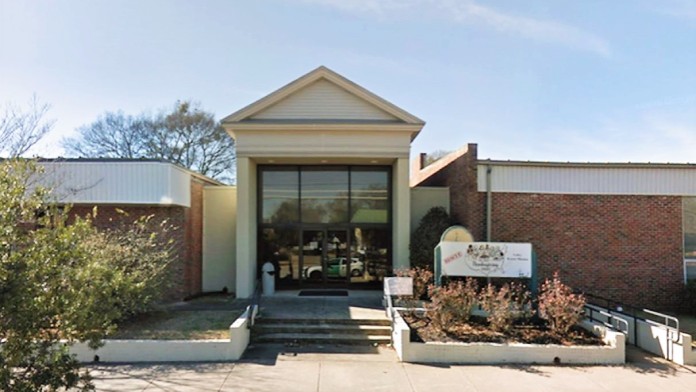
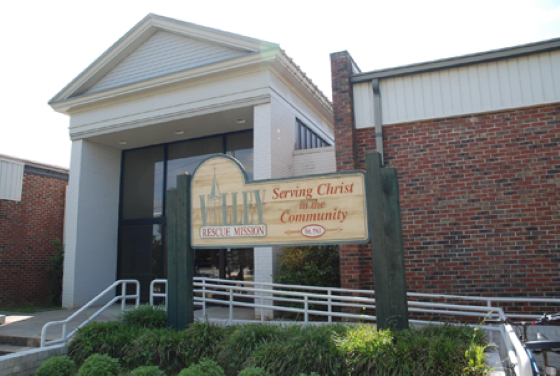
In Columbus, Georgia, Valley Rescue Mission is an addiction treatment center.
Men and women enter gender-specific recovery programs, and women who are homeless can bring their children to the Women and Children’s Center.
The residential rehab lasts 9 to 12 months, and the first phase for men is a 90-day evaluation in Columbus at Howard Mott’s Men’s Center.
Phase 2 for men is the Crossroads program in Hamilton, Georgia.
Are the programs faith based?
Valley Rescue Mission is Christ-centered, and the men’s recovery program includes Christ-based recovery classes, bible study and work therapy.
Chapel services and daily devotions are on the schedule of the men’s recovery program, so a person in that program has worship and scripture in the treatment day.
Who leads the programs?
The recovery programs at Valley Rescue Mission are peer led, meaning people in the program run the groups.
You do not need insurance for these programs, which are free and donor funded, and the mission does not bill insurance.
Women who graduate can continue in a three-month aftercare program, and aftercare for men who graduate is optional and stays in Columbus.
Facility Overview
 61 - 90
 Latest Reviews



Rehab Score
 Our Methodology


Gallery
Other Forms of Payment
 Free
FreeAddiction Treatments
Levels of Care
Valley Rescue Mission runs inpatient rehab as long-term residential recovery: programs last 9 to 12 months and are 100 percent donor funded.
Outpatient Programs (OP) are for those seeking mental rehab or drug rehab, but who also stay at home every night. The main difference between outpatient treatment (OP) and intensive outpatient treatment (IOP) lies in the amount of hours the patient spends at the facility. Most of the time an outpatient program is designed for someone who has completed an inpatient stay and is looking to continue their growth in recovery. Outpatient is not meant to be the starting point, it is commonly referred to as aftercare.
Completing a drug or alcohol rehab program shouldn't spell the end of substance abuse treatment. Aftercare involves making a sustainable plan for recovery, including ongoing support. This can include sober living arrangements like halfway houses, career counseling, and setting a patient up with community programs like Alcoholics Anonymous (AA) or Narcotics Anonymous (NA).
Sober Living Houses (SLHs), aka sober homes or halfway houses, are safe, substance-free, supportive living facilities for those recovering from substance abuse. Ideal for those who've just been through inpatient or outpatient treatment, SLHs are supervised environments with rules that support sobriety, such as curfews, shared chores, and therapeutic meetings. Residents are also often trained on life skills and coping skills to make it easier to transition into society. SLHs also provide a strong sense of community that can lead to the kind of deep and lasting connections with other sober individuals that supports a new, healthy lifestyle.
Treatments
Alcoholism is a pattern of alcohol use that involves continued drinking even when it causes problems. Alcoholism is also characterized by a physical dependence on alcohol, which causes the body to experience withdrawal symptoms when alcohol is not present. Due to this physical dependence, medically-supervised detox is often necessary to safely recover from alcoholism. Alcohol rehab in Georgia offers a three-step process of detox, rehab, and maintenance to help individuals recover from alcohol addiction.
A quality drug rehab in Georgia can help you overcome addiction. This environment is designed to help you address the complex issues contributing to drug dependence. The goal of treatment is to give you the tools you need to make a full recovery.
Programs
The men's rehab program opens with a 90-day evaluation phase at the Howard Mott's Men's Center, along with chapel, bible study, Christ based recovery classes and work therapy.
The women's rehab program runs 9 to 12 months with spiritual healing and life skill classes, and graduates can continue into a three-month aftercare program.
Clinical Services
Life-skills training is part of the program, taught alongside structured discipleship and spiritual growth.
Amenities
-
 Residential Setting
Staff
Mike Gaymon
CEO/President
Mitch King
Executive Assistant
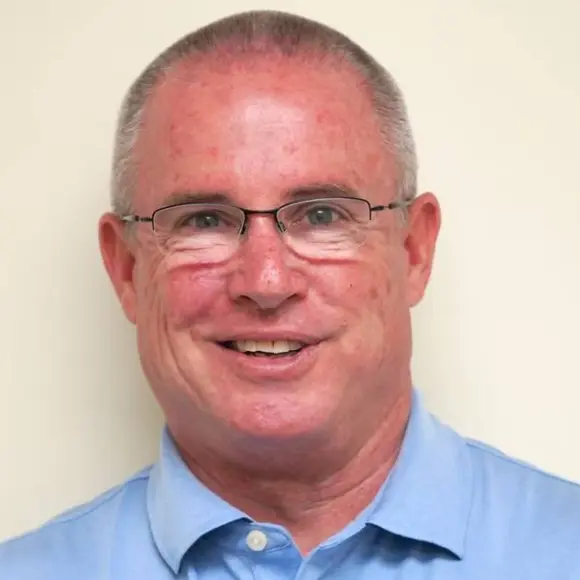
Chad Brabston
Director of Retail Services

Dr. Robert Cartwright, MD
Chairman
Richie Grantham
Vice Chairman
Rehab.com regularly reviews this listing for accuracy but changes may occur between updates. For the most up-to-date information, please contact Valley Rescue Mission.
Contact Information


2903 2nd Ave
Columbus, GA 31904
Sponsored Helpline


