





























































































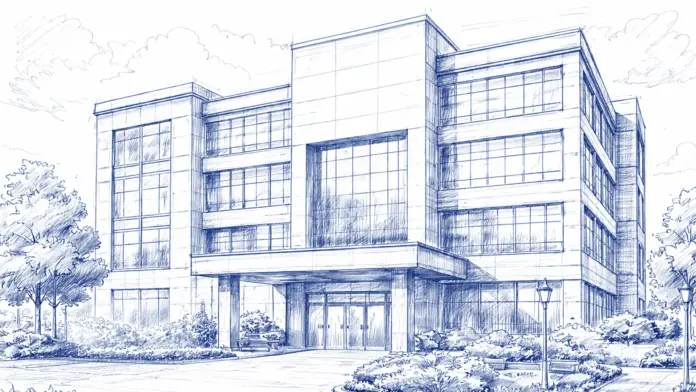
About Westlake Consultation Center
Latest Reviews



Rehab Score
 Our Methodology


Location
Accepted Insurance
Other Forms of Payment
Private insurance refers to any kind of healthcare coverage that isn't from the state or federal government. This includes individual and family plans offered by an employer or purchased from the Insurance Marketplace. Every plan will have different requirements and out of pocket costs so be sure to get the full details before you start treatment.
Medicaid is a state based program that helps lower-income individuals and families pay for healthcare. Medicaid covers addiction treatment so those enrolled can use their coverage to pay for rehab. When a program accepts Medicaid the client often pays very little or nothing out of their own pocket.
Medicare is a federal program that provides health insurance for those 65 and older. It also serves people under 65 with chronic and disabling health challenges. To use Medicare for addiction treatment you need to find a program that accepts Medicare and is in network with your plan. Out of pocket costs and preauthorization requirements vary, so always check with your provider.
Self-pay involves paying for treatment out of your own pocket. You can use savings or credit, get a personal loan, or receive help from family and friends to fund your treatment. If you don't have insurance or your insurance plan doesn't cover a specific program, self-pay can help ensure you still get the care you need.
Sliding scale payments are based on a client's income and family size. The goal is to make treatment affordable to everyone. By taking these factors into account, addiction recovery care providers help ensure that your treatment does not become a financial burden to you or your family, eliminating one barrier to care.
Addiction Treatments
Levels of Care
Clients receiving care at an outpatient rehab remain in their own homes and attend treatment as often as daily, depending on the level of need. Outpatient care generally consists of psychotherapy, addiction education, life skills training, and community reintegration support. Many outpatient treatment centers provide step-down care, including partial hospitalization (PHP), intensive outpatient (IOP), sober living, and standard outpatient services. Some outpatient rehabs also offer ambulatory medical detox and medication assisted treatment (MAT).
Treatments
Alcoholism is characterized by the excessive or compulsive use of alcohol, which does not stop despite negative consequences. This compulsive use leads to psychological and physical dependence. To break this dependence, alcohol rehab in Michigan is necessary. Treatment is available from a range of services, including residential programs, outpatient treatment, AA, medical detox, and evidence-based counseling. Support systems are also a crucial part of long-term recovery.
 Opioid Addiction
In Michigan, specialized substance abuse treatment programs are available for individuals struggling with drug and alcohol use. These programs utilize evidence-based therapies such as cognitive-behavioral therapy (CBT), dialectical behavior therapy (DBT), and motivational interviewing. Treatment options usually include outpatient, inpatient, and residential programs, offering individuals a comprehensive approach to recovery. Through a combination of therapy, counseling, and support, treatment can help individuals regain control of their lives and achieve long-term sobriety.
Programs
The postpartum period is a sensitive time, especially for women in addiction recovery. Rehabs with specialized programs for new mothers will offer compassionate, personalized care to meet each client's needs as they transition from pregnancy to this season of life. Care teams may include obstetricians, pediatricians, and social workers working collaboratively to give women, children, and families a healthy future.
Clinical Services
Cognitive behavioral therapy in Michigan helps participants view challenges more clearly so they can respond to them in healthy ways. During a limited number of structured sessions, clients learn about and practice these changes to effectively address substance use and mental health disorders.
Both internal and external factors can put stress on a relationship. Couples therapy helps you and your partner work through those stressors and find healthy ways to deal with challenges as they arise.
Family therapy is often recommended for family units with a member undergoing drug or alcohol rehabilitation. Family therapy helps to foster communication and conflict resolution that creates a supportive environment. This helps the loved one who is struggling with addiction.
 Eye Movement Desensitization And Reprocessing
During trauma therapy in Michigan, you are guided through traumatic memories within a safe and supportive environment. Your therapist then provides you with tools to process traumatic events and reduce the symptoms that occur when you're exposed to a trigger. This improves your overall mental health and ability to function in the community.
Rehab.com regularly reviews this listing for accuracy but changes may occur between updates. For the most up-to-date information, please contact Westlake Consultation Center.
Contact Information


2301 S Huron Pkwy STE 2B, Ann Arbor, MI 48104
Sponsored Helpline


