





























































































About Angel House of Georgia, Inc.
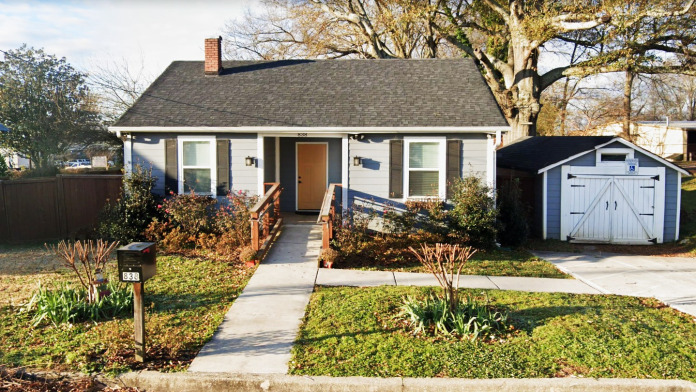
As a long-term residential sober home for women, the addiction-related services offered at Angel House of Georgia include mental health assessment and counseling, peer support, recovery meetings, a sober home environment, and an intensive outpatient program.
Mental Health Assessment and Counseling
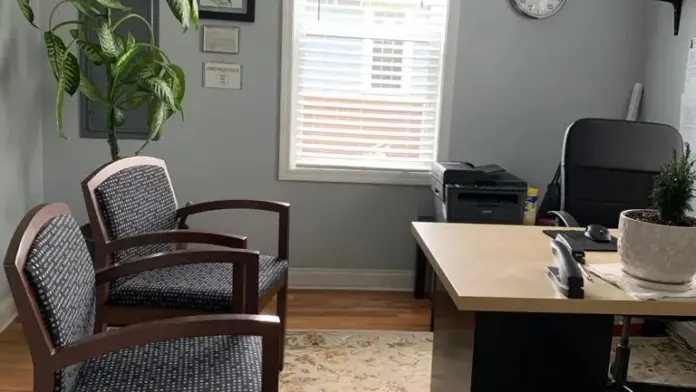
These assessments help to establish the resident has achieved sobriety and provide counseling, goal setting, and facilitate referrals to help residents sustain their recovery.
Sober Living
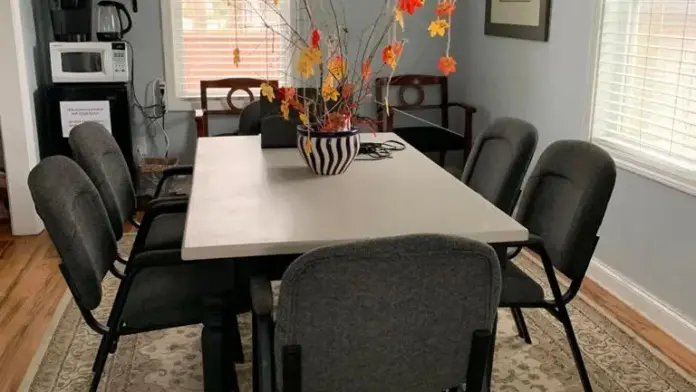
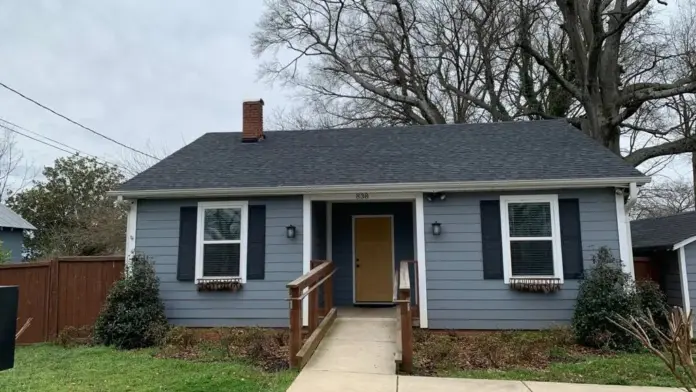
Angel House provides a structured program for women in early recovery. Residents are required to attend regular recovery meetings, comply with house rules, be working on a recovery program, secure employment, and take part in light housekeeping. In return, they receive recovery education, parenting skills, a supportive sober home, career development, and peer support.
Participants may also be required to take a random drug screening to ensure compliance with the house rules.
Intensive Outpatient Program (IOP)
Recently approved by the State of Georgia, the IOP is designed for women seeking recovery. Participants attend individual and group treatment sessions for improved coping skills, peer support, and recovery support meetings. Sessions are held 3-4 days a week. Participants may stay at the sober living facility while completing the program.
Peer Support Meetings
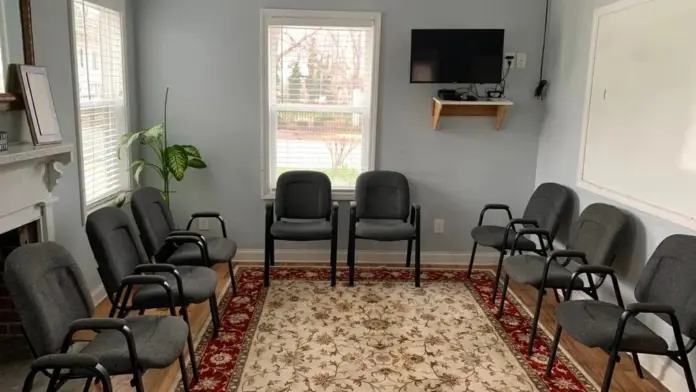
In-house recovery meetings give residents an opportunity to attend 12-step programs like Narcotics Anonymous and Alcoholics Anonymous. These peer-based groups provide mutual-aid support through sharing their experiences, working through the 12-steps with a sponsor, and being of service to others.
Latest Reviews



Rehab Score
 Our Methodology


Gallery
Accepted Insurance
Other Forms of Payment
Private insurance refers to any kind of healthcare coverage that isn't from the state or federal government. This includes individual and family plans offered by an employer or purchased from the Insurance Marketplace. Every plan will have different requirements and out of pocket costs so be sure to get the full details before you start treatment.
Self-pay involves paying for treatment out of your own pocket. You can use savings or credit, get a personal loan, or receive help from family and friends to fund your treatment. If you don't have insurance or your insurance plan doesn't cover a specific program, self-pay can help ensure you still get the care you need.
Financial aid can take many forms. Centers may have grants or scholarships available to clients who meet eligibility requirements. Programs that receive SAMHSA grants may have financial aid available for those who need treatment as well. Grants and scholarships can help you pai for treatment without having to repay.
Addiction Treatments
Levels of Care
Outpatient Programs (OP) are for those seeking mental rehab or drug rehab, but who also stay at home every night. The main difference between outpatient treatment (OP) and intensive outpatient treatment (IOP) lies in the amount of hours the patient spends at the facility. Most of the time an outpatient program is designed for someone who has completed an inpatient stay and is looking to continue their growth in recovery. Outpatient is not meant to be the starting point, it is commonly referred to as aftercare.
Clients enrolled in an intensive outpatient program (IOP) travel to treatment centers for specialized care multiple times per week. Intensive outpatient treatment allows clients to receive robust care while continuing to live at home. Most programs require between nine and 20 treatment hours per week, with the frequency and intensive of sessions decreasing as clients stabilize. Services generally include a combination of addiction counseling, medication assisted treatment (MAT), recovery-focused life skills training, and holistic therapies.
Aftercare, which is sometimes referred to as continuing care or relapse prevention, is a type of structured care meant to help you continue with the progress you've made after completing an addiction treatment program. Most of the time, you'll continue receiving support after a treatment program by partnering with their case managers and staff to identify and access the resources you need to remain sober.
Treatments
Alcoholism is a pattern of alcohol use that involves continued drinking even when it causes problems. Alcoholism is also characterized by a physical dependence on alcohol, which causes the body to experience withdrawal symptoms when alcohol is not present. Due to this physical dependence, medically-supervised detox is often necessary to safely recover from alcoholism. Alcohol rehab in Georgia offers a three-step process of detox, rehab, and maintenance to help individuals recover from alcohol addiction.
A quality drug rehab in Georgia can help you overcome addiction. This environment is designed to help you address the complex issues contributing to drug dependence. The goal of treatment is to give you the tools you need to make a full recovery.
In Georgia, specialized dual-diagnosis addiction treatment programs address co-occurring substance use disorders and mental health conditions. Care levels include outpatient, inpatient, and partial hospitalization. Therapies like cognitive behavioral therapy, or dialectical behavioral therapy, equine therapy, mindfulness-based therapy, skills training, and recovery groups — like 12-step — support you in achieving sobriety and sustaining recovery. Developing the tools to establish a solid support system (or strengthen an existing one) will also increase your chances of long-term recovery success.
Dual-diagnosis rehabs in Georgia can help to support individuals struggling with both mental health and substance abuse through holistic treatment programs that address both issues simultaneously. Co-occurring disorder treatment typically includes counseling, medication support, therapy, group sessions, and skills training. This integrated approach treats the whole person and improves recovery outcomes by equipping participants with the necessary skills to continue their recovery.
 Opioid Addiction
Addiction treatment programs in Georgia help individuals to address substance abuse problems. With various programs available, including outpatient, inpatient, and partial hospitalization programs, you can find the right level of care for your specific needs. You can generally expect drug and alcohol rehab to incorporate evidence-based therapies, such as cognitive-behavioral therapy (CBT), skills training, recovery meetings, and mindfulness-based therapy. When combined, these interventions can successfully help you overcome addiction and continue to enjoy long-term mental health.
Programs
Adult rehab programs include therapies tailored to each client's specific needs, goals, and recovery progress. They are tailored to the specific challenges adult clients may face, including family and work pressures and commitments. From inpatient and residential treatment to various levels of outpatient services, there are many options available. Some facilities also help adults work through co-occurring conditions, like anxiety, that can accompany addiction.
Young adulthood can be an exciting, yet difficult, time of transition. Individuals in their late teens to mid-20s face unique stressors related to school, jobs, families, and social circles, which can lead to a rise in substance use. Rehab centers with dedicated young adult programs will include activities and amenities that cater to this age group, with an emphasis on specialized counseling, peer socialization, and ongoing aftercare.
Rehabs for women provide a safe, nurturing space for female clients to heal. These treatment programs consider the specific obstacles that women can face during recovery and place a special emphasis on mental, social, physical, and reproductive health. They explore how each woman's experience has shaped the trajectory of their substance use, addressing issues such as sexual abuse and past trauma.
Men face specific challenges and concerns when seeking addiction treatment. Gender-specific recovery programs help them tackle these issues head-on in an environment that's focused, targeted, and distraction-free. It also gives them the opportunity to connect with and learn from other men who have been through a similar journey and can offer support for the next step.
Clinical Services
Group therapy is any therapeutic work that happens in a group (not one-on-one). There are a number of different group therapy modalities, including support groups, experiential therapy, psycho-education, and more. Group therapy involves treatment as well as processing interaction between group members.
In individual therapy, a patient meets one-on-one with a trained psychologist or counselor. Therapy is a pivotal part of effective substance abuse treatment, as it often covers root causes of addiction, including challenges faced by the patient in their social, family, and work/school life.
While cognitive behavioral therapy in Georgia is unique for each person, this therapy follows a standard structure that has proven effective. Clients first learn about their substance use disorder, then learn and practice techniques such as coping, stress management, and resilience to change their thought and behavior patterns.
During rehab in Georgia, you may engage in motivational interviewing. This typically lasts one to two sessions and is designed to address any ambivalence you have toward change. It helps you explore your current situation and motivations and commit to making changes for the future.
Amenities
-
 Residential Setting
Accreditations

State Licenses are permits issued by government agencies that allow rehab organizations to conduct business legally within a certain geographical area. Typically, the kind of program a rehab facility offers, along with its physical location, determines which licenses are required to operate legally.
State License: Georgia
Rehab.com regularly reviews this listing for accuracy but changes may occur between updates. For the most up-to-date information, please contact Angel House of Georgia, Inc..
Contact Information


838 Maple St,
Gainesville, GA 30501
Sponsored Helpline



