





























































































About Arista Recovery Ohio
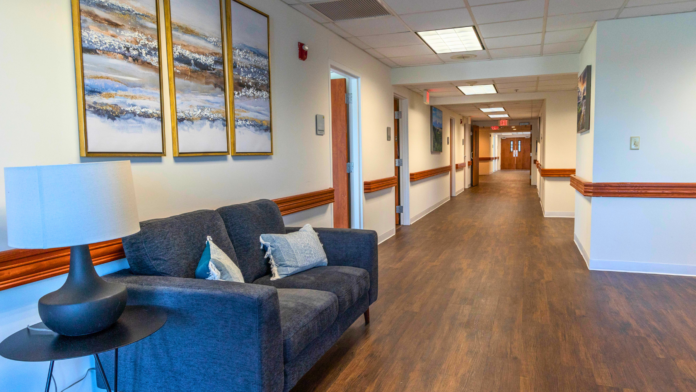
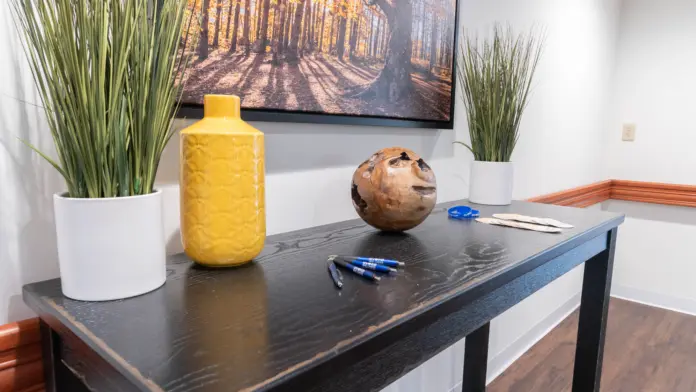
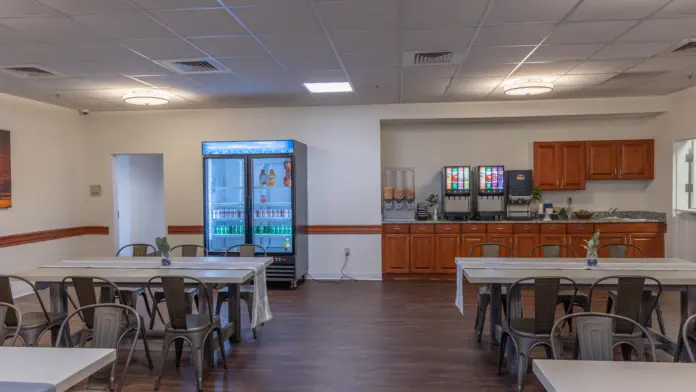
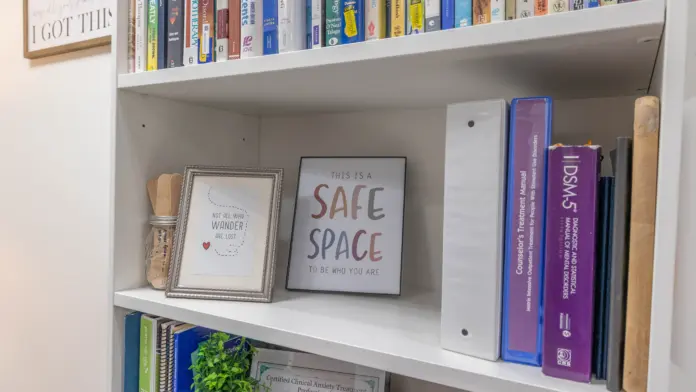
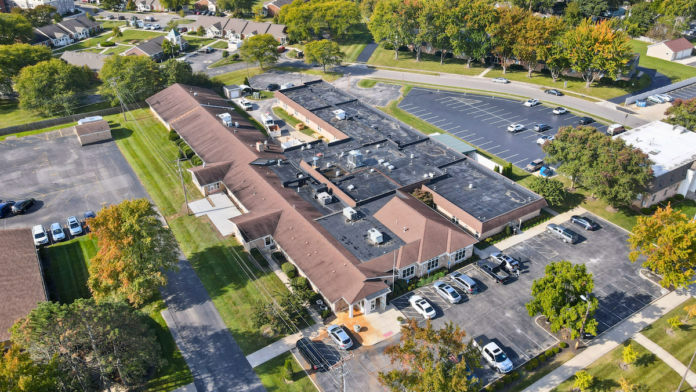
Arista Recovery Ohio provides comprehensive inpatient treatment for primary mental health and substance use disorders. Our evidence-based programs address depression, anxiety, trauma-related conditions, bipolar disorder, and substance use challenges. With 24/7 clinical support, personalized care plans, and a safe, healing environment, we help individuals stabilize, recover, and build lasting wellness.
Latest Reviews



Rehab Score
 Our Methodology


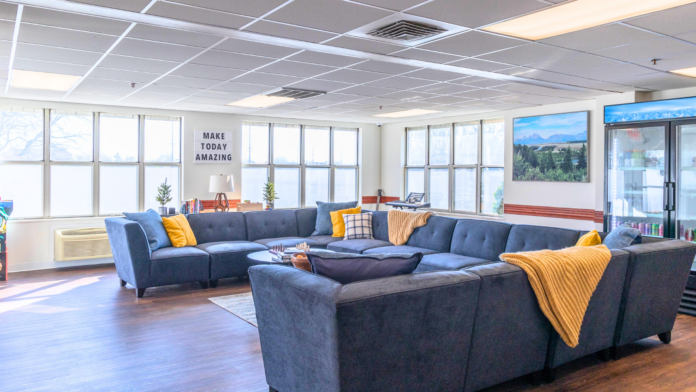
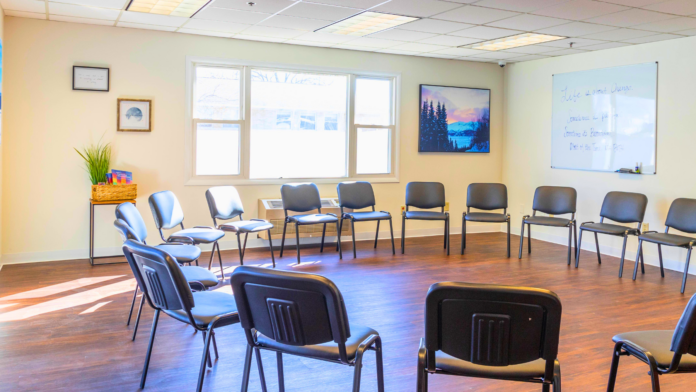
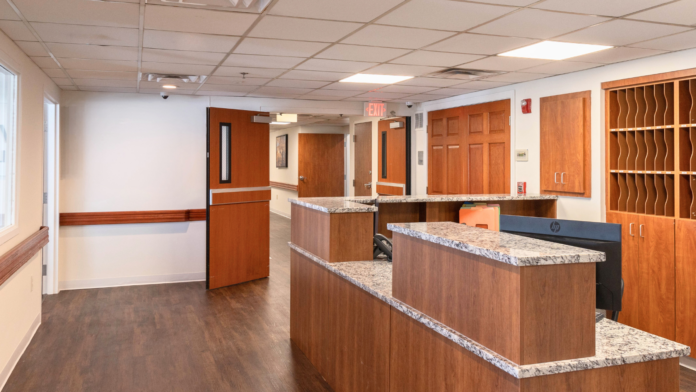
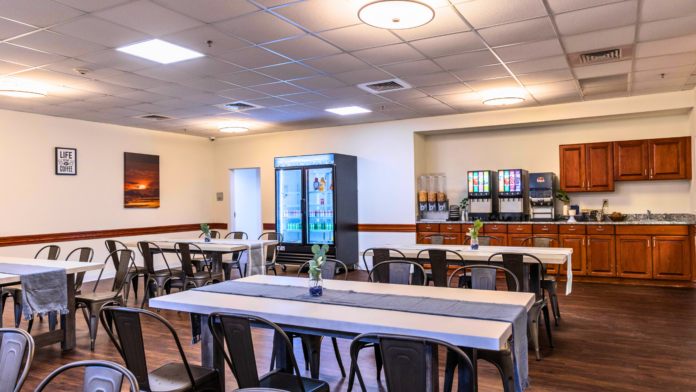
Gallery


Accepted Insurance
Other Forms of Payment
Medicaid is a state based program that helps lower-income individuals and families pay for healthcare. Medicaid covers addiction treatment so those enrolled can use their coverage to pay for rehab. When a program accepts Medicaid the client often pays very little or nothing out of their own pocket.
Military members, veterans, and eligible dependents have access to specific insurance programs that help them get the care they need. TRICARE and VA insurance can help you access low cost or no cost addiction and mental health treatment. Programs that accept military insurance often have targeted treatment focused on the unique challenges military members, veterans, and their families face.
Private insurance refers to any kind of healthcare coverage that isn't from the state or federal government. This includes individual and family plans offered by an employer or purchased from the Insurance Marketplace. Every plan will have different requirements and out of pocket costs so be sure to get the full details before you start treatment.
Self-pay involves paying for treatment out of your own pocket. You can use savings or credit, get a personal loan, or receive help from family and friends to fund your treatment. If you don't have insurance or your insurance plan doesn't cover a specific program, self-pay can help ensure you still get the care you need.
Addiction Treatments
Levels of Care
During initial recovery, withdrawal from alcohol, opiates, and benzodiazepines can involve high health risk. Attempting detox outside of 24-hour clinical care in Ohio is not recommended. This can be life-threatening because medical staff are not available to treat severe symptoms of withdrawal that often occur. Such symptoms can include seizures, delirium tremens, and extreme dehydration. In a clinical setting, staff are on-site to immediately care for your physical, emotional, and mental health needs.
Medical detox involves clearing your body of drugs and/or alcohol under the 24/7 care of licensed medical professionals. If you've become dependent on alcohol or drugs (like benzodiazepines or opioids), quitting abruptly can have uncomfortable and even dangerous side effects. The purpose of medically assisted detox is to keep you as safe and comfortable as possible during this process. Medications like Suboxone or Vivitrol may be provided if necessary to mitigate any withdrawal symptoms.
Clients who have just completed detox or who are at an increased risk of relapse, such as those experiencing a life crisis, typically enroll in an inpatient rehab. There, they receive housing, meals, and intensive clinical supervision. Inpatient treatment typically involves extensive individual, group, and family therapy. Clients may also participate in life skills training to support their long-term sobriety. Integrative rehab centers offer a variety of evidence-based holistic therapies, such as meditation or equine therapy.
Many treatment centers base their recovery models on the 12 step programming standard, which combines intensive peer support with spiritual, psychological, and emotional growth. Participants in 12 step recovery programs are expected to regularly attend group meetings, which are free, anonymous, peer-led, and open to the public. They are also required to select a sponsor to guide them through the recovery journey. These programs deploy spiritual principles to foster participants' self-understanding, forgiveness, acceptance, and accountability.
Rehab aftercare programs are designed to ensure clients receive continuing care while in the maintenance phase of recovery. Some clients may be in outpatient treatment, which is generally considered to be an element of drug rehab aftercare. The specific services provided in these programs are often determined by the client's case manager and care team in consultation with the client. Common services include peer coaching, career counseling, and 12 step program induction.
When in-person visits aren't feasible, telehealth in Ohio can allow you to get the support you need remotely. Telehealth services are provided via text messaging, video conferencing, or other telecommunication technology, so you can access care from anywhere.
Intervention services help family members prepare for a drug intervention in Ohio. During an intervention, family members typically read letters they have prepared that explain how the individual's substance abuse has affected their lives and relationships. Each family member also explains what they will do if the individual does not agree to get treatment. An intervention specialist offers support to guide this discussion and makes appropriate treatment recommendations.
Treatments
An alcohol use disorder (AUD), also commonly called alcoholism, can range from mild to severe. It involves compulsive consumption of alcohol and maladaptive patterns of drinking that lead to negative physical, social, and relational consequences. Diverse treatment programs are available for people with AUD. Mutual-support groups, medications, and behavioral treatments are provided through alcohol rehab in Ohio. If co-occurring disorders are present, it is important to receive treatment for both disorders.
Drug rehab in Ohio provides comprehensive treatment to address the physical and psychological needs of those struggling with substance use disorders. This may involve inpatient and/or outpatient care.
 Opioid Addiction
Ohio's substance abuse treatment programs can support individuals struggling with drug and alcohol use. Typically available on an outpatient or inpatient basis, these programs employ evidence-based therapies such as cognitive-behavioral therapy (CBT), dialectical behavior therapy (DBT), and holistic approaches to provide effective addiction treatment. This comprehensive approach ensures long-term sobriety, improved mental health, and coping skills to overcome risk of relapse.
In Ohio, dual-diagnosis addiction treatment programs provide specialized care for individuals with co-occurring substance use disorders and mental health conditions. These programs offer outpatient, residential drug and alcohol rehab, and intensive outpatient options. Treatment usually includes a thorough mental health assessment, tailored treatment plan, various types of therapy, and education to equip you with the tools to achieve and maintain your sobriety.
Treatment for drug and alcohol addiction addresses both the physical and the mental health impacts caused by a consistent supply of addictive substances. When addressing both an addiction and a mental health disorder simultaneously, a dual diagnosis treatment center is required. Staff are certified to deal with these complex conditions and equipped to deal with mental health emergencies that may occur.
Programs
Adult rehab programs include therapies tailored to each client's specific needs, goals, and recovery progress. They are tailored to the specific challenges adult clients may face, including family and work pressures and commitments. From inpatient and residential treatment to various levels of outpatient services, there are many options available. Some facilities also help adults work through co-occurring conditions, like anxiety, that can accompany addiction.
Clinical Services
Cognitive behavioral therapy in Ohio may occur in individual, group, or family sessions. It involves focusing on specific thought and behavior problems. Participants learn coping techniques and are asked to practice them as homework between sessions.
The main goals of dialectical behavior therapy are to teach you how to regulate your emotions, develop positive ways to cope with stress, improve your relationships, and live in the moment. This therapy lasts about six months and involves weekly individual and group sessions.
Participants of group therapy sessions typically learn coping skills, communication techniques, and relapse prevention strategies. This unique set of skills helps you to navigate the challenges you find in the community and supports your long term sobriety.
Individual therapy for drug and alcohol addiction treatment gives you a safe space to discuss your emotional, mental, and physical challenges. Your therapist will guide and support you as you collaborate to develop personalized strategies to manage your stress and navigate the challenges of your recovery.
Life skills provide stability. They increase the strengths that you bring to recovery by equipping you with the tools you need to navigate daily life. During rehab, you'll develop these strengths through life skills training that focuses on both cognitive and behavioral abilities.
Therapists who apply motivational interviewing in Ohio don't try to confront clients or force advice onto them. Instead, they listen and come alongside clients to help them explore why and how they might decide to make changes for themselves.
With trauma therapy, you can reclaim your life after witnessing or experiencing a traumatic event. Therapists help you process the memories, which promotes emotional healing and enables you to build resilience to navigate future challenges and triggers.
Amenities
-
 Art Activities
 -
 Gym
Gym -
 Residential Setting
Accreditations

The Substance Abuse and Mental Health Services Administration (SAMHSA) is a branch of the U.S. Department of Health and Human Services. Established in 1992 by congress, SAMHSA's mission is to reduce the impact of substance abuse and mental illness on American's communities.
SAMHSA Listed: Yes

The Joint Commission, formerly known as JCAHO, is a nonprofit organization that accredits rehab organizations and programs. Founded in 1951, the Joint Commision's mission is to improve the quality of patient care and demonstrating the quality of patient care.
Joint Commission Accreditation: Yes

State Licenses are permits issued by government agencies that allow rehab organizations to conduct business legally within a certain geographical area. Typically, the kind of program a rehab facility offers, along with its physical location, determines which licenses are required to operate legally.
State License: Ohio

LegitScript has reviewed Arista Recovery Ohio as part of their certification program, and has determined that it meets the LegitScript standards for legality, safety and transparency.
LegitScript verified in
Rehab.com regularly reviews this listing for accuracy but changes may occur between updates. For the most up-to-date information, please contact Arista Recovery Ohio.
Contact Information


5471 Scioto Darby Rd
Hilliard, OH 43026
Sponsored Helpline


