





























































































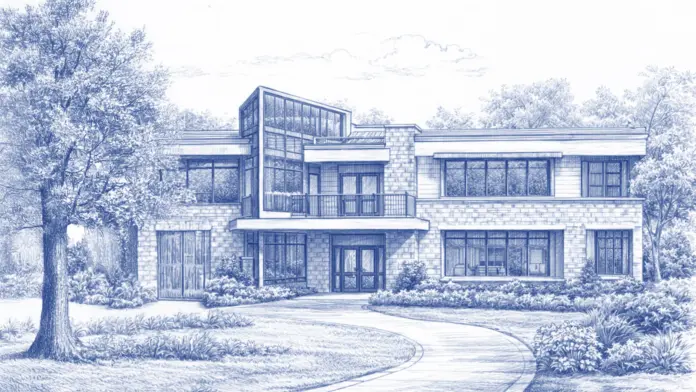
About Awakening Recovery Center LLC
Awakening Recovery Center LLC is an outpatient addiction treatment facility in Tempe, Arizona, specializing in substance use disorders and co-occurring mental health conditions. The center provides intensive outpatient programming (IOP), individual therapy, group sessions and holistic modalities including meditation and mindfulness practices to treat alcohol, opioid and stimulant addictions.
Awakening Recovery Center offers personalized, evidence based care that addresses both addiction and the underlying issues that fuel it.
Intensive Outpatient Treatment for Substance Use Disorders
Awakening Recovery Center’s core offering is its Intensive outpatient program, designed to provide comprehensive addiction treatment while allowing clients to maintain daily responsibilities. The program treats a wide range of substance use disorders, including alcohol, opioids, stimulants and both illicit and prescribed medication addictions.
Treatment integrates cognitive behavioral therapy with group therapy and holistic practices like meditation and mindfulness. Sessions focus on identifying triggers, building coping skills and creating sustainable recovery strategies that address root causes and day to day challenges.
Co-Occurring Mental Health and Family Support
The center specializes in treating co-occurring conditions such as depression and anxiety alongside addiction, recognizing that lasting recovery requires integrated mental health care. Awakening Recovery Center also offers a dedicated family program that educates and supports loved ones throughout the recovery process, helping families understand addiction and rebuild healthy dynamics.
Location, Access, and Getting Started
Awakening Recovery Center serves clients at its Tempe location on East Baseline Road, with telehealth services available for those who cannot attend in person. The facility is conveniently located in an accessible urban setting. The center accepts most major insurance plans, self pay and offers flexible financing options for qualifying clients.
Latest Reviews



Rehab Score
 Our Methodology


Location
Other Forms of Payment
Private insurance refers to any kind of healthcare coverage that isn't from the state or federal government. This includes individual and family plans offered by an employer or purchased from the Insurance Marketplace. Every plan will have different requirements and out of pocket costs so be sure to get the full details before you start treatment.
Self-pay involves paying for treatment out of your own pocket. You can use savings or credit, get a personal loan, or receive help from family and friends to fund your treatment. If you don't have insurance or your insurance plan doesn't cover a specific program, self-pay can help ensure you still get the care you need.
Financing your treatment can make treatment more accessible. You'll work with your care provider to set up payment plans, including interest rates and repayment timelines. Financing options vary widely and not all programs offer them, so be sure to get the full details before enrolling in treatment. If you have insurance or other benefits, financing may help you cover your remaining out of pocket expenses.
Addiction Treatments
Levels of Care
Intensive inpatient programs (IOP) offer high-level support for clients in early recovery, those exiting detox or inpatient rehabs, and those at an elevated risk of relapse. Intensive outpatient treatment typically includes rigorous individual, group, and family counseling. Evidence-based complementary therapies, such as acupuncture and massage, are widely available. Medication assisted treatment (MAT) may be provided. Clients in IOP receive a minimum of nine hours of treatment per week but may engage in up to 20 treatment hours weekly.
Many clients who enroll in an outpatient rehab program are exiting intensive inpatient care and no longer require such high-level clinical supervision. Outpatient programs typically follow a step-down structure, with treatment frequency and intensity decreasing as clients progress in their recovery journey. Partial hospitalization (PHP) and intensive outpatient (IOP) levels of care are the most time-intensive and are designed primarily for clients who have just left inpatient treatment or who are at an elevated risk of relapse.
Telehealth in Arizona lets you speak with your health care provider online via smartphone or computer. You can call, video chat, or send messages from wherever is convenient for you, rather than seeing your provider in person.
Treatments
Alcohol use disorder (AUD), also referred to as alcoholism and alcohol addiction, is a chronic condition that involves craving alcohol and an inability to control drinking. A person with AUD must drink greater and greater amounts of alcohol to achieve the same effects and experiences withdrawal symptoms if they stop drinking alcohol. Several evidence-based methods are available to treat AUD through alcohol rehab in Arizona. This treatment can occur on an outpatient or inpatient basis.
 Opioid Addiction
Drug rehab in Arizona is the process of treating individuals who are dependent on a particular addictive drug. Because addiction is complex, this treatment typically includes a variety of interventions that address the many physical and emotional issues involved.
Arizona's substance abuse treatment centers can provide tailored treatment for individuals with substance use disorders and mental health conditions. Treatment programs may include medically assisted detox, 12-Step recovery, intensive outpatient programs, and aftercare support. Addiction experts employ evidence-based therapies like cognitive behavioral therapy (CBT), dialectical behavioral therapy (DBT), and talk therapy to uncover and reframe unhelpful patterns. By graduation, you'll have developed new coping strategies, learned new stress management techniques, and have the capability of sustaining your recovery.
Treatment for addiction includes mental health services that are provided while during your stay at the facility. This may be a hospital, clinic, or a luxury treatment center setting. You receive 24-hour support and monitoring by mental health counselors and clinical staff. Most inpatient programs last 30 days, but some can last for two months or longer. Mental health is addressed during treatment via group and individual counseling, addiction education programming, and often recreational activities.
Dual-diagnosis addiction treatment in Arizona provides integrated care for individuals with co-occurring substance use disorders and mental health conditions. Services may include medically assisted detox, 12-Step recovery, intensive outpatient programs, and aftercare support. Addiction experts use evidence-based therapies, like cognitive behavioral therapy, or dialectical behavioral therapy, and trauma-focused therapy, to simultaneously address substance use and mental health disorders. This comprehensive approach to treatment helps to ensure sustained recovery.
Clinical Services
Also known as CBT, cognitive behavioral therapy in Arizona is one of the most common types of psychotherapy. It offers a structured method of counseling that effectively treats substance use disorder and dual diagnosis disorders.
In Arizona, group therapy helps promote accountability and motivation for men and women who want to stay committed to addiction recovery. It fosters a sense of community where you can share your progress and learn new coping strategies from your peers.
Amenities
-
 Metropolitan Area
Rehab.com regularly reviews this listing for accuracy but changes may occur between updates. For the most up-to-date information, please contact Awakening Recovery Center LLC.
Contact Information


1204 E Baseline Rd UNIT 208, Tempe, AZ 85283
Sponsored Helpline


