





























































































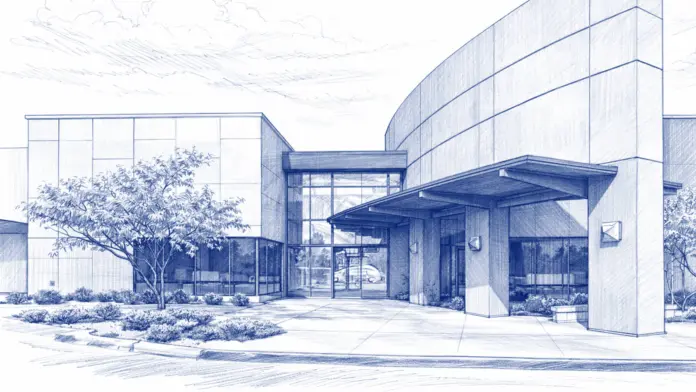
About KAV Health Group, LLC
KAV Health Group, LLC provides addiction recovery and mental health for adults in Dayton and across Ohio.
The team treats substance use disorders and co-occurring mental health conditions with a strong focus on opioid addiction and Suboxone-based recovery.
KAV is built around accessible, compassionate care aiming to make treatment feel human.
Suboxone Opioid Addiction Treatment
KAV’s core specialty is medication-assisted treatment for opioid recovery with Suboxone highlighted as a central tool.
The practice treats a wide range of substances, including heroin, fentanyl, alcohol, methamphetamine, cocaine and more, all supported by a multidisciplinary team of psychiatrists, licensed therapists, nurses and peer specialists.
Treatment pairs medication assisted treatment with counseling, therapy and methods like CBT and DBT.
Patients also receive case management and psychiatric medication management addressing both the physical and underlying causes of addiction.
Flexible Care and Virtual Treatment
KAV offers a full continuum of outpatient care including a Partial Hospitalization Program and Intensive Outpatient Program that combine therapy, group support and holistic wellness.
Their strong telehealth model provides HIPAA-compliant video treatment and same-day appointments to reduce barriers to getting started.
Latest Reviews



Rehab Score
 Our Methodology


Location
Accepted Insurance
Other Forms of Payment
Medicaid is a state based program that helps lower-income individuals and families pay for healthcare. Medicaid covers addiction treatment so those enrolled can use their coverage to pay for rehab. When a program accepts Medicaid the client often pays very little or nothing out of their own pocket.
Private insurance refers to any kind of healthcare coverage that isn't from the state or federal government. This includes individual and family plans offered by an employer or purchased from the Insurance Marketplace. Every plan will have different requirements and out of pocket costs so be sure to get the full details before you start treatment.
Self-pay involves paying for treatment out of your own pocket. You can use savings or credit, get a personal loan, or receive help from family and friends to fund your treatment. If you don't have insurance or your insurance plan doesn't cover a specific program, self-pay can help ensure you still get the care you need.
Addiction Treatments
Levels of Care
Outpatient rehabs offer robust wraparound care for clients who are stepping down from intensive inpatient care, with many facilities providing multiple levels of care, including partial hospitalization (PHP), intensive outpatient (IOP), sober living/halfway housing, and standard outpatient programming. Clients may also elect to enroll in outpatient care immediately after completing inpatient detox. Those who are at lower risk of withdrawal complications may also choose to receive ambulatory medical detox from an outpatient facility. Outpatient programs typically involve addiction counseling, recovery education, and/or medication assisted treatment (MAT). Holistic therapies, such as art and music therapy, are commonly available.
Treatments
 Opioid Addiction
 Mental Health And Substance Abuse
Programs
Adult rehab programs include therapies tailored to each client's specific needs, goals, and recovery progress. They are tailored to the specific challenges adult clients may face, including family and work pressures and commitments. From inpatient and residential treatment to various levels of outpatient services, there are many options available. Some facilities also help adults work through co-occurring conditions, like anxiety, that can accompany addiction.
Clinical Services
Individual therapy for drug and alcohol addiction treatment gives you a safe space to discuss your emotional, mental, and physical challenges. Your therapist will guide and support you as you collaborate to develop personalized strategies to manage your stress and navigate the challenges of your recovery.
Participants of group therapy sessions typically learn coping skills, communication techniques, and relapse prevention strategies. This unique set of skills helps you to navigate the challenges you find in the community and supports your long term sobriety.
Accreditations

The Joint Commission, formerly known as JCAHO, is a nonprofit organization that accredits rehab organizations and programs. Founded in 1951, the Joint Commision's mission is to improve the quality of patient care and demonstrating the quality of patient care.
Joint Commission Accreditation: Yes

State Licenses are permits issued by government agencies that allow rehab organizations to conduct business legally within a certain geographical area. Typically, the kind of program a rehab facility offers, along with its physical location, determines which licenses are required to operate legally.
State License: Ohio
Rehab.com regularly reviews this listing for accuracy but changes may occur between updates. For the most up-to-date information, please contact KAV Health Group, LLC.
Contact Information


5563 Far Hills Ave, Dayton, OH 45429
Sponsored Helpline

