






























































































I attended Miracle Lake in 2003 and the staff truly had an impact on my life that has made me into the man, the husband, and the father I am today. I recommend MiracleLake to anyone who truly wants a relationship with Jesus and a drug and alcohol free life. Miracle Lake was ...
About Miracle Lake Inc
Miracle Lake Christian Training Center in Etowah, Tennessee, uses Biblical methods to treat men with substance use disorders. By initiating a relationship with Jesus Christ, students accept His diagnosis as sin and substance use as a life habit that can be controlled. They opened back in 1980.
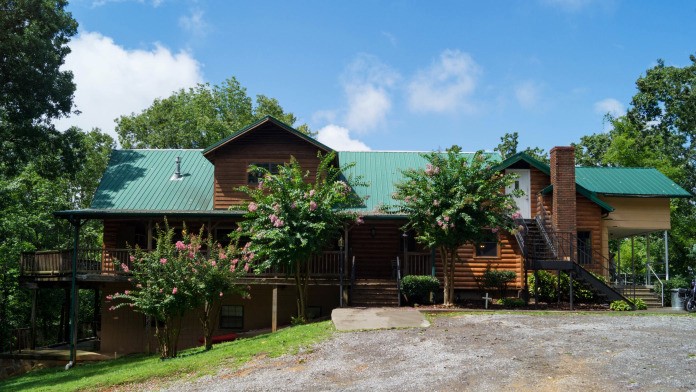
The rustic center sits on over 170 acres and offers walking trails around a lake that’s 11 acres, which promotes recovery and relaxation. The beauty of God’s creation all around the trail is a reminder of why each student has come for help and change.
Men attend Bible classes, group and recreational therapy, individual and marriage counseling and worship services. Job placement programs are also available for those who need help finding steady work.
Treatment Length in Three Programs
There are three different tracks students can enroll in. The first is an established 12 weeks. The second ends when the student has succeeded in treatment.
The third part is a transitional living program after completing phase one or two. The transitional living program is a facility at a different location.
Addiction Treatment in Five Phases
God’s regeneration program consists of five phases. The first phase is to repent, which means to change your mind. Students must decide that instead of doing whatever they want they will serve God.
The second phase is having faith that God alone can deliver you and set you free from your addiction. The third phase, mind renewal, is the process of reprogramming your mind so that you can live a Christian lifestyle.
The fourth phase is to learn to become interdependent on other Christians, “the church”. Christians depend on the prayers and help of other Christians to overcome obstacles.
The fifth phase is the life beyond. We serve God and strive to live Godly so that we can reap the rewards promised to us by the Father.
Latest Reviews
I’m very thankful for miracle Lake and all they did for my son! I’m thankful for the men that are obedient to the word of God and teach it in its fullness.
Miracle Lake really is a Miracle place! They not only help restore families, they help these men have a relationship with our Saviour, Jesus Christ! They utilize the Bible as the main tool for their teachings! I'm a witness to my loved one's positive change, he now has a salvation with our Lord Jesus and he couldn't be more grateful.
Thank you God, for You are so good to us!!! Thank you Miracle Lake! 🙏✝️💗
There is no where else like Miracle Lake. I am a recent grad. I thank God everyday for Miracle Lake

Rehab Score
 Our Methodology
Scoring is assigned by a proprietary system which helps surface key metrics that determine quality. The 10-point scale factors in categories such as operations, customer satisfaction, and trust metrics. Read Full Methodology

6.2 / 10
Gallery
Other Forms of Payment
Private insurance refers to any kind of healthcare coverage that isn't from the state or federal government. This includes individual and family plans offered by an employer or purchased from the Insurance Marketplace. Every plan will have different requirements and out of pocket costs so be sure to get the full details before you start treatment.
Self-pay involves paying for treatment out of your own pocket. You can use savings or credit, get a personal loan, or receive help from family and friends to fund your treatment. If you don't have insurance or your insurance plan doesn't cover a specific program, self-pay can help ensure you still get the care you need.
Addiction Treatments
Levels of Care
They also offer a transitional living program after graduation as well. The transitional living facility is at a different location and is geared for learning how to keep God first as the patient enters into the work force. During this phase of the program they offer job placement, money management class, group therapy and various other beneficial activities. This program is highly recommended if the patient is looking for a life changing experience.
Residential treatment programs are those that offer housing and meals in addition to substance abuse treatment. Rehab facilities that offer residential treatment allow patients to focus solely on recovery, in an environment totally separate from their lives. Some rehab centers specialize in short-term residential treatment (a few days to a week or two), while others solely provide treatment on a long-term basis (several weeks to months). Some offer both, and tailor treatment to the patient's individual requirements.
Treatments
The goal of treatment for alcoholism is abstinence. Those with poor social support, poor motivation, or psychiatric disorders tend to relapse within a few years of treatment. For these people, success is measured by longer periods of abstinence, reduced use of alcohol, better health, and improved social functioning. Recovery and Maintenance are usually based on 12 step programs and AA meetings.
When your day-to-day life is taken over by drug use, this is known as substance use disorder. If you abruptly stop using your drug of choice, you experience withdrawal symptoms. To overcome this cycle, professional drug rehab in Tennessee is usually needed.
Substance rehabs focus on helping individuals recover from substance abuse, including alcohol and drug addiction (both illegal and prescription drugs). They often include the opportunity to engage in both individual as well as group therapy.
Programs
Adult rehab programs include therapies tailored to each client's specific needs, goals, and recovery progress. They are tailored to the specific challenges adult clients may face, including family and work pressures and commitments. From inpatient and residential treatment to various levels of outpatient services, there are many options available. Some facilities also help adults work through co-occurring conditions, like anxiety, that can accompany addiction.
Young adulthood can be an exciting, yet difficult, time of transition. Individuals in their late teens to mid-20s face unique stressors related to school, jobs, families, and social circles, which can lead to a rise in substance use. Rehab centers with dedicated young adult programs will include activities and amenities that cater to this age group, with an emphasis on specialized counseling, peer socialization, and ongoing aftercare.
Clinical Services
Group therapy is any therapeutic work that happens in a group (not one-on-one). There are a number of different group therapy modalities, including support groups, experiential therapy, psycho-education, and more. Group therapy involves treatment as well as processing interaction between group members.
In individual therapy, a patient meets one-on-one with a trained psychologist or counselor. Therapy is a pivotal part of effective substance abuse treatment, as it often covers root causes of addiction, including challenges faced by the patient in their social, family, and work/school life.
While engaged in couples therapy in Tennessee, you'll learn how to trust, communicate, forgive, and manage emotions. Developing these skills can be beneficial at any time during the relationship, but they are particularly crucial when facing life challenges.
Family therapy uses a structured environment to address the complexities of addiction and the negative influences it has on the family unit. Therapists work with family members to develop effective coping and communication strategies that support their loved one's recovery while also focusing on the health and well being of each family member.
Life skills trainings involve all the skills a person must have in order to function successfully in the world. These include time management, career guidance, money management, and effective communication. Truly successful addiction recovery is based on the ability to not only live substance-free, but to thrive. Life skills teaches the practical necessities of functioning in society, which sets clients up for success in life, and therefore sobriety.
Recreational therapy (aka therapeutic recreation) uses creative and fun activities to help with addiction recovery. Recreational therapists lead patients in entertaining and engaging activities like sports or games; art (drawing, painting, sculpture); drama, music, and dance; and/or community outings (field trips) to improve patients' physical, social, and emotional well-being.
Amenities
-
 Private Setting
 -
 Lakeside
Staff
Byron Goodman
Executive Director
Jack Bryan
Pastor, Teacher, Founder
Mark Doran
Office Manager
Jeremy Helton
Project Manager
Rehab.com regularly reviews this listing for accuracy but changes may occur between updates. For the most up-to-date information, please contact Miracle Lake Inc.
Contact Information

182 Co Rd 498
Etowah, TN 37331
Get Help Now - 423-225-6564
Sponsored Helpline
Sponsored Helpline



