





























































































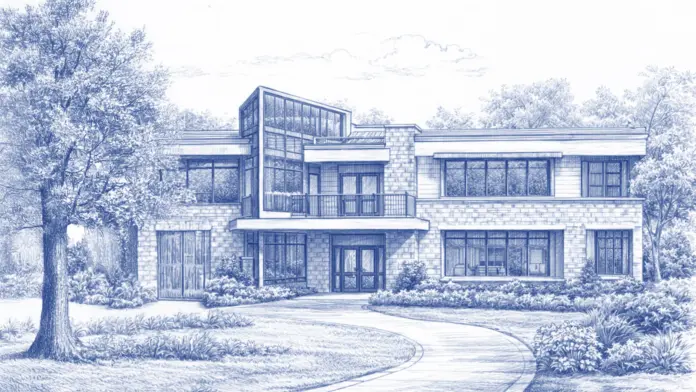
About Professional Psychiatric Services
Professional Psychiatric Services is a substance use treatment program in West Chester Township, Ohio, offering outpatient addiction care alongside comprehensive psychiatric services.
Located on Cincinnati Columbus Rd, the practice treats children, adolescents and adults with tailored care for each age group.
Their approach combines evidence based therapies, medication support and treatment for co-occurring mental health conditions to support lasting recovery.
Addiction Treatment Programs at Professional Psychiatric Services
Care is delivered through flexible outpatient services, allowing individuals to maintain daily responsibilities while receiving treatment for substance related disorders.
The team also provides medication assisted treatment (MAT) to help support recovery from addiction.
Clients can expect proven therapies such as Cognitive Behavioral Therapy (CBT) and Transcranial Magnetic Stimulation (TMS), along with ketamine and integrated care for co-occurring conditions like depression, anxiety and PTSD.
This dual focus addresses both addiction and underlying mental health needs.
Quick Facts About Professional Psychiatric Services
- Location: West Chester Township, Ohio, in a convenient and accessible setting
- Levels of care: Outpatient addiction treatment and psychiatric services
- Who they treat: Children, adolescents and adults, with an age range of 6 to 70
- Approach: Evidence based care including CBT, TMS, ketamine and MAT
- Co-occurring care: Treatment for depression, anxiety and PTSD alongside addiction
- Payment options: Self-pay, payment plans, Medicaid, Medicare and major insurance plans
- Accreditation: Accredited facility partnering with organizations to uphold high standards
Latest Reviews



Rehab Score
 Our Methodology


Location
Accepted Insurance
Other Forms of Payment
Financial aid can take many forms. Centers may have grants or scholarships available to clients who meet eligibility requirements. Programs that receive SAMHSA grants may have financial aid available for those who need treatment as well. Grants and scholarships can help you pai for treatment without having to repay.
Medicaid is a state based program that helps lower-income individuals and families pay for healthcare. Medicaid covers addiction treatment so those enrolled can use their coverage to pay for rehab. When a program accepts Medicaid the client often pays very little or nothing out of their own pocket.
Medicare is a federal program that provides health insurance for those 65 and older. It also serves people under 65 with chronic and disabling health challenges. To use Medicare for addiction treatment you need to find a program that accepts Medicare and is in network with your plan. Out of pocket costs and preauthorization requirements vary, so always check with your provider.
Self-pay involves paying for treatment out of your own pocket. You can use savings or credit, get a personal loan, or receive help from family and friends to fund your treatment. If you don't have insurance or your insurance plan doesn't cover a specific program, self-pay can help ensure you still get the care you need.
Addiction Treatments
Levels of Care
Outpatient rehabs offer robust wraparound care for clients who are stepping down from intensive inpatient care, with many facilities providing multiple levels of care, including partial hospitalization (PHP), intensive outpatient (IOP), sober living/halfway housing, and standard outpatient programming. Clients may also elect to enroll in outpatient care immediately after completing inpatient detox. Those who are at lower risk of withdrawal complications may also choose to receive ambulatory medical detox from an outpatient facility. Outpatient programs typically involve addiction counseling, recovery education, and/or medication assisted treatment (MAT). Holistic therapies, such as art and music therapy, are commonly available.
Treatments
An alcohol use disorder (AUD), also commonly called alcoholism, can range from mild to severe. It involves compulsive consumption of alcohol and maladaptive patterns of drinking that lead to negative physical, social, and relational consequences. Diverse treatment programs are available for people with AUD. Mutual-support groups, medications, and behavioral treatments are provided through alcohol rehab in Ohio. If co-occurring disorders are present, it is important to receive treatment for both disorders.
 Opioid Addiction
Drug rehab in Ohio provides comprehensive treatment to address the physical and psychological needs of those struggling with substance use disorders. This may involve inpatient and/or outpatient care.
Ohio's substance abuse treatment programs can support individuals struggling with drug and alcohol use. Typically available on an outpatient or inpatient basis, these programs employ evidence-based therapies such as cognitive-behavioral therapy (CBT), dialectical behavior therapy (DBT), and holistic approaches to provide effective addiction treatment. This comprehensive approach ensures long-term sobriety, improved mental health, and coping skills to overcome risk of relapse.
Treatment for drug and alcohol addiction addresses both the physical and the mental health impacts caused by a consistent supply of addictive substances. When addressing both an addiction and a mental health disorder simultaneously, a dual diagnosis treatment center is required. Staff are certified to deal with these complex conditions and equipped to deal with mental health emergencies that may occur.
In Ohio, dual-diagnosis addiction treatment programs provide specialized care for individuals with co-occurring substance use disorders and mental health conditions. These programs offer outpatient, residential drug and alcohol rehab, and intensive outpatient options. Treatment usually includes a thorough mental health assessment, tailored treatment plan, various types of therapy, and education to equip you with the tools to achieve and maintain your sobriety.
Programs
Teen programs are designed to address the unique pressures teens face, pressures that can drive them to experiment with dangerous, addictive substances. They need programs that meet them exactly where they are and give them tools for long-term recovery. Therapy can help teenagers understand and work through underlying issues so they can reclaim the life ahead of them.
Adult rehab programs include therapies tailored to each client's specific needs, goals, and recovery progress. They are tailored to the specific challenges adult clients may face, including family and work pressures and commitments. From inpatient and residential treatment to various levels of outpatient services, there are many options available. Some facilities also help adults work through co-occurring conditions, like anxiety, that can accompany addiction.
The providers who specialize in the children's rehab space understand the specialized needs that this population faces. School-based and social services such as tutoring and family counseling are often central to treatment. Child programs may also address the needs of youth experiencing substance abuse in the home, including a parent's or sibling's addiction.
Clinical Services
Cognitive behavioral therapy in Ohio may occur in individual, group, or family sessions. It involves focusing on specific thought and behavior problems. Participants learn coping techniques and are asked to practice them as homework between sessions.
Rehab.com regularly reviews this listing for accuracy but changes may occur between updates. For the most up-to-date information, please contact Professional Psychiatric Services.
Contact Information


9117 Cincinnati Columbus Rd, West Chester Township, OH 45069
Sponsored Helpline


