





























































































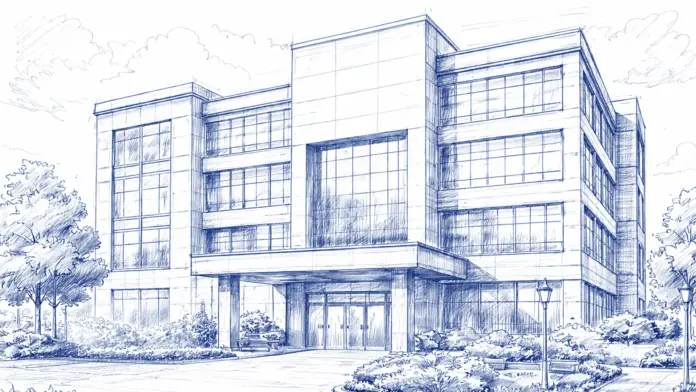
About Protected Roots Integrative Treatment Center
Protected Roots Integrative Treatment Center is a licensed and accredited mental health and drug rehab clinic that supports teens and young people. Most major health insurance providers are accepted, and self-pay is available.
Holistic Partial Hospitalization Programming (PHP) For Addiction
The center prides itself on its integrated approach to mental health and addiction treatment. Its holistic programming is structured such that PHP offers a personalized and therapeutic mix of activities. You can expect to engage in up to seven hours of treatment per day, 5 days a week.
It also includes a minimum of 20 hours of counseling per week, addressing key touchpoints in your mental health and addiction recovery journey, helping you get to the root of your issues.
The program features two separate tracks, with one designed for teens aged 10-17, while the other is available to young adults aged 18-26.
Intensive Outpatient Programming (IOP) For Teens & Young Adults
This facility is proud to be San Diego’s only clinical IOP facility that specializes in primary addiction treatment for teens. Its unique approach pulls inspiration from existing and proven frameworks like Community Reinforcement and Family Training (CRAFT), and the Adolescent Recovery Capital Model (ARC).
For context, the ARC framework is about building on clients’ strengths in aspects like physical health, self-awareness, and social support, to bolster success in recovery. Meanwhile, CRAFT helps family and loved ones communicate without judgement, reinforce self-care, and communicate without judgement by helping them better understand the motivation behind recovery.
Latest Reviews


For clarity, Dr. Warter currently serves in an executive, non-clinical role at Protected Roots Integrative Treatment Center and does not provide clinical services through this practice. We are grateful for your support and feedback.

For clarity, Dr. Warter currently serves in an executive, non-clinical role at Protected Roots Integrative Treatment Center and does not provide clinical services through this program. We are grateful for your feedback and wish your family continued growth and well-being.

Rehab Score
 Our Methodology


Location
Accepted Insurance
Other Forms of Payment
Private insurance refers to any kind of healthcare coverage that isn't from the state or federal government. This includes individual and family plans offered by an employer or purchased from the Insurance Marketplace. Every plan will have different requirements and out of pocket costs so be sure to get the full details before you start treatment.
Addiction Treatments
Levels of Care
Commonly known as "day treatment," a partial hospitalization program (PHP) is an intensive form of outpatient treatment where clients meet during the day and return home in the evening. PHP treatment doesn't require 24-hour care and often serves as an alternative to inpatient hospitalization or a step-down after a residential program. With PHP treatment, you can receive daily support for 6 to 8 hours which includes evidence-based therapies and medication management. The cost of PHP treatment typically varies but averages 90 days.
Intensive outpatient programs (IOP) support a client's sustained sobriety as they exit detox or step down from an inpatient program. IOPs are also designed for clients who are at an elevated risk of relapse. Intensive outpatient treatment typically requires clients to engage in a minimum of nine hours of therapy per week, but clients may receive up to 20 therapeutic hours weekly. IOP treatment modalities often combine psychotherapy, recovery-focused life skills training, and medication assisted treatment (MAT).
Clients receiving treatment at an outpatient rehab typically do not require hospitalization or intensive supervision and support. Outpatient addiction counseling and recovery education are often offered during the morning, evening, night, and weekend, allowing clients to tailor treatment to their own schedule. Partial hospitalization (PHP) and intensive outpatient (IOP) programs are the most time-intensive and are designed for clients who are at an increased relapse risk and/or who need more robust therapeutic support.
Treatments
In California, substance abuse treatment programs can help individuals with any type of substance use disorders and co-occurring conditions. These rehab programs typically encompass various levels of care, including medically assisted detox, intensive outpatient, outpatient, residential rehab, and partial hospitalization. You can expect clinicians to utilize evidence-based therapies like cognitive behavioral therapy (CBT), dialectical behavioral therapy (DBT), and mindfulness to help you achieve and sustain your recovery. The rehab's clinical team can provide a comprehensive assessment to determine the appropriate level of care and medical support you may need.
Inpatient treatment for drug and alcohol addiction with a focus on mental health is a good fit for people who need closer monitoring and care. Treatment may occur in a hospital setting, a clinic, or a luxury rehab center. Mental health counselors and staff are available 24/7. Therapies typically include group and individual counseling, relapse prevention education, and emotional coping skills training.
Programs
Teen programs are designed to address the unique pressures teens face, pressures that can drive them to experiment with dangerous, addictive substances. They need programs that meet them exactly where they are and give them tools for long-term recovery. Therapy can help teenagers understand and work through underlying issues so they can reclaim the life ahead of them.
Young adulthood can be an exciting, yet difficult, time of transition. Individuals in their late teens to mid-20s face unique stressors related to school, jobs, families, and social circles, which can lead to a rise in substance use. Rehab centers with dedicated young adult programs will include activities and amenities that cater to this age group, with an emphasis on specialized counseling, peer socialization, and ongoing aftercare.
Clinical Services
Cognitive behavioral therapy in California is a method that therapists often use for the effective treatment of substance use disorders. It is based on the principle that substance abuse stems from unhelpful ways of thinking and patterns of behavior, which can be changed by helping the individual learn better ways of coping.
While participating in dialectical behavior therapy in California, you'll focus on four key areas of skill development: mindfulness, interpersonal effectiveness, emotion regulation, and distress tolerance. Treatment includes weekly individual and group sessions.
Family therapy offers a platform for members to have an open dialogue about the challenges that addiction has placed on the family unit. Through guided sessions, therapists can help families develop healthy communication skills and address unresolved issues. By working together toward a common goal, they help to support their loved one's sobriety.
During group therapy, men and women learn to express their emotions openly in a non judgmental setting. This helps you process your feelings and reduces feelings of social isolation that are often associated with addiction.
Individual therapy for drug addiction includes a customized treatment plan that considers your history and life circumstances. During your therapy sessions, the therapist helps you uncover underlying issues and triggers for addictive behavior that support a holistic approach to recovery.
While in rehab treatment, you may work on developing various life skills to help you in long term recovery. These may include resilience, interpersonal skills, and self awareness. The focus will be on developing healthy habits for self care and relationships so you have the skills you need to manage day to day life.
Accreditations

The Joint Commission, formerly known as JCAHO, is a nonprofit organization that accredits rehab organizations and programs. Founded in 1951, the Joint Commision's mission is to improve the quality of patient care and demonstrating the quality of patient care.
Joint Commission Accreditation: Yes
Rehab.com regularly reviews this listing for accuracy but changes may occur between updates. For the most up-to-date information, please contact Protected Roots Integrative Treatment Center.
Contact Information


7817 Herschel Ave #101-102, La Jolla, CA 92037
Sponsored Helpline

