





























































































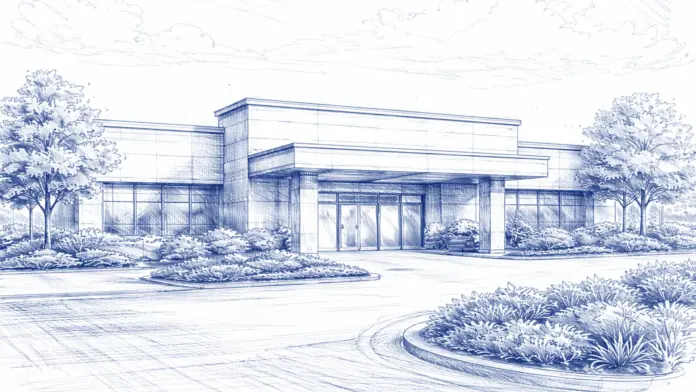
About Sage Counseling
Sage Counseling is a Tempe, Arizona counseling provider offering outpatient substance abuse and mental health treatment.
The practice delivers therapy for those managing addiction, co-occurring mental health conditions and justice involved concerns.
Sage Counseling is committed to meeting clients where they are, providing accessible and personalized care that supports lasting change.
Outpatient Substance Abuse Treatment
Sage Counseling’s core focus is outpatient substance abuse treatment tailored to each client’s unique needs.
Clients can access individual counseling sessions as well as group therapy alongside others working toward similar recovery goals.
Sessions are designed to address both addiction and any co-occurring mental health conditions through specialized counseling.
This dual focus helps clients uncover the underlying issues driving substance use while building practical tools for recovery and stability.
Justice Involved Programs
Beyond addiction care, Sage Counseling offers specialty programs for individuals involved with the criminal justice system.
These include DUI/DWI education and treatment focused on prevention, as well as domestic violence offender treatment addressing the behaviors and attitudes tied to domestic violence.
Next Steps
Sage Counseling serves clients from its office at 4435 S Rural Rd in Tempe, Arizona with teletherapy available for those who prefer virtual appointments.
The practice is open Monday through Friday to support individuals across a range of counseling needs.
To ease financial barriers, Sage Counseling offers a sliding fee scale and flexible payment plans to help manage treatment costs.

Rehab Score
 Our Methodology


Location
Other Forms of Payment
Sliding scale payments are based on a client's income and family size. The goal is to make treatment affordable to everyone. By taking these factors into account, addiction recovery care providers help ensure that your treatment does not become a financial burden to you or your family, eliminating one barrier to care.
Addiction Treatments
Levels of Care
Many clients who enroll in an outpatient rehab program are exiting intensive inpatient care and no longer require such high-level clinical supervision. Outpatient programs typically follow a step-down structure, with treatment frequency and intensity decreasing as clients progress in their recovery journey. Partial hospitalization (PHP) and intensive outpatient (IOP) levels of care are the most time-intensive and are designed primarily for clients who have just left inpatient treatment or who are at an elevated risk of relapse.
Telehealth in Arizona lets you speak with your health care provider online via smartphone or computer. You can call, video chat, or send messages from wherever is convenient for you, rather than seeing your provider in person.
Treatments
Alcohol use disorder (AUD), also referred to as alcoholism and alcohol addiction, is a chronic condition that involves craving alcohol and an inability to control drinking. A person with AUD must drink greater and greater amounts of alcohol to achieve the same effects and experiences withdrawal symptoms if they stop drinking alcohol. Several evidence-based methods are available to treat AUD through alcohol rehab in Arizona. This treatment can occur on an outpatient or inpatient basis.
 Opioid Addiction
Drug rehab in Arizona is the process of treating individuals who are dependent on a particular addictive drug. Because addiction is complex, this treatment typically includes a variety of interventions that address the many physical and emotional issues involved.
Arizona's substance abuse treatment centers can provide tailored treatment for individuals with substance use disorders and mental health conditions. Treatment programs may include medically assisted detox, 12-Step recovery, intensive outpatient programs, and aftercare support. Addiction experts employ evidence-based therapies like cognitive behavioral therapy (CBT), dialectical behavioral therapy (DBT), and talk therapy to uncover and reframe unhelpful patterns. By graduation, you'll have developed new coping strategies, learned new stress management techniques, and have the capability of sustaining your recovery.
Treatment for addiction includes mental health services that are provided while during your stay at the facility. This may be a hospital, clinic, or a luxury treatment center setting. You receive 24-hour support and monitoring by mental health counselors and clinical staff. Most inpatient programs last 30 days, but some can last for two months or longer. Mental health is addressed during treatment via group and individual counseling, addiction education programming, and often recreational activities.
Dual-diagnosis addiction treatment in Arizona provides integrated care for individuals with co-occurring substance use disorders and mental health conditions. Services may include medically assisted detox, 12-Step recovery, intensive outpatient programs, and aftercare support. Addiction experts use evidence-based therapies, like cognitive behavioral therapy, or dialectical behavioral therapy, and trauma-focused therapy, to simultaneously address substance use and mental health disorders. This comprehensive approach to treatment helps to ensure sustained recovery.
Clinical Services
Also known as CBT, cognitive behavioral therapy in Arizona is one of the most common types of psychotherapy. It offers a structured method of counseling that effectively treats substance use disorder and dual diagnosis disorders.
In Arizona, group therapy helps promote accountability and motivation for men and women who want to stay committed to addiction recovery. It fosters a sense of community where you can share your progress and learn new coping strategies from your peers.
Individual therapy for drug and alcohol addiction includes focused attention on the unique challenges that trigger addictive behavior. During individual therapy sessions, you have a safe space in which to discuss stressors and emotional struggles. Therapy fosters trust and open communication that helps develop personalized strategies to overcome addiction.
Rehab.com regularly reviews this listing for accuracy but changes may occur between updates. For the most up-to-date information, please contact Sage Counseling.
Contact Information


4435 S Rural Rd #5, Tempe, AZ 85282
Sponsored Helpline


