





























































































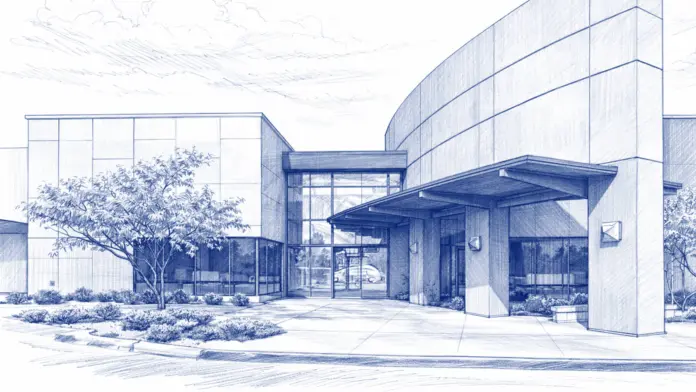
About Sunrise Health & Wellness Center
Sunrise Health & Wellness Center is an opioid-focused addiction treatment center in Rancho Cordova, California providing specialized outpatient care for adults across Sacramento and Amador Counties.
The clinic combines medication assisted treatment with counseling, recovery support and evidence based therapies to help people overcome opioid use disorder.
Patients frequently praise the supportive, nonjudgmental staff and the program’s family like and effective approach to care.
What kinds of opioid treatment are offered?
Sunrise provides outpatient opioid treatment centered on medication assisted treatment using methadone, buprenorphine and naltrexone.
Services include intake and assessment, physician led physicals, DSM 5 diagnoses, treatment and discharge planning, counseling, crisis intervention, relapse prevention and peer support.
Therapies include cognitive behavioral therapy, motivational interviewing and trauma related counseling.
Who can get help here?
The program serves adults living with opioid use disorder including those who benefit from methadone based treatment.
Co-occurring mental health disorders are also addressed as part of the clinic’s patient centered, evidence based model.
Where is the clinic located?
Sunrise is located on Folsom Boulevard in Rancho Cordova, just one block from Highway 50 and about a half mile from the Mather Field/Mills RT Station.
The office based setting sits behind a Chevron gas station and emphasizes confidentiality and privacy.
Do they take insurance?
The clinic accepts Medicaid and Medicare, VA benefits and most private insurers, government funding and self pay.
The admissions team works with insured, under insured and self pay patients to build practical payment plans.
Facility Overview
 91+
91+ Latest Reviews



Rehab Score
 Our Methodology


Location
Other Forms of Payment
Medicaid is a state based program that helps lower-income individuals and families pay for healthcare. Medicaid covers addiction treatment so those enrolled can use their coverage to pay for rehab. When a program accepts Medicaid the client often pays very little or nothing out of their own pocket.
Medicare is a federal program that provides health insurance for those 65 and older. It also serves people under 65 with chronic and disabling health challenges. To use Medicare for addiction treatment you need to find a program that accepts Medicare and is in network with your plan. Out of pocket costs and preauthorization requirements vary, so always check with your provider.
Private insurance refers to any kind of healthcare coverage that isn't from the state or federal government. This includes individual and family plans offered by an employer or purchased from the Insurance Marketplace. Every plan will have different requirements and out of pocket costs so be sure to get the full details before you start treatment.
Self-pay involves paying for treatment out of your own pocket. You can use savings or credit, get a personal loan, or receive help from family and friends to fund your treatment. If you don't have insurance or your insurance plan doesn't cover a specific program, self-pay can help ensure you still get the care you need.
Addiction Treatments
Levels of Care
Clients receiving treatment at an outpatient rehab typically do not require hospitalization or intensive supervision and support. Outpatient addiction counseling and recovery education are often offered during the morning, evening, night, and weekend, allowing clients to tailor treatment to their own schedule. Partial hospitalization (PHP) and intensive outpatient (IOP) programs are the most time-intensive and are designed for clients who are at an increased relapse risk and/or who need more robust therapeutic support.
Treatments
 Opioid Addiction
Programs
Adult rehab programs include therapies tailored to each client's specific needs, goals, and recovery progress. They are tailored to the specific challenges adult clients may face, including family and work pressures and commitments. From inpatient and residential treatment to various levels of outpatient services, there are many options available. Some facilities also help adults work through co-occurring conditions, like anxiety, that can accompany addiction.
Clinical Services
Individual therapy for drug addiction includes a customized treatment plan that considers your history and life circumstances. During your therapy sessions, the therapist helps you uncover underlying issues and triggers for addictive behavior that support a holistic approach to recovery.
During group therapy, men and women learn to express their emotions openly in a non judgmental setting. This helps you process your feelings and reduces feelings of social isolation that are often associated with addiction.
Accreditations

The Commission on Accreditation of Rehabilitation Facilities (CARF) is a non-profit organization that specifically accredits rehab organizations. Founded in 1966, CARF's, mission is to help service providers like rehab facilities maintain high standards of care.
CARF Accreditation: Yes

The Joint Commission, formerly known as JCAHO, is a nonprofit organization that accredits rehab organizations and programs. Founded in 1951, the Joint Commision's mission is to improve the quality of patient care and demonstrating the quality of patient care.
Joint Commission Accreditation: Yes
Rehab.com regularly reviews this listing for accuracy but changes may occur between updates. For the most up-to-date information, please contact Sunrise Health & Wellness Center.
Contact Information


10089 Folsom Blvd Suite A, Rancho Cordova, CA 95670
Sponsored Helpline

