





























































































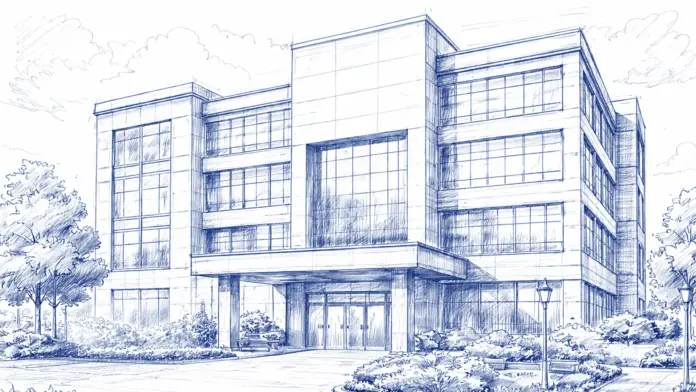
About Axiom Care
Axiom Care is a locally owned treatment provider in Apache Junction, Arizona. They offer medical detox and inpatient care for adults and particularly those with low income or involved in the legal system. You can access services for addiction, mental health conditions, homelessness and community reentry.
This program helps you reach stabilization and work on your recovery goals. You can access group and individual therapy here, as well as case management services to help see you through the recovery process.
Accessible Care, Regardless of Finances
One great thing I noticed was their dedication to affordable care. They accept all Arizona Medicaid plans, as well as American Indian Health Plan insurance. Even if you are uninsured or underinsured, you can receive care at no cost to you based on eligibility.
Ongoing Observation
Another feature that caught my eye was their observation services. They provide full medical triage to assess your needs and provide additional treatment. You can use this service to reach stabilization before moving on to another level of care.
Transformative Client Experiences
I was impressed that most previous clients enjoyed their services. Several mentioned their caring and relatable staff. Many clients described positive outcomes and transformative experiences in their recovery journeys.
Facility Overview
 61 - 90
 Latest Reviews



Rehab Score
 Our Methodology


Location
Other Forms of Payment
Medicaid is a state based program that helps lower-income individuals and families pay for healthcare. Medicaid covers addiction treatment so those enrolled can use their coverage to pay for rehab. When a program accepts Medicaid the client often pays very little or nothing out of their own pocket.
Self-pay involves paying for treatment out of your own pocket. You can use savings or credit, get a personal loan, or receive help from family and friends to fund your treatment. If you don't have insurance or your insurance plan doesn't cover a specific program, self-pay can help ensure you still get the care you need.
Addiction Treatments
Levels of Care
The initial phase of recovery treatment typically includes 24-hour clinical care in Arizona. This constant supervision ensures a safe detox process, which helps the individual physically stabilize from substance use. Patients will receive medications to curb withdrawal symptoms and cravings, as well as other necessary medical treatment. This period typically lasts up to a week, then the individual will receive medical clearance to begin inpatient or outpatient rehab.
The safest way to remove addictive substances from your body is done under the care of licensed medical professionals. Known as medically assisted detox, this level of care is typically in an inpatient setting with a team of medical experts that may include doctors, nurses, and mental health clinicians. Medications like Suboxone, methadone, or Vivitrol may be administered to help alleviate withdrawal symptoms.
Inpatient rehab is designed primarily for persons in early recovery and those who are exiting detox programs. It's ideal for clients in crisis or at an elevated risk of relapse. Inpatient treatment centers provide housing and meals, allowing clients to focus on their recovery away from distractions and addiction triggers. Clients engage in intensive psychotherapy, and many inpatient programs feature recovery-focused life skills training and/or complementary therapies like meditation, creative arts therapy, and other holistic treatments.
Many clients who enroll in an outpatient rehab program are exiting intensive inpatient care and no longer require such high-level clinical supervision. Outpatient programs typically follow a step-down structure, with treatment frequency and intensity decreasing as clients progress in their recovery journey. Partial hospitalization (PHP) and intensive outpatient (IOP) levels of care are the most time-intensive and are designed primarily for clients who have just left inpatient treatment or who are at an elevated risk of relapse.
Treatments
Alcohol use disorder (AUD), also referred to as alcoholism and alcohol addiction, is a chronic condition that involves craving alcohol and an inability to control drinking. A person with AUD must drink greater and greater amounts of alcohol to achieve the same effects and experiences withdrawal symptoms if they stop drinking alcohol. Several evidence-based methods are available to treat AUD through alcohol rehab in Arizona. This treatment can occur on an outpatient or inpatient basis.
Drug rehab in Arizona is the process of treating individuals who are dependent on a particular addictive drug. Because addiction is complex, this treatment typically includes a variety of interventions that address the many physical and emotional issues involved.
 Opioid Addiction
Programs
Serving in the military is both mentally and physically challenging, and can result in trauma that persists even after combat ends. Military programs are tailored to the specific and often complex needs of active duty personnel, veterans, and military families. Clients often access these programs through the U.S. Department of Veterans Affairs (VA).
Clinical Services
Also known as CBT, cognitive behavioral therapy in Arizona is one of the most common types of psychotherapy. It offers a structured method of counseling that effectively treats substance use disorder and dual diagnosis disorders.
Individual therapy for drug and alcohol addiction includes focused attention on the unique challenges that trigger addictive behavior. During individual therapy sessions, you have a safe space in which to discuss stressors and emotional struggles. Therapy fosters trust and open communication that helps develop personalized strategies to overcome addiction.
In Arizona, group therapy helps promote accountability and motivation for men and women who want to stay committed to addiction recovery. It fosters a sense of community where you can share your progress and learn new coping strategies from your peers.
The goal of motivational interviewing in Arizona is to enhance your confidence in your ability to make changes in your life. It encourages you to commit to change and plan for the process of making those changes that will allow you to reach your goals.
Family therapy involves sessions where members of the family discuss how addiction has affected them individually and collectively. Therapists can guide families in developing coping strategies that help support their loved one's recovery while also focusing on their own emotional health.
Amenities
-
 Residential Setting
Accreditations

The Joint Commission, formerly known as JCAHO, is a nonprofit organization that accredits rehab organizations and programs. Founded in 1951, the Joint Commision's mission is to improve the quality of patient care and demonstrating the quality of patient care.
Joint Commission Accreditation: Yes
Rehab.com regularly reviews this listing for accuracy but changes may occur between updates. For the most up-to-date information, please contact Axiom Care.
Contact Information


150 N Ocotillo Dr, Apache Junction, AZ 85120
Sponsored Helpline



