





























































































About Praxis of Norfolk by Landmark Recovery
Clients undergoing detox receive round the clock medical supervision. FDA approved meds may be given to help reduce withdrawal symptoms. You’ll also receive therapy to help start your recovery. Detox takes about 7-13 days. For those struggling with opioids or alcohol use, medication assisted treatment may be available to manage cravings during treatment.
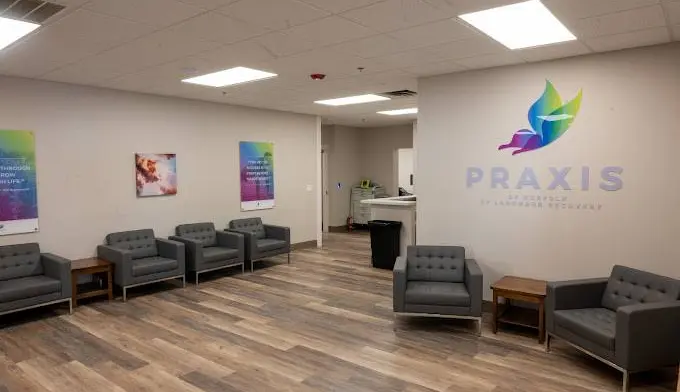
The inpatient program allows you to focus on your recovery in a home like environment with amenities. You might get a private room and can access their onsite fitness and recreational centers. In terms of treatment, you’ll participate in individual, group, and family therapy, as well as education and life skills training to boost your health. Creative arts, recreational programs, and healthy ways to cope are available.
The outpatient and aftercare services at Praxis of Carmel are designed to promote your sustained recovery. Depending on your needs, you may need partial hospitalization, intensive outpatient, standard outpatient, and aftercare programs. This step down approach allows you to recover at home and work towards independent living as you go back to your home, family and job. You might also get peer coaching, career counseling, 12 Step programs, and referrals for social services.
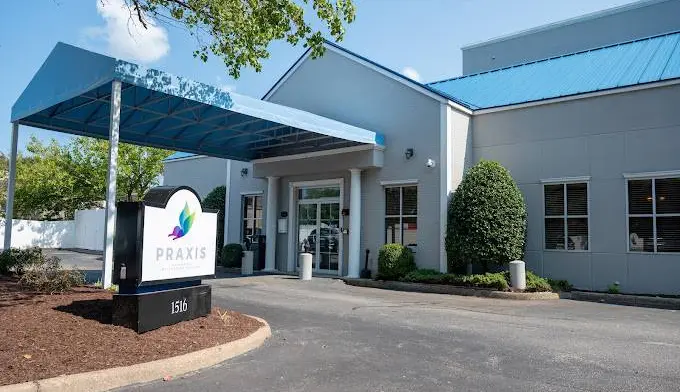
Praxis of Norfolk by Landmark Recovery is accredited by the Joint Commission and certified by LegitScript so you know they meet a standard level of care.
Latest Reviews



Rehab Score
 Our Methodology


Gallery
Other Forms of Payment
Private insurance refers to any kind of healthcare coverage that isn't from the state or federal government. This includes individual and family plans offered by an employer or purchased from the Insurance Marketplace. Every plan will have different requirements and out of pocket costs so be sure to get the full details before you start treatment.
Self-pay involves paying for treatment out of your own pocket. You can use savings or credit, get a personal loan, or receive help from family and friends to fund your treatment. If you don't have insurance or your insurance plan doesn't cover a specific program, self-pay can help ensure you still get the care you need.
Addiction Treatments
Levels of Care
If you need some flexibility and choice when it comes to your recovery, outpatient rehab programs are a great option because they do not require intensive inpatient treatment. Clients remain in their own homes and may continue to work or attend school while in active treatment. Outpatient treatment typically includes addiction counseling and continuing recovery education, including courses in self-care and relapse prevention. Medication assisted treatment (MAT) is available in many treatment centers for clients in opioid and/or alcohol recovery.
Residential treatment programs are those that offer housing and meals in addition to substance abuse treatment. Rehab facilities that offer residential treatment allow patients to focus solely on recovery, in an environment totally separate from their lives. Some rehab centers specialize in short-term residential treatment (a few days to a week or two), while others solely provide treatment on a long-term basis (several weeks to months). Some offer both, and tailor treatment to the patient's individual requirements.
Intensive Outpatient Programs (IOP) are for those who want or need a very structured treatment program but who also wish to live at home and continue with certain responsibilities (such as work or school). IOP substance abuse treatment programs vary in duration and intensity, and certain outpatient rehab centers will offer individualized treatment programs.
Clients receiving support in a rehab aftercare program have completed inpatient care and may also be preparing to exit formal outpatient care. Outpatient services are typically categorized as rehab aftercare, but these services often continue beyond the cessation of formal treatment. Rehab aftercare services are designed to promote life-long recovery through comprehensive, wraparound care, which may include medical, mental health, and social services. These programs are usually created in collaboration with the client's case manager and care team.
A partial hospitalization program (PHP) is a short-term form of intensive rehab, usually for those with acute symptoms that are hard to manage but don’t require 24-hour care. PHPs have structured programming (i.e. individual and/or group therapy), and usually meet 3-5 days a week for around 6 hours (i.e. 9am-3m). Some PHPs are residential (patients sleep on site) and some are not, so patients sleep at home. PHPs can last from 1-6 months, and some offer transportation and meals.
When you receive 24-hour clinical care in Indiana, you'll be under constant supervision from highly trained medical staff. Nurses, doctors, and addiction specialists provide medications and other treatment to address withdrawal symptoms and any additional medical needs. Common medications that are prescribed include valium and Librium to relieve alcohol withdrawal, and anti-depressants to relieve cocaine withdrawal. For opioid abuse, doctors may prescribe methadone or naltrexone to manage cravings and clonidine to treat high blood pressure.
Drug and alcohol addiction often takes a heavy toll on one's body. Over time, a physical dependence can develop, meaning the body physiologically needs the substance to function. Detox is the process of removing drugs and/or alcohol from the body, a process that can be lethal if mismanaged. Medical detox is done by licensed medical professionals who monitor vital signs and keep you safe, healthy, and as comfortable as possible as you go through detox and withdrawal. The length of stay at the detoxification program is determined according to the specific needs of the patient.
Treatments
The goal of treatment for alcoholism is abstinence. Those with poor social support, poor motivation, or psychiatric disorders tend to relapse within a few years of treatment. For these people, success is measured by longer periods of abstinence, reduced use of alcohol, better health, and improved social functioning. Recovery and Maintenance are usually based on 12 step programs and AA meetings.
For long-term recovery from drug addiction, drug rehab in Indiana is often key. This treatment gives individuals who are struggling with a substance use disorder the tools to manage their disorder and achieve long-term sobriety.
A combined mental health and substance abuse rehab has the staff and resources available to handle individuals with both mental health and substance abuse issues. It can be challenging to determine where a specific symptom stems from (a mental health issue or an issue related to substance abuse), so mental health and substance abuse professionals are helpful in detangling symptoms and keeping treatment on track.
Programs
Adult rehab programs include therapies tailored to each client's specific needs, goals, and recovery progress. They are tailored to the specific challenges adult clients may face, including family and work pressures and commitments. From inpatient and residential treatment to various levels of outpatient services, there are many options available. Some facilities also help adults work through co-occurring conditions, like anxiety, that can accompany addiction.
Clinical Services
Group therapy is any therapeutic work that happens in a group (not one-on-one). There are a number of different group therapy modalities, including support groups, experiential therapy, psycho-education, and more. Group therapy involves treatment as well as processing interaction between group members.
In individual therapy, a patient meets one-on-one with a trained psychologist or counselor. Therapy is a pivotal part of effective substance abuse treatment, as it often covers root causes of addiction, including challenges faced by the patient in their social, family, and work/school life.
During trauma therapy in Indiana, your therapist helps you process traumatic experiences and learn how they affect your emotional, mental, and physical responses. You learn effective coping strategies that help to reduce the symptoms and improve your mental health and well being.
The goal of family therapy in Indiana is to empower family members to effectively support their loved one's recovery. Therapists work with family members to develop the skills needed to manage stress and resolve conflicts successfully. This fosters a positive environment that is conducive to long term sobriety.
Recreational therapy integrates structured activities into a holistic treatment program to help promote your physical and mental health and well being. You might engage in sports, creative arts, or outdoor adventures as a positive outlet for your stress and emotions. This helps you develop new interests and build a supportive network that helps you maintain long term sobriety.
Creative arts therapy opens an alternative pathway to emotional health. For those who find it difficult to talk about their feelings, it provides a new way to express feelings and thoughts. Options include poetry, music, journaling, dance, and painting.
Amenities
-
 Residential Setting
Staff & Accreditations
Staff
Matt Boyle
CEO
AJ Henry
COO
Matthew DiGiacobbe
CFO
Dr. Jason Kirby
Chief Medical Officer
Justin Hartman
Chief Revenue Officer
Chris Kang
Chief Legal Officer
Accreditations

The Joint Commission, formerly known as JCAHO, is a nonprofit organization that accredits rehab organizations and programs. Founded in 1951, the Joint Commision's mission is to improve the quality of patient care and demonstrating the quality of patient care.
Joint Commission Accreditation: Yes

LegitScript has reviewed Praxis of Norfolk by Landmark Recovery as part of their certification program, and has determined that it meets the LegitScript standards for legality, safety and transparency.
LegitScript verified in November 2019
Rehab.com regularly reviews this listing for accuracy but changes may occur between updates. For the most up-to-date information, please contact Praxis of Norfolk by Landmark Recovery.
Contact Information


13594 North Meridian Street
Carmel IN, 46032
Sponsored Helpline



