






























































































I wasn't convinced of coming here because I was sure that I didn't have a problem, but just now I realized how much I needed it. It has helped me to stay clean and sober.
About Life Treatment Centers, Inc.
The inpatient program allows you to focus on your recovery in a supportive environment. First, there’s a medical and mental health assessment from a case management team. Then, you’ll have 24/7 supervision as you attend individual, group, and family counseling and learn new life skills and train to find steady work. Topics of focus include coping, self-care, and relapse prevention.
Their outpatient and aftercare services consist of a relapse prevention course that runs twice per week for 12 weeks. An aftercare program lasts 16 weeks, in which you can build an alumni network for continued support.
Life Treatment Centers has started a walk in Wednesday program. On Wednesdays, between 9am and 3pm, anyone can walk into the center for outpatient substance abuse assistance. Slots are limited and are given on a first come first served basis.
Latest Reviews
Affordable outpatient substance use disorder treatment and sober living for those seeking support.
They have helped my life with addiction and as caused the rest of my life to reform and become better then it has been in a long time. It's not just them that has to put the work in. You have to do it for yourself as well. They have never lied nor been on bullshit with me. And they always have a helping hand if you need one.
Life is what u make it so is Treatment by sicking to the plan

Rehab Score
 Our Methodology
Scoring is assigned by a proprietary system which helps surface key metrics that determine quality. The 10-point scale factors in categories such as operations, customer satisfaction, and trust metrics. Read Full Methodology

6.7 / 10
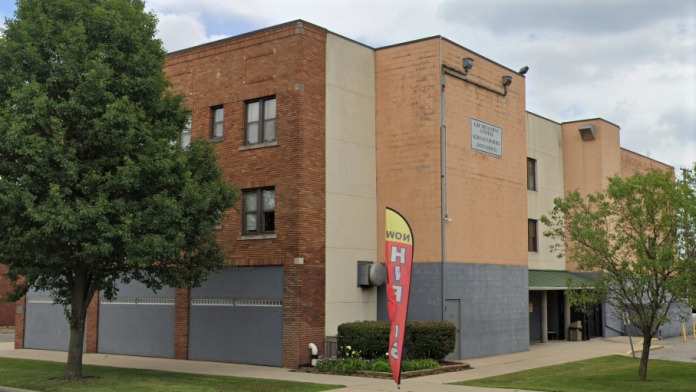
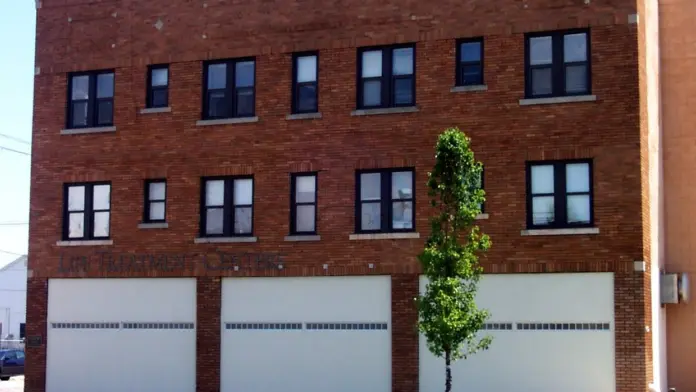
Gallery
Other Forms of Payment
Private insurance refers to any kind of healthcare coverage that isn't from the state or federal government. This includes individual and family plans offered by an employer or purchased from the Insurance Marketplace. Every plan will have different requirements and out of pocket costs so be sure to get the full details before you start treatment.
Self-pay involves paying for treatment out of your own pocket. You can use savings or credit, get a personal loan, or receive help from family and friends to fund your treatment. If you don't have insurance or your insurance plan doesn't cover a specific program, self-pay can help ensure you still get the care you need.
Financial aid can take many forms. Centers may have grants or scholarships available to clients who meet eligibility requirements. Programs that receive SAMHSA grants may have financial aid available for those who need treatment as well. Grants and scholarships can help you pai for treatment without having to repay.
Sliding scale payments are based on a client's income and family size. The goal is to make treatment affordable to everyone. By taking these factors into account, addiction recovery care providers help ensure that your treatment does not become a financial burden to you or your family, eliminating one barrier to care.
Medicare is a federal program that provides health insurance for those 65 and older. It also serves people under 65 with chronic and disabling health challenges. To use Medicare for addiction treatment you need to find a program that accepts Medicare and is in network with your plan. Out of pocket costs and preauthorization requirements vary, so always check with your provider.
Military members, veterans, and eligible dependents have access to specific insurance programs that help them get the care they need. TRICARE and VA insurance can help you access low cost or no cost addiction and mental health treatment. Programs that accept military insurance often have targeted treatment focused on the unique challenges military members, veterans, and their families face.
Medicaid is a state based program that helps lower-income individuals and families pay for healthcare. Medicaid covers addiction treatment so those enrolled can use their coverage to pay for rehab. When a program accepts Medicaid the client often pays very little or nothing out of their own pocket.
Addiction Treatments
Levels of Care
Through motivational and educational lectures, this program provides education on alcohol and drugs and the effects they have on an individual. Individual strengths and limitations will be identified in order to better individualize the type of treatment a client receives. Clients will learn skills to enhance personal functioning in treatment as well as their daily lives. They will also gain a support network in order to achieve long term abstinence. Treatment is a combination of psycho-education and group therapy. Community housing at our South Bend facility is available for clients throughout the recovery process.
Inpatient rehab provides intensive, round-the-clock care and is designed primarily for clients who have just completed detox, those in early recovery, and those at an increased risk of relapse. Inpatient treatment typically includes extensive psychotherapy that draws on various modalities like cognitive behavioral therapy (CBT) and motivational interviewing. Clients also learn the recovery-focused life skills needed to promote sustained recovery. Many inpatient drug rehabs also offer evidence-based holistic therapies like meditation, yoga, massage, and experiential therapy.
Clients receiving support in a rehab aftercare program have completed inpatient care and may also be preparing to exit formal outpatient care. Outpatient services are typically categorized as rehab aftercare, but these services often continue beyond the cessation of formal treatment. Rehab aftercare services are designed to promote life-long recovery through comprehensive, wraparound care, which may include medical, mental health, and social services. These programs are usually created in collaboration with the client's case manager and care team.
12 step programs foster participants' long-term sobriety through personal growth rooted in spiritual principles, though religious affiliation is not mandatory. Most 12 step meetings are non-denominational but are based on the belief in a higher power. Participants learn to understand and address the causes of their addiction, accept responsibility for their choices, and relinquish control for that which cannot be changed. Regular group meetings and mentoring by a self-selected sponsor are required.
A partial hospitalization program (PHP) can provide intensive rehab on a short-term basis. While PHP treatment typically requires a commute, telehealth may be available. PHP treatment costs can vary but are often covered by most insurance. The program duration can vary to meet your specific needs and require you to meet for a minimum of 20 hours a week for an average of 90 days. PHP Treatment services often include relapse prevention strategies, medication management, individual and group counseling, and other behavioral therapy interventions.
When you receive 24-hour clinical care in Indiana, you'll be under constant supervision from highly trained medical staff. Nurses, doctors, and addiction specialists provide medications and other treatment to address withdrawal symptoms and any additional medical needs. Common medications that are prescribed include valium and Librium to relieve alcohol withdrawal, and anti-depressants to relieve cocaine withdrawal. For opioid abuse, doctors may prescribe methadone or naltrexone to manage cravings and clonidine to treat high blood pressure.
Drug and alcohol addiction often takes a heavy toll on one's body. Over time, a physical dependence can develop, meaning the body physiologically needs the substance to function. Detox is the process of removing drugs and/or alcohol from the body, a process that can be lethal if mismanaged. Medical detox is done by licensed medical professionals who monitor vital signs and keep you safe, healthy, and as comfortable as possible as you go through detox and withdrawal.
Treatments
The goal of treatment for alcoholism is abstinence. Those with poor social support, poor motivation, or psychiatric disorders tend to relapse within a few years of treatment. For these people, success is measured by longer periods of abstinence, reduced use of alcohol, better health, and improved social functioning. Recovery and Maintenance are usually based on 12 step programs and AA meetings.
For long-term recovery from drug addiction, drug rehab in Indiana is often key. This treatment gives individuals who are struggling with a substance use disorder the tools to manage their disorder and achieve long-term sobriety.
A combined mental health and substance abuse rehab has the staff and resources available to handle individuals with both mental health and substance abuse issues. It can be challenging to determine where a specific symptom stems from (a mental health issue or an issue related to substance abuse), so mental health and substance abuse professionals are helpful in detangling symptoms and keeping treatment on track.
Opioid rehabs specialize in supporting those recovering from opioid addiction. They treat those suffering from addiction to illegal opioids like heroin, as well as prescription drugs like oxycodone. These centers typically combine both physical as well as mental and emotional support to help stop addiction. Physical support often includes medical detox and subsequent medical support (including medication), and mental support includes in-depth therapy to address the underlying causes of addiction.
Programs
Adult rehab programs include therapies tailored to each client's specific needs, goals, and recovery progress. They are tailored to the specific challenges adult clients may face, including family and work pressures and commitments. From inpatient and residential treatment to various levels of outpatient services, there are many options available. Some facilities also help adults work through co-occurring conditions, like anxiety, that can accompany addiction.
Young adulthood can be an exciting, yet difficult, time of transition. Individuals in their late teens to mid-20s face unique stressors related to school, jobs, families, and social circles, which can lead to a rise in substance use. Rehab centers with dedicated young adult programs will include activities and amenities that cater to this age group, with an emphasis on specialized counseling, peer socialization, and ongoing aftercare.
Recovery is most successful when clients feel accepted and validated by their peers and treatment providers. Facilities that offer LGBTQ-inclusive programming are committed to creating a safe space where everyone can grow and recover without fear of judgment or discrimination. They will have dedicated policies in place to create a safe and supportive environment that fosters free expression.
LTC provides homeless veterans with three meals a day, shelter, toiletries, and clothing (if available). Homeless veterans are given the opportunity to receive specialized treatment sessions to address their individual needs, in addition to a veteran support group. LTC works closely with the Veterans Association to determine if they qualify for veteran benefits, which could include housing and/or medical assistance. In addition, LTC structures outside activities (such as bowling, movies, veteran events) to assist them in feeling more comfortable within the community.
Clinical Services
When you participate in cognitive behavioral therapy in Indiana, you'll learn to recognize distorted thinking that has led to substance use. Your therapist will help you establish new patterns of thinking and healthy ways to cope with challenges that don't involve substance use.
Individual dialectical behavior therapy (DBT) takes place in weekly, 60 minute sessions. You'll have homework to do, such as keeping a diary to track your emotions and actions. You'll also attend group sessions, which are intended to be skills practicing sessions. DBT in Indiana typically lasts six months to a year.
Group therapy is any therapeutic work that happens in a group (not one-on-one). There are a number of different group therapy modalities, including support groups, experiential therapy, psycho-education, and more. Group therapy involves treatment as well as processing interaction between group members.
Qualified therapists in Indiana use a customized treatment approach for individual therapy to address your drug and alcohol addiction treatment. This considers your past history and life circumstances to help you uncover the underlying issues that trigger addictive behavior and manage these factors to support a healthy approach to recovery.
During trauma therapy in Indiana, your therapist helps you process traumatic experiences and learn how they affect your emotional, mental, and physical responses. You learn effective coping strategies that help to reduce the symptoms and improve your mental health and well being.
The goal of family therapy in Indiana is to empower family members to effectively support their loved one's recovery. Therapists work with family members to develop the skills needed to manage stress and resolve conflicts successfully. This fosters a positive environment that is conducive to long term sobriety.
Life skills trainings involve all the skills a person must have in order to function successfully in the world. These include time management, career guidance, money management, and effective communication. Truly successful addiction recovery is based on the ability to not only live substance-free, but to thrive. Life skills teaches the practical necessities of functioning in society, which sets clients up for success in life, and therefore sobriety.
Feelings of withdrawal and intense cigarette cravings make quitting smoking difficult. Nicotine replacement therapy can double your chances of long term success. This therapy provides a small amount of nicotine, so you can slowly wean yourself off this addictive substance.
Amenities
-
 Residential Setting
Accreditations

The Commission on Accreditation of Rehabilitation Facilities (CARF) is a non-profit organization that specifically accredits rehab organizations. Founded in 1966, CARF's, mission is to help service providers like rehab facilities maintain high standards of care.
CARF Accreditation: Yes
Accreditation Number: 28584
Rehab.com regularly reviews this listing for accuracy but changes may occur between updates. For the most up-to-date information, please contact Life Treatment Centers, Inc..
Contact Information

1402 South Michigan Street
South Bend, IN 46613
Get Help Now - 574-301-4763
Sponsored Helpline
Sponsored Helpline



