





























































































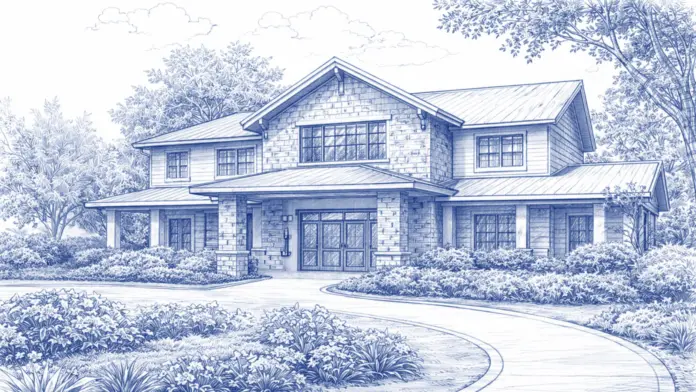
About Northern Path Recovery Center
Northern Path Recovery Center can be found on East Coliseum Boulevard in Fort Wayne, Indiana. They provide services to address drug and alcohol treatment through their detox program and residential treatment program. They are located in a luxurious historic home with onsite parking for family and loved ones.
Nearby are mostly residential communities including Frances Slocum and Greendale, both of which can be accessed via Highway 930 and Route 27. You can also visit the Maumee River for tranquil relaxation and reflection.
Detox Treatment for Alcohol and Opioid Addiction
I like that for detox services for alcohol or opioids, they assess your need for medication assisted treatment to address severe withdrawal symptoms including cravings and discomfort. They included an integrated care team of medical professionals to closely monitor your condition with 24/7 care and supervision.
They also offer therapy treatment to address co-occurring mental health issues including anxiety, guilt, and other mental health conditions.
Residential Care with Continuing Care and Alumni Program
Following your detox, they suggest admitting you to their residential treatment program. I find it good to know that they will continue to offer supervised care as you work towards sustainable sobriety and to help you in preventing relapse. They also recognize that addiction can include neurobiological changes and be caused by genetic factors and/or psychological and social influences that may have occurred in your life.
Facility Overview
 15 - 30
 Latest Reviews



Rehab Score
 Our Methodology


Location
Accepted Insurance
Other Forms of Payment
Private insurance refers to any kind of healthcare coverage that isn't from the state or federal government. This includes individual and family plans offered by an employer or purchased from the Insurance Marketplace. Every plan will have different requirements and out of pocket costs so be sure to get the full details before you start treatment.
Self-pay involves paying for treatment out of your own pocket. You can use savings or credit, get a personal loan, or receive help from family and friends to fund your treatment. If you don't have insurance or your insurance plan doesn't cover a specific program, self-pay can help ensure you still get the care you need.
Medicaid is a state based program that helps lower-income individuals and families pay for healthcare. Medicaid covers addiction treatment so those enrolled can use their coverage to pay for rehab. When a program accepts Medicaid the client often pays very little or nothing out of their own pocket.
Medicare is a federal program that provides health insurance for those 65 and older. It also serves people under 65 with chronic and disabling health challenges. To use Medicare for addiction treatment you need to find a program that accepts Medicare and is in network with your plan. Out of pocket costs and preauthorization requirements vary, so always check with your provider.
Addiction Treatments
Levels of Care
When removing addictive substances from your body under the care of licensed medical professionals, the process is called medically assisted detox. Once you've become physically dependent on substances like alcohol, opioids, or benzodiazepines, quitting can be uncomfortable or even dangerous. To minimize risks to your health and overall discomfort, a team of medical professionals monitors you 24/7 and provides medications if necessary (like Suboxone or methadone) to ease potential symptoms of withdrawal.
Inpatient rehab provides intensive, round-the-clock care and is designed primarily for clients who have just completed detox, those in early recovery, and those at an increased risk of relapse. Inpatient treatment typically includes extensive psychotherapy that draws on various modalities like cognitive behavioral therapy (CBT) and motivational interviewing. Clients also learn the recovery-focused life skills needed to promote sustained recovery. Many inpatient drug rehabs also offer evidence-based holistic therapies like meditation, yoga, massage, and experiential therapy.
Clients receiving support in a rehab aftercare program have completed inpatient care and may also be preparing to exit formal outpatient care. Outpatient services are typically categorized as rehab aftercare, but these services often continue beyond the cessation of formal treatment. Rehab aftercare services are designed to promote life-long recovery through comprehensive, wraparound care, which may include medical, mental health, and social services. These programs are usually created in collaboration with the client's case manager and care team.
Treatments
If a person has alcohol use disorder (AUD), also referred to as alcoholism, they experience a desire or physical need to consume alcohol. A person with AUD may try to stop drinking but they are unsuccessful without professional help. Alcohol rehab in Indiana can provide the resources necessary to achieve and maintain recovery. Rehab programs typically involve a combination of medical, behavioral, and social supports to overcome alcohol addiction.
For long-term recovery from drug addiction, drug rehab in Indiana is often key. This treatment gives individuals who are struggling with a substance use disorder the tools to manage their disorder and achieve long-term sobriety.
 Opioid Addiction
Indiana provides substance abuse treatment programs for individuals with substance use disorders. With a range of care levels, including outpatient, inpatient, and partial hospitalization programs, you'll be able to find the right treatment for you. Programs usually include a substance abuse evaluation, evidence-based therapies such as cognitive-behavioral therapy (CBT), dialectical behavior therapy (DBT), and group therapy address substance abuse and enhance coping strategies. By offering personalized treatment plans and a supportive environment, these programs strengthen your ability to maintain your recovery.
In Indiana, dual-diagnosis addiction treatment programs address the unique needs of individuals with co-occurring substance use disorders and mental health conditions. Care levels include outpatient, inpatient, and partial hospitalization programs. Therapies like cognitive behavioral therapy, or dialectical behavioral therapy, trauma-informed therapy, and process groups address the co-occurring mental health disorders while achieving sobriety and promoting overall well-being. You'll also learn coping skills, relapse prevention strategies, and tools to enhance your relationships - all critical skills for long-term recovery.
Programs
Adult rehab programs include therapies tailored to each client's specific needs, goals, and recovery progress. They are tailored to the specific challenges adult clients may face, including family and work pressures and commitments. From inpatient and residential treatment to various levels of outpatient services, there are many options available. Some facilities also help adults work through co-occurring conditions, like anxiety, that can accompany addiction.
Clinical Services
When you participate in cognitive behavioral therapy in Indiana, you'll learn to recognize distorted thinking that has led to substance use. Your therapist will help you establish new patterns of thinking and healthy ways to cope with challenges that don't involve substance use.
Individual dialectical behavior therapy (DBT) takes place in weekly, 60 minute sessions. You'll have homework to do, such as keeping a diary to track your emotions and actions. You'll also attend group sessions, which are intended to be skills practicing sessions. DBT in Indiana typically lasts six months to a year.
Motivational interviewing aims to stimulate the client's personal motivation and commitment to change. Rather than receive advice and warnings from the therapist, the client is given the opportunity to share their concerns and reach their own conclusions.
Amenities
-
 Private Rooms
 -
 Gym
Gym
Rehab.com regularly reviews this listing for accuracy but changes may occur between updates. For the most up-to-date information, please contact Northern Path Recovery Center.
Contact Information


3110 E Coliseum Blvd, Fort Wayne, IN 46805
Sponsored Helpline


