





























































































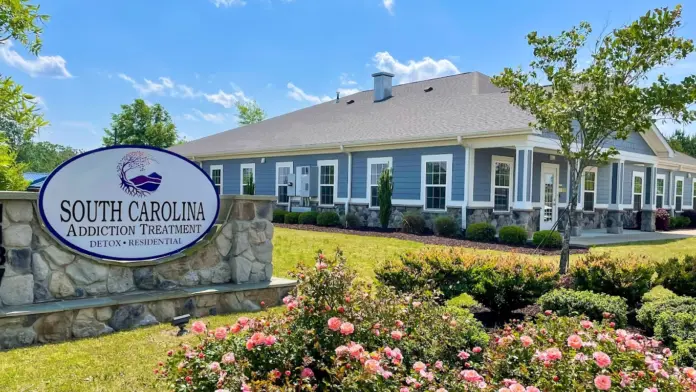
About South Carolina Addiction Treatment Detox & Residential
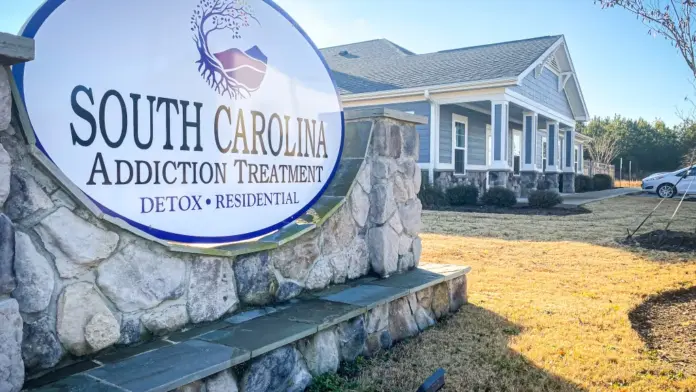
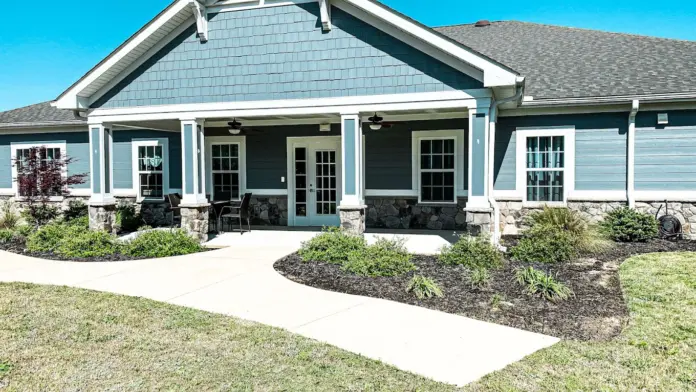
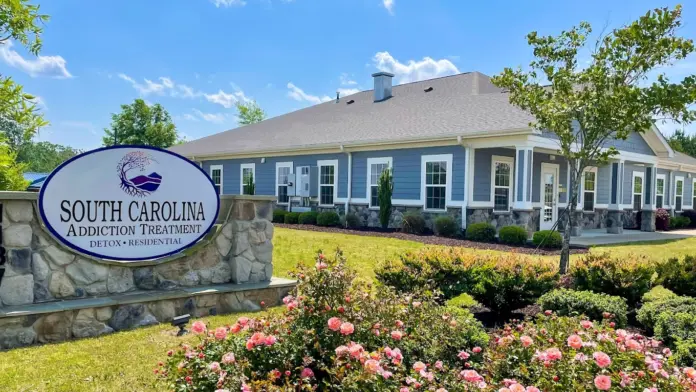
South Carolina Addiction Treatment (SCAT) is a private residential rehab center located on Holland Road, north of Simpsonville, South Carolina. At this CARF accredited facility, you can receive quality, individualized care from a team of addiction specialists.
Helping You Start Your Journey
They offer two phases of inpatient treatment, the first being a medical detox program. While the detoxification process can feel uncomfortable, their team provides support in the form of counseling and medical supervision.
The goal is to keep you as comfortable as possible. SCAT also monitors your symptoms and your progress to ensure your safety during this initial stage.
Peaceful and Highly Personalized
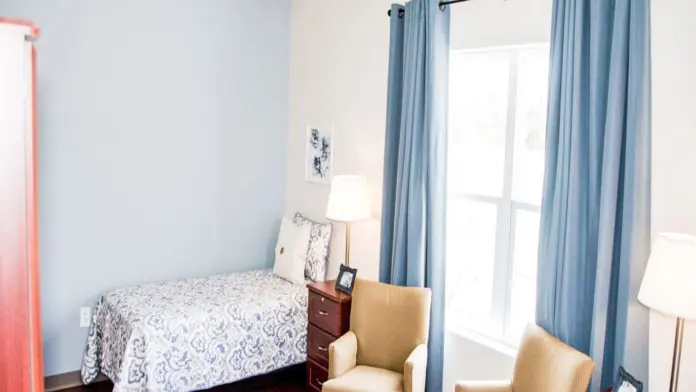
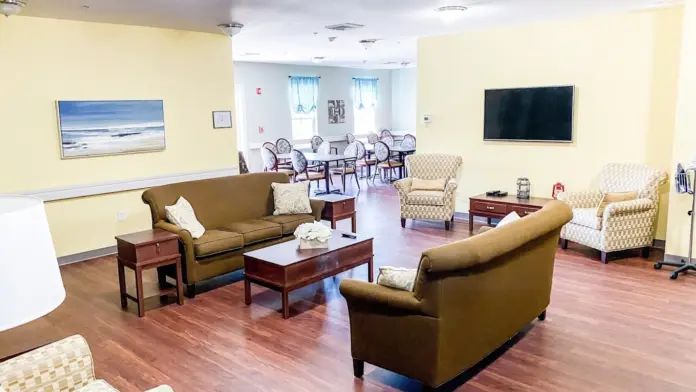
Their rehabilitation program is simultaneously relaxed and intensive. It’s relaxed in the sense that there are semi private rooms and comfortable shared spaces. Chef cooked meals are repeatedly described as “amazing” by past clients.
The program’s intensive nature stems from the fact that they provide eight hours of daily activities in a highly structured routine. These include individual therapy, group therapy and activities that help the house’s community bond and learn to lean on each other for strength.
Facility Overview
 16-30
16-30 Latest Reviews



Rehab Score
 Our Methodology


Gallery
Accepted Insurance
Other Forms of Payment
Financing your treatment can make treatment more accessible. You'll work with your care provider to set up payment plans, including interest rates and repayment timelines. Financing options vary widely and not all programs offer them, so be sure to get the full details before enrolling in treatment. If you have insurance or other benefits, financing may help you cover your remaining out of pocket expenses.
Per session payment lets you pay for each treatment at the time of service. You may also pay for a certain number of sessions up front and then pay for more if needed. This format allows you to tailor the financial investment to your specific needs and avoid having a large lump sum payment due at the end of the treatment program.
Private insurance refers to any kind of healthcare coverage that isn't from the state or federal government. This includes individual and family plans offered by an employer or purchased from the Insurance Marketplace. Every plan will have different requirements and out of pocket costs so be sure to get the full details before you start treatment.
Self-pay involves paying for treatment out of your own pocket. You can use savings or credit, get a personal loan, or receive help from family and friends to fund your treatment. If you don't have insurance or your insurance plan doesn't cover a specific program, self-pay can help ensure you still get the care you need.
Addiction Treatments
Levels of Care
Persons engaged in a 12 step program regularly attend group meetings in their communities, though online sessions are becoming increasingly popular. 12 step recovery is rooted in spiritual principles that enable participants to address the root causes of addiction and to foster self-awareness, compassion, acceptance, and accountability. Peer sponsors support participants as they work through the steps of recovery. Most programs are non-denominational, but specialized formats, including the faith-based Celebrate Recovery! format, are available.
24-hour clinical care in South Carolina is designed to protect those in recovery from health risks of withdrawal. For example, opioid withdrawal can cause vomiting and diarrhea that results in a life-threatening level of dehydration. Withdrawal from benzodiazepines can cause seizures which can be fatal. To avoid these risks, supervised medical detox is recommended. Under this care, medical professionals constantly monitor patients to ensure a safe detox process.
Clients who have just completed detox, those who are in crisis, and those with a history of relapse often require treatment in an inpatient rehab. These facilities provide high-level supervision, structure, and support, allowing clients to focus on their recovery away from their addiction triggers. Most inpatient treatment programs center upon various forms of psychotherapy, including CBT, DBT, RBT, and motivational interviewing. Clients may also receive recovery-focused life skills training and evidence-based holistic therapies, such as massage.
Withdrawing from addictive substances, like alcohol, benzodiazepines (like Xanax), or opioids, occurs during the detox process. Since this process can have uncomfortable and even dangerous side effects, the mission of a medically assisted detox is to provide an expert medical team to help monitor your health around the clock. They will work to keep you as safe and comfortable as possible, administering necessary medications to alleviate any withdrawal symptoms.
Treatments
Alcoholism is characterized by a lack of control over drinking habits, use of alcohol despite negative consequences, and preoccupation with alcohol. Often, alcohol use disorder occurs simultaneously with other mental health disorders. If you have a co-occurring disorder, it is important to get treatment for both. Alcohol rehab in South Carolina can provide this dual diagnosis treatment through inpatient or outpatient care.
Choosing a drug rehab in South Carolina helps you overcome drug dependency, learn how to manage cravings, and obtain the tools needed to prevent relapse. This is accomplished through individualized treatment that addresses a full spectrum of physical, social, and emotional needs.
South Carolina's specialized dual-diagnosis addiction treatment programs treat individuals with co-occurring substance use disorders and mental health conditions. These comprehensive treatment programs generally encompass a mental health assessment, individualized treatment plan, mindfulness-based therapies, and support groups designed to improve mental health, help you achieve sobriety, and equip you with the tools to sustain recovery.
If you require specialized addiction treatment programming in order to address an addiction and a co-occurring mental health condition, dual diagnosis treatment is essential. Residential dual diagnosis centers offer a wealth of mental health services, including 24/7 access to medical and mental health professionals, individual and group counseling, relapse prevention education, cognitive-behavioral therapy (CBT), motivational interviewing and family support groups.
 Mental Health And Substance Abuse
 Opioid Addiction
Specialized dual-diagnosis treatment programs in South Carolina can help individuals looking for substance abuse treatment. Dual-diagnosis simply means treating individuals struggling with addiction and any other mental health problems, like anxiety. These conditions often co-occur and treating them at the same time can dramatically improve your odds of success. You can typically expect these addiction treatment programs to utilize evidence-based therapies such as cognitive-behavioral therapy (CBT), with skill-based education to enhance your coping skills and improve your overall well-being.
Programs
Adult rehab programs include therapies tailored to each client's specific needs, goals, and recovery progress. They are tailored to the specific challenges adult clients may face, including family and work pressures and commitments. From inpatient and residential treatment to various levels of outpatient services, there are many options available. Some facilities also help adults work through co-occurring conditions, like anxiety, that can accompany addiction.
Clinical Services
The main basis of cognitive behavioral therapy in South Carolina is that all your thoughts, feelings, and behaviors are interconnected. Therefore, the therapist will help you change your thoughts, which will lead to different emotions and actions.
Men and women in South Carolina undergoing individual therapy work closely with their therapist to address the personal challenges and lifestyle changes that can help address addiction triggers. You have a unique situation and your therapist will spend time helping you develop healthy coping strategies so you can work toward achieving and maintaining sobriety.
The goal of all family therapy sessions is to support their loved one's recovery effectively by learning new and healthy communication skills as well as ways of managing stress and resolving conflicts. This helps improve interactions and addresses underlying issues within the family that often influence recovery.
During active addiction, many individuals skip meals, consume a lot of sugars and processed foods, and don't get enough protein, fruits, or vegetables. An important part of recovery is nutrition therapy, which teaches you how to develop and maintain a healthier lifestyle.
Amenities
-
 Private Rooms
 -
 Residential Setting
Accreditations

The Commission on Accreditation of Rehabilitation Facilities (CARF) is a non-profit organization that specifically accredits rehab organizations. Founded in 1966, CARF's, mission is to help service providers like rehab facilities maintain high standards of care.
CARF Accreditation: Yes

LegitScript has reviewed South Carolina Addiction Treatment Detox & Residential as part of their certification program, and has determined that it meets the LegitScript standards for legality, safety and transparency.
LegitScript verified in
Rehab.com regularly reviews this listing for accuracy but changes may occur between updates. For the most up-to-date information, please contact South Carolina Addiction Treatment Detox & Residential.
Contact Information


1187 Holland Rd,
Simpsonville, SC 29681
Sponsored Helpline


