





























































































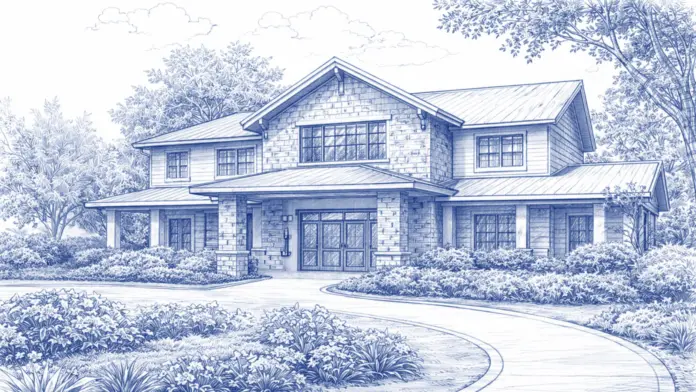
About YS Recovery
YS Recovery is a drug and alcohol rehab in Marana, Arizona, offering evidence-based, personalized addiction treatment for adults seeking lasting recovery.
The program provides a full continuum of care, including detoxification, residential treatment, outpatient services and dual diagnosis support.
With a focus on compassionate, individualized care delivered by licensed therapists and medical professionals, YS Recovery aims to help clients build a foundation for long-term sobriety.
YS Recovery’s Addiction and Detox Programs
Treatment typically begins with medically supervised detox, where clients are stabilized in a safe, structured environment.
From there, individuals can transition into inpatient/residential care with 24/7 support or step down to outpatient services that allow more flexibility while continuing therapy and recovery work.
Clients can expect a blend of individual therapy, group therapy, and family therapy, supported by evidenced based approaches such as Cognitive Behavioral Therapy (CBT) and Motivational Interviewing.
Medication-Assisted Treatment (MAT) is available for opioid and alcohol use disorders, alongside life skills training, relapse prevention and aftercare planning.
Quick Facts About YS Recovery
- Location: Marana, Arizona, on W Tangerine Rd in the greater Tucson area
- Levels of care: Detox, residential/inpatient and outpatient treatment
- Who they treat: Adults with alcohol, drug or opioid use disorders, including co-occurring mental health conditions
- Approach: Evidence based and individualized, incorporating CBT, Motivational Interviewing and MAT
- Payment options: Private insurance and self-pay accepted
- Environment: Clean, well-maintained facilities with comfortable common areas and private spaces
- Continuing care: Aftercare and alumni programs to support ongoing recovery
The admissions team can walk interested individuals through available programs, verify insurance benefits and discuss self-pay options.

Rehab Score
 Our Methodology


Location
Other Forms of Payment
Private insurance refers to any kind of healthcare coverage that isn't from the state or federal government. This includes individual and family plans offered by an employer or purchased from the Insurance Marketplace. Every plan will have different requirements and out of pocket costs so be sure to get the full details before you start treatment.
Self-pay involves paying for treatment out of your own pocket. You can use savings or credit, get a personal loan, or receive help from family and friends to fund your treatment. If you don't have insurance or your insurance plan doesn't cover a specific program, self-pay can help ensure you still get the care you need.
Addiction Treatments
Levels of Care
The safest way to remove addictive substances from your body is done under the care of licensed medical professionals. Known as medically assisted detox, this level of care is typically in an inpatient setting with a team of medical experts that may include doctors, nurses, and mental health clinicians. Medications like Suboxone, methadone, or Vivitrol may be administered to help alleviate withdrawal symptoms.
Inpatient rehab is designed primarily for persons in early recovery and those who are exiting detox programs. It's ideal for clients in crisis or at an elevated risk of relapse. Inpatient treatment centers provide housing and meals, allowing clients to focus on their recovery away from distractions and addiction triggers. Clients engage in intensive psychotherapy, and many inpatient programs feature recovery-focused life skills training and/or complementary therapies like meditation, creative arts therapy, and other holistic treatments.
Many clients who enroll in an outpatient rehab program are exiting intensive inpatient care and no longer require such high-level clinical supervision. Outpatient programs typically follow a step-down structure, with treatment frequency and intensity decreasing as clients progress in their recovery journey. Partial hospitalization (PHP) and intensive outpatient (IOP) levels of care are the most time-intensive and are designed primarily for clients who have just left inpatient treatment or who are at an elevated risk of relapse.
Treatments
Alcohol use disorder (AUD), also referred to as alcoholism and alcohol addiction, is a chronic condition that involves craving alcohol and an inability to control drinking. A person with AUD must drink greater and greater amounts of alcohol to achieve the same effects and experiences withdrawal symptoms if they stop drinking alcohol. Several evidence-based methods are available to treat AUD through alcohol rehab in Arizona. This treatment can occur on an outpatient or inpatient basis.
Drug rehab in Arizona is the process of treating individuals who are dependent on a particular addictive drug. Because addiction is complex, this treatment typically includes a variety of interventions that address the many physical and emotional issues involved.
 Opioid Addiction
Clinical Services
Individual therapy for drug and alcohol addiction includes focused attention on the unique challenges that trigger addictive behavior. During individual therapy sessions, you have a safe space in which to discuss stressors and emotional struggles. Therapy fosters trust and open communication that helps develop personalized strategies to overcome addiction.
In Arizona, group therapy helps promote accountability and motivation for men and women who want to stay committed to addiction recovery. It fosters a sense of community where you can share your progress and learn new coping strategies from your peers.
Family therapy involves sessions where members of the family discuss how addiction has affected them individually and collectively. Therapists can guide families in developing coping strategies that help support their loved one's recovery while also focusing on their own emotional health.
Also known as CBT, cognitive behavioral therapy in Arizona is one of the most common types of psychotherapy. It offers a structured method of counseling that effectively treats substance use disorder and dual diagnosis disorders.
The goal of motivational interviewing in Arizona is to enhance your confidence in your ability to make changes in your life. It encourages you to commit to change and plan for the process of making those changes that will allow you to reach your goals.
Developing life skills is an important piece of addiction recovery treatment. These skills help you succeed in day to day tasks and live a healthy, independent life. They include communication, critical thinking, problem solving, self control, and resilience.
Rehab.com regularly reviews this listing for accuracy but changes may occur between updates. For the most up-to-date information, please contact YS Recovery.
Contact Information


12150 W Tangerine Rd, Marana, AZ 85658
Sponsored Helpline
