































































































I learned a lot in my 90 days there but the most important part was gaining friendship with the staff who made you feel welcome and more like family specifically Monica she was such nice women and good friend who always went above and beyond to make sure our needs were met ...
About DeCoach Recovery Centre
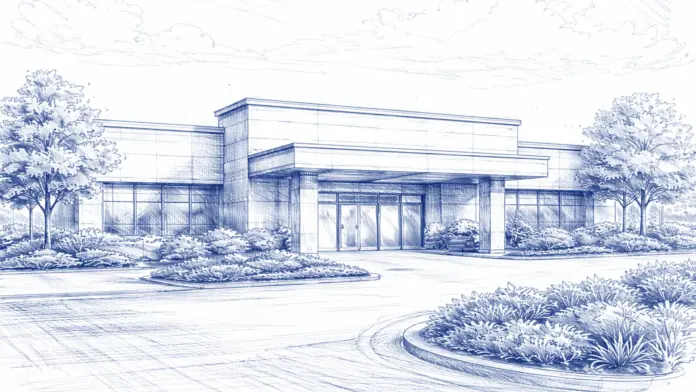
DeCoach Recovery Centre is a drug and alcohol rehab at 3103 Dixie Hwy, Hamilton, Ohio, providing a full continuum of care for adults struggling with substance use and co-occurring mental health conditions.
The facility offers withdrawal management, partial hospitalization, intensive outpatient, outpatient treatment, aftercare and men’s recovery housing through Hamilton’s Hope. The program emphasizes individualized, evidence based care delivered by a multidisciplinary team.
Addiction Treatment Programs at DeCoach Recovery Centre
Treatment often begins with a biopsychosocial assessment and, when needed, medically monitored withdrawal management to support clients through early recovery. You can then step into partial hospitalization (PHP), intensive outpatient, or standard outpatient care.
The choice of care depends on your clinical needs and is provided with strong peer and community support. Clients can expect individual, group and family counseling, psychiatric services and medication management.
This can include medication assisted treatment with Suboxone, Vivitrol, Methadone and oral naltrexone. Relapse prevention, peer mentoring, 12 step education and dual diagnosis support round out the clinical model.
Quick Facts About DeCoach Recovery Centre
DeCoach Recovery Centre serves Southwest Ohio communities with levels of care that include withdrawal management, PHP, IOP, outpatient, aftercare and men’s recovery housing. The program treats adults with alcohol, opioid, benzodiazepine and stimulant use disorders.
Your program may also include treatment for co-occurring mental health conditions. Its approach is evidence based and individualized, with MAT, counseling, peer support and holistic options like mindfulness and yoga.
Payment options include Ohio Medicaid, Medicare for outpatient and commercial insurers including United Healthcare, Cigna, Humana and Molina. Amenities include state of the art therapeutic spaces, common areas and structured men’s recovery housing.
Extra supports include case management, court services, transportation assistance and onsite pharmacy access.
Getting Started with Recovery in Hamilton
To begin treatment at DeCoach Recovery Centre in Hamilton, Ohio, clients complete an initial assessment to determine the right level of care. The admissions team can verify insurance benefits, explain program options and discuss community funding for those without coverage.
Latest Reviews
Great staff and therapist are caring.
Highly recommended with great transportation, hospitality if you need help, choose DeCoach
Decoach has always helped me I had been there a few times Ive had health issues pop up also Crohn's disease I've had since 1977 I had medical discharges due too procedure I had while in the hospital during all this I remained clean graduated but slipped between the cracks again all steming from mental health but I keep going back too Decoach no matter what and will till the day I get it right thank you

Rehab Score
 Our Methodology
Scoring is assigned by a proprietary system which helps surface key metrics that determine quality. The 10-point scale factors in categories such as operations, customer satisfaction, and trust metrics. Read Full Methodology

6 / 10
Location
Other Forms of Payment
Medicaid is a state based program that helps lower-income individuals and families pay for healthcare. Medicaid covers addiction treatment so those enrolled can use their coverage to pay for rehab. When a program accepts Medicaid the client often pays very little or nothing out of their own pocket.
Medicare is a federal program that provides health insurance for those 65 and older. It also serves people under 65 with chronic and disabling health challenges. To use Medicare for addiction treatment you need to find a program that accepts Medicare and is in network with your plan. Out of pocket costs and preauthorization requirements vary, so always check with your provider.
Private insurance refers to any kind of healthcare coverage that isn't from the state or federal government. This includes individual and family plans offered by an employer or purchased from the Insurance Marketplace. Every plan will have different requirements and out of pocket costs so be sure to get the full details before you start treatment.
Addiction Treatments
Levels of Care
Medical detox involves clearing your body of drugs and/or alcohol under the 24/7 care of licensed medical professionals. If you've become dependent on alcohol or drugs (like benzodiazepines or opioids), quitting abruptly can have uncomfortable and even dangerous side effects. The purpose of medically assisted detox is to keep you as safe and comfortable as possible during this process. Medications like Suboxone or Vivitrol may be provided if necessary to mitigate any withdrawal symptoms.
Clients who have just completed detox or who are at an increased risk of relapse, such as those experiencing a life crisis, typically enroll in an inpatient rehab. There, they receive housing, meals, and intensive clinical supervision. Inpatient treatment typically involves extensive individual, group, and family therapy. Clients may also participate in life skills training to support their long-term sobriety. Integrative rehab centers offer a variety of evidence-based holistic therapies, such as meditation or equine therapy.
Designed for individuals with moderate to severe addictions, a partial hospitalization program (PHP) provides a more intensive form of outpatient therapy. PHP treatment can serve as an alternative to inpatient hospitalization or as a step-down option after being discharged from a hospital or residential program. A partial hospitalization program typically requires a minimum of 20 hours weekly for an average of 90 days. Depending on your care plan, PHPs can include relapse prevention, medication management, and behavioral therapy services.
Intensive outpatient programs (IOP) are designed for clients who need frequent, high-level care but do not require, or choose to forgo, inpatient treatment. Most intensive outpatient rehabs offer a minimum of nine hours of treatment weekly, though clients may receive up to 20 hours of care as needed. These programs typically combine various treatment modalities, including individual, group, and family counseling, medication assisted treatment (MAT), addiction and recovery education, and evidence-based complementary therapies, such as acupuncture and massage.
Outpatient rehabs offer robust wraparound care for clients who are stepping down from intensive inpatient care, with many facilities providing multiple levels of care, including partial hospitalization (PHP), intensive outpatient (IOP), sober living/halfway housing, and standard outpatient programming. Clients may also elect to enroll in outpatient care immediately after completing inpatient detox. Those who are at lower risk of withdrawal complications may also choose to receive ambulatory medical detox from an outpatient facility. Outpatient programs typically involve addiction counseling, recovery education, and/or medication assisted treatment (MAT). Holistic therapies, such as art and music therapy, are commonly available.
Treatments
An alcohol use disorder (AUD), also commonly called alcoholism, can range from mild to severe. It involves compulsive consumption of alcohol and maladaptive patterns of drinking that lead to negative physical, social, and relational consequences. Diverse treatment programs are available for people with AUD. Mutual-support groups, medications, and behavioral treatments are provided through alcohol rehab in Ohio. If co-occurring disorders are present, it is important to receive treatment for both disorders.
 Opioid Addiction
Ohio's substance abuse treatment programs can support individuals struggling with drug and alcohol use. Typically available on an outpatient or inpatient basis, these programs employ evidence-based therapies such as cognitive-behavioral therapy (CBT), dialectical behavior therapy (DBT), and holistic approaches to provide effective addiction treatment. This comprehensive approach ensures long-term sobriety, improved mental health, and coping skills to overcome risk of relapse.
Clinical Services
Cognitive behavioral therapy in Ohio may occur in individual, group, or family sessions. It involves focusing on specific thought and behavior problems. Participants learn coping techniques and are asked to practice them as homework between sessions.
Therapists who apply motivational interviewing in Ohio don't try to confront clients or force advice onto them. Instead, they listen and come alongside clients to help them explore why and how they might decide to make changes for themselves.
Rehab.com regularly reviews this listing for accuracy but changes may occur between updates. For the most up-to-date information, please contact DeCoach Recovery Centre.
Contact Information

3103 Dixie Hwy, Hamilton, OH 45015
Get Help Now - 513-427-2173
Sponsored Helpline
Sponsored Helpline

