





























































































About Acceptance Recovery Counseling
Acceptance Recovery Counseling is an outpatient substance use treatment provider in Coralville, Iowa offering counseling for adults working toward recovery from drug and alcohol addiction.
The practice also supports clients with co-occurring mental health concerns and provides substance abuse evaluations including Iowa DOT assessments.
Addiction Counseling and Medication Management
Treatment typically begins with a substance abuse evaluation to clarify clinical needs and guide a treatment plan. From there, clients may engage in outpatient counseling services structured around ongoing therapeutic support rather than residential or detox care.
Clients can expect a blend of counseling and relapse prevention planning along with drug testing and continuing care planning. Medication management is coordinated with outside providers when needed and telehealth is available for qualifying clients.
The center offers support for clients involved with the criminal justice system.
Quick Facts About Acceptance Recovery Counseling
- Levels of care: Outpatient substance use counseling and evaluations.
- Services: Counseling, relapse prevention, drug testing, and continuing care planning.
- Who they treat: Adults with substance use and co-occurring mental health concerns, including criminal justice involved clients.
- Specialty services: Iowa DOT substance abuse evaluations and court or probation assessments.
- Access: Telehealth available for eligible clients.
- Payment: Accepts most major insurance plans and self pay.

Rehab Score
 Our Methodology


Gallery
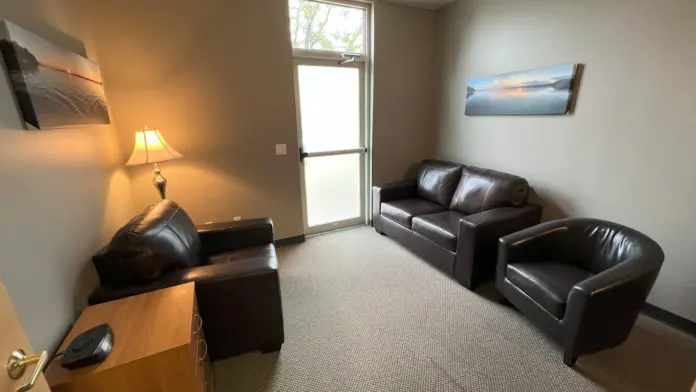
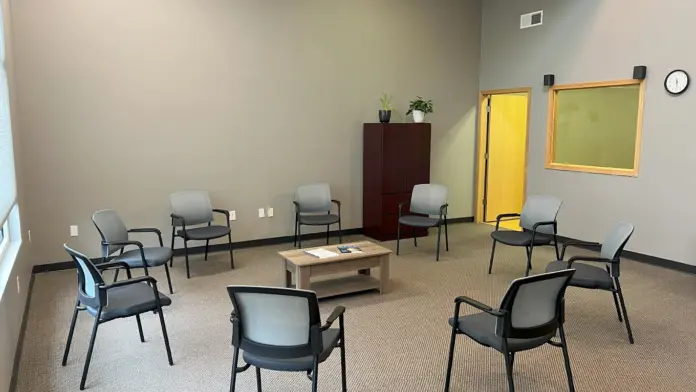
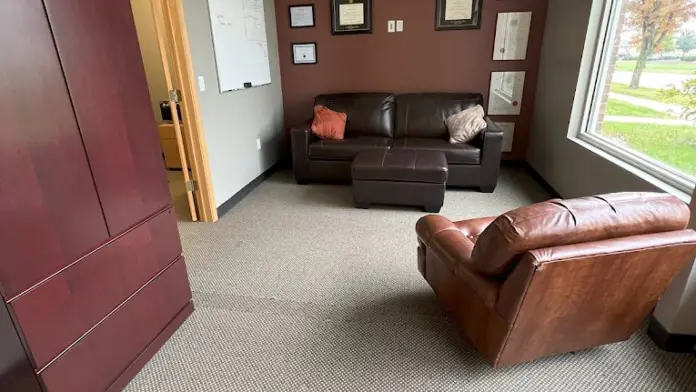
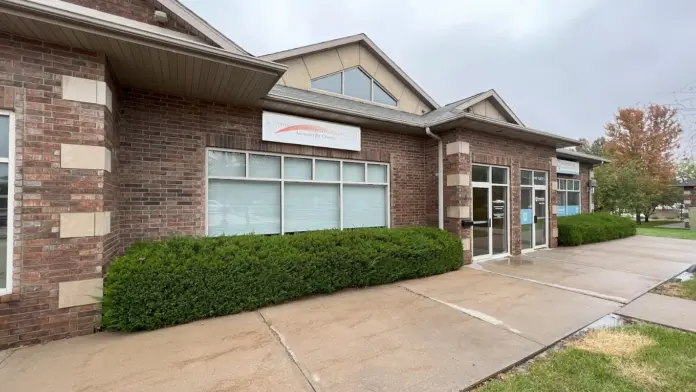
Accepted Insurance
Other Forms of Payment
Self-pay involves paying for treatment out of your own pocket. You can use savings or credit, get a personal loan, or receive help from family and friends to fund your treatment. If you don't have insurance or your insurance plan doesn't cover a specific program, self-pay can help ensure you still get the care you need.
Medicaid is a state based program that helps lower-income individuals and families pay for healthcare. Medicaid covers addiction treatment so those enrolled can use their coverage to pay for rehab. When a program accepts Medicaid the client often pays very little or nothing out of their own pocket.
Addiction Treatments
Levels of Care
Rehab aftercare programs support clients' reintegration into their home, workplace, and community following inpatient and residential treatment. They also promote long-term recovery for clients who may no longer be receiving outpatient treatment. Rehab aftercare services encompass a wide range of modalities and often include various medical, mental health, and social service programs. Case managers and care teams develop clients' customized service plans based on the client's evolving needs and recovery goals.
Many rehabs base their treatment models on 12 step programs, which are often considered a gold standard in addiction recovery. 12 step recovery prioritizes participants' spiritual development as a means to heal the emotional and psychological wounds that have contributed to the addiction. Participants engage in regular, peer-led group meetings, which are free, anonymous, and accessible 24 hours per day, 365 days a year in most communities. Though these programs are spiritually-grounded, religious affiliation isn't required.
Outpatient rehab programs are designed to support clients who are exiting inpatient treatment and for those who prefer to remain in their own homes during active recovery. Clients in outpatient care typically integrate treatment into their ordinary daily routine, including work and school schedules. Evening, night, and weekend therapy sessions, recovery training courses, and other outpatient services are widely available to accommodate clients' needs. Many outpatient rehabs also offer medication assisted treatment (MAT), including medication induction and maintenance.
Intensive outpatient programs (IOP) offer high-level care for clients in early recovery or who are at an increased risk of relapse. Clients may also enroll in an IOP immediately following detox, enabling them to continue to work and to live at home. Clients attend multiple outpatient treatment sessions for a minimum of nine hours per week. Many intensive outpatient rehabs provide a variety of services, including psychotherapy, recovery education, and medication assisted treatment (MAT).
Treatments
 Opioid Addiction
Drug rehab in Iowa is available in many formats. A variety of inpatient and outpatient options provide programs that are tailored to individual needs, making recovery possible for everyone.
Substance abuse treatment is available in Iowa at drug and alcohol rehab facilities. Offering various levels of care, you can typically find an outpatient or inpatient program suited to your needs. Treatment involves evidence-based therapies and forms of counseling to develop healthy coping skills while overcoming addiction. With a focus on individualized treatment plans and recovery support, these programs aim to assist individuals in achieving sustainable sobriety and improved overall well-being.
When an individual cannot control their alcohol use despite negative health, social, or occupational consequences, this is known as alcohol use disorder (AUD). They may experience physical withdrawal symptoms if they stop drinking. To successfully maintain sobriety, professional help is often necessary. Alcohol rehab in Iowa provides the crucial evidence-based therapies, support groups, and family involvement that make it possible to overcome alcohol addiction.
Programs
Adult rehab programs include therapies tailored to each client's specific needs, goals, and recovery progress. They are tailored to the specific challenges adult clients may face, including family and work pressures and commitments. From inpatient and residential treatment to various levels of outpatient services, there are many options available. Some facilities also help adults work through co-occurring conditions, like anxiety, that can accompany addiction.
Clinical Services
People in substance use disorder treatment in Iowa find group therapy helps them benefit from shared experiences, gain new insights into the triggers of addiction, and learn new coping strategies. Group therapy promotes accountability and helps raise your motivation to seek sobriety and achieve sustainable recovery.
Individual therapy sessions offer you a personalized approach that involves an in depth exploration of your life experiences and patterns of substance use disorder. This helps your therapist identify harmful behaviors and thoughts and helps you recognize them so you have a deeper understanding of addiction and make positive changes in your life.
During family therapy in Iowa, therapists focus on the collective healing of all members of the family unit who were impacted by addiction. Therapists guide families in understanding the effect addiction has and develop healthy communication practices. By working together, families can help support their loved ones recovery.
Amenities
-
 Residential Setting
 -
 Private Rooms
Staff

Dan Tallman, LISW,CADC, SAP, CFMHE
Executive Director
Rehab.com regularly reviews this listing for accuracy but changes may occur between updates. For the most up-to-date information, please contact Acceptance Recovery Counseling.
Contact Information


2441 Coral Court 4
Coralville, IA 52241
Sponsored Helpline


